Iran-Israel09 December, 20252 min read
United States Deports 55 Iranian Migrants Under Trump-Era Immigration Rules
This article is an automated aggregation of coverage from news outlets. Our editorials offer in-depth analysis curated by the NewsCord team.
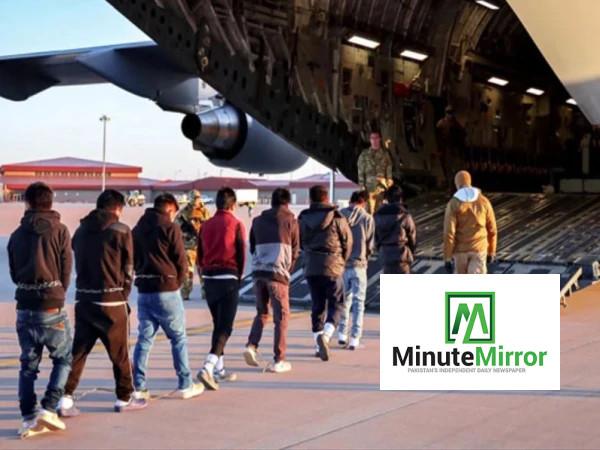
Chartered flight of 55 Iranians departed Mesa, Arizona, routed through Cairo and Kuwait to Tehran Deportations carried out under Trump-era stricter repatriation and immigration policies

9 outlets told this the same way.
Outlets did split on U.S. Intercepts Iran Message Activating Sleeper Cells After U.S.-Israel Strike Kills Khamenei →
U.S.-Iran deportations
U.S. authorities have deported a group of 55 Iranian nationals under immigration rules implemented during the Trump administration, which Iranian officials say represents a second documented mass removal in recent months.
“The US has deported 55 Iranian nationals, a move Tehran called ‘unfair’ and ‘politically motivated.’”
Iranian officials said the group 'returned to Iran after completing administrative and legal procedures via Iran's Interests Section in Washington,' and Tehran portrayed the moves as part of a hardline U.S. immigration stance.
U.S. agencies have not publicly confirmed specific flight details, with officials such as U.S. Immigration and Customs Enforcement declining to confirm the flight and noting that removal flights occur routinely.
The deportations come amid broader tensions between Washington and Tehran, and Iranian media and officials emphasized that consular channels were used for the returns.
Deportation voluntariness claims
Iranian officials and state-linked outlets framed the deportations as either voluntary or as resulting from immigration-law violations. The Associated Press quoted Iran's foreign ministry citing Mojtaba Shasti Karimi saying the returnees had "announced their willingness for return," and Iranian spokespeople and judiciary-linked outlets echoed that some detainees chose to return amid what Tehran calls discriminatory U.S. policies. At the same time, other reporting noted conflicting accounts about voluntariness - one detainee told the BBC they feared being sent back - suggesting not all departures were unequivocally voluntary.
Deportees and safety concerns
Human-rights and activist groups cited in Western and regional reporting warned the deportees could face danger on return amid an intensified crackdown in Iran. Several sources pointed to recent prosecutions and a rise in executions. Activists urged concern for families and called for international cooperation to protect asylum seekers.
“Iranian activists warned the deportees could face danger at home amid a recent crackdown on intellectuals and a rise in executions.”
Iranian officials responded by stressing a legal rationale, saying repatriations were for immigration breaches or criminal reasons. U.S. officials largely emphasized routine enforcement and did not publicly confirm the specific flight.
U.S. deportation reporting
Reporting highlights procedural opacity and a potential policy shift. U.S. agencies such as ICE and DHS declined to publicly confirm the flight and noted that removal flights occur daily.
Iran’s account would, if confirmed, represent a break from a longstanding U.S. practice of accepting Iranians who fled persecution since the 1979 revolution. Some outlets say this deportation follows a larger September round of nearly 400 people, and Washington is reportedly preparing to return potentially hundreds more under Trump-era policies.

Deportations and diplomatic fallout
Observers and regional commentators warn the deportations are likely to further strain already tense U.S.–Iran relations, linking them to diplomatic rows such as visa denials for sports delegations and broader security frictions earlier in the year. Some outlets, including SSBCrack News and Spectrum News, place the removals in the context of recent U.S. strikes and report possible plans to return hundreds more.
“Tehran called the detainees—held in the US in recent months—will be returned safely in the coming days and framed the action as part of Washington’s hardline stance.”
Iranian outlets emphasize domestic safeguards and say transit treatment has been humane. Coverage differs in emphasis, with some treating the event as immigration enforcement, others as an example of discrimination, and still others as another lever in an expanding geopolitical rivalry.