Full story
Sanctions Take Effect
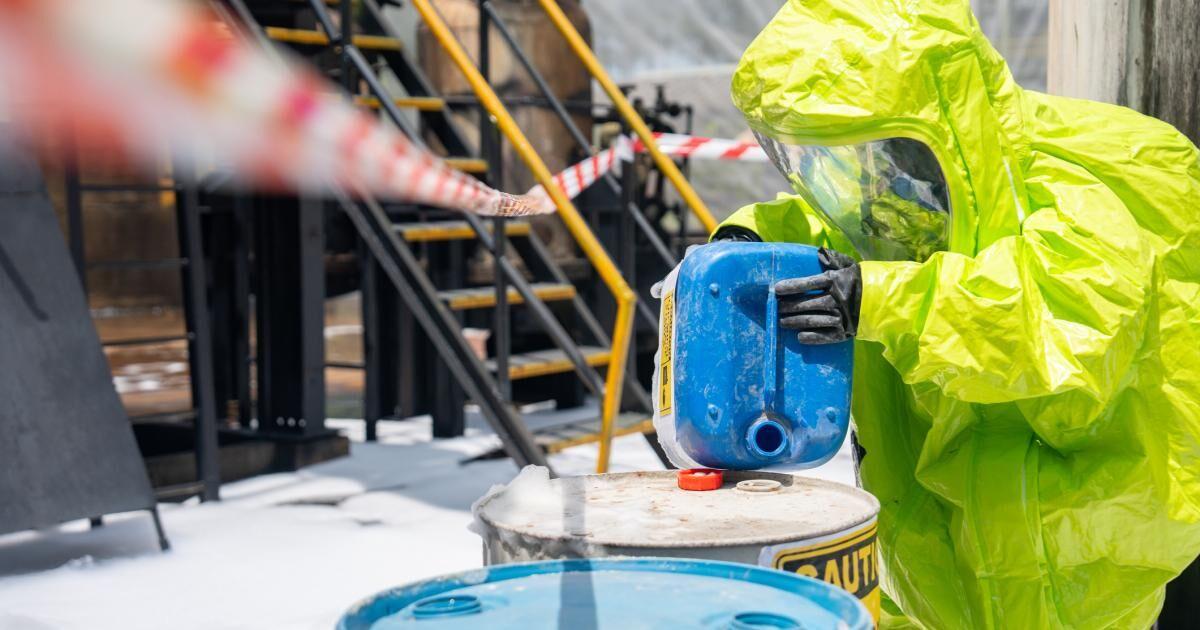
The United States imposed additional sanctions on Sudan over accusations that its army used chemical weapons in the conflict with the United Arab Emirates-backed Rapid Support Forces (RSF), and Sudan rejected the measures as based on “false claims” and politically motivated.
In a statement, Sudan’s Foreign Ministry urged the US to follow established international legal procedures and honor its bilateral obligations by presenting any evidence supporting the allegations, while also reiterating its longstanding denial of the chemical weapons allegations.
The US announced that the additional sanctions would take effect on Monday July 20, with restrictions including economic, financial and trade measures that require the US to oppose international loans as well as financial and technical assistance to Sudan, while exempting core food assistance and urgent humanitarian aid.
The Arab Weekly said the US sanctions targeting Khartoum entered into force on Monday after Washington accused Sudan’s government of failing to provide sufficient assurances that it had complied with international obligations banning chemical weapons, reopening a dispute as efforts to end the war continued.
Khartoum Denies, US Cites
Sudan’s Foreign Ministry said the accusations lack any basis and are attributed to “unknown sources,” adding that Sudan had fulfilled its obligations as a member of the Organisation for the Prohibition of Chemical Weapons.
The Arab Weekly reported that the latest sanctions include restrictions on exports of most US goods and technology to Sudan, limits on access to financial support from international institutions, and enhanced scrutiny of products that could have military or security uses, while humanitarian assistance and food aid would remain exempt.

The US administration said Sudan failed to meet conditions set under the Chemical Weapons Convention during a three-month grace period, and the sanctions were expected to remain in place for at least one year unless Sudan satisfies the legal requirements for their removal.
The Arab Weekly also said the chemical weapons dispute returned to the spotlight following reports from northern Kordofan, where residents and figures linked to RSF alleged that army aircraft dropped weapons emitting unusual smoke and fumes, and that the claims have not been independently verified.
War Context and Fallout
The sanctions arrived as Sudan’s war shows no sign of ending despite repeated international mediation efforts, with the conflict erupting in April 2023 after tensions between army chief Abdel Fattah al-Burhan and RSF commander Mohamed Hamdan Dagalo, known as Hemedti, over plans to integrate the RSF into the regular army.
“The Rapid Support Forces-aligned Sudan Founding Alliance (Tasees) has accused the Sudanese Armed Forces (SAF) of using internationally banned chemical weapons during an air strike on Umm Garfa in North Kordofan, killing 10 civilians and injuring 18 others”
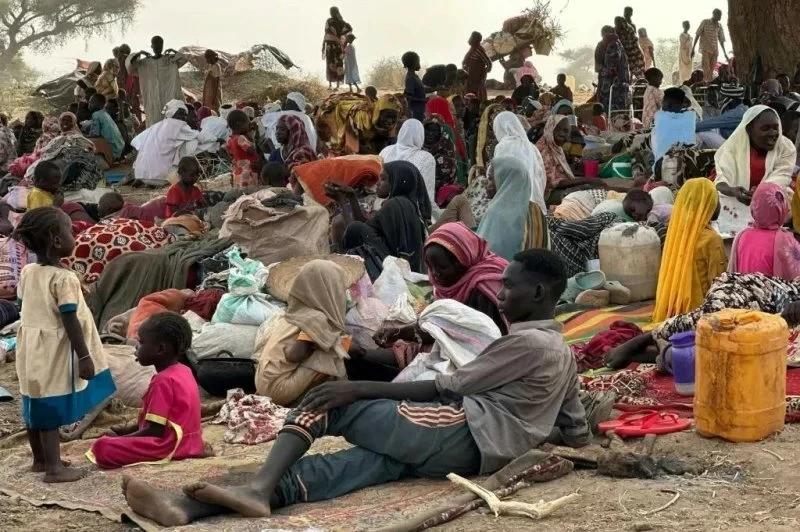
The Arab Weekly said the fighting has killed more than 20,000 people according to UN and local estimates, while millions have been displaced inside Sudan and across its borders, and the United Nations described Sudan’s conflict as the world’s largest humanitarian crisis with millions facing acute food insecurity.
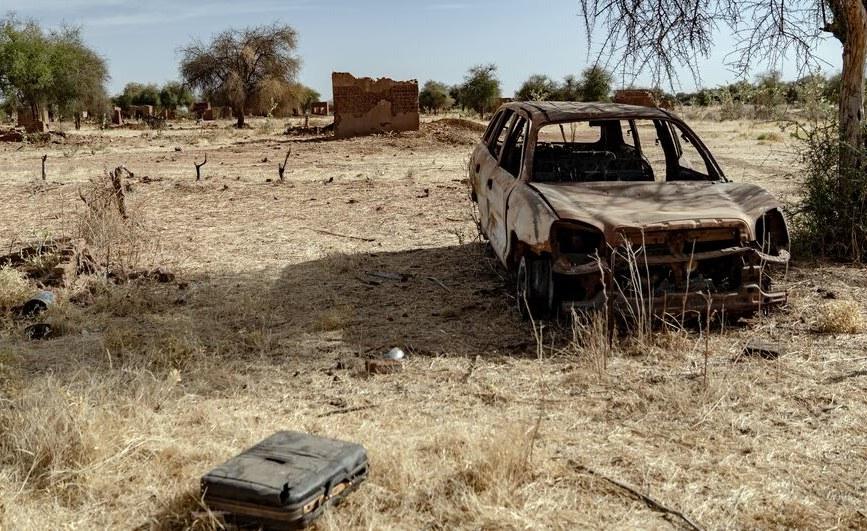
In a separate account of the ground situation, جريدة القدس reported that local sources said 13 civilian deaths occurred in a violent attack carried out by the RSF on the village of Al-Muslimiya in North Kordofan, and that Sudanese army reinforcements later regained control and secured the village.
Dabanga Radio TV Online reported that the Rapid Support Forces-aligned Sudan Founding Alliance (Tasees) accused the Sudanese Armed Forces of using internationally banned chemical weapons during an air strike on Umm Garfa in North Kordofan, saying the bombardment killed 10 civilians and injured 18 others, while Radio Dabanga could not independently verify the claims.