Ukraine War29 December, 20252 min read
United States Offers Ukraine 15-Year Security Guarantee
This article is an automated aggregation of coverage from news outlets. Our editorials offer in-depth analysis curated by the NewsCord team.
United States offers Ukraine a 15-year security guarantee as part of a proposed peace plan Territorial disputes between Russia and Ukraine remain unresolved and block a negotiated peace agreement

5 outlets told this the same way.
Ukraine security guarantee talks
U.S. officials reportedly offered Ukraine a 15-year security guarantee as part of a proposed peace plan. President Volodymyr Zelensky discussed the offer publicly and said he would prefer a U.S. commitment of up to 50 years to better deter future Russian attempts to seize Ukrainian territory.
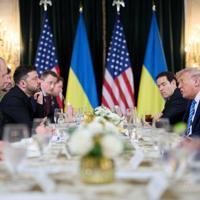
“President Donald Trump and Ukraine’s Volodymyr Zelensky met at Mar-a-Lago and said talks on a US-backed peace plan for Ukraine are closer than ever, though ‘one or two very thorny issues’ remain.”
Leaders who met at Mar-a-Lago described diplomatic progress as fast-moving, though one source said fuller reporting on the negotiations is unavailable. Separate fighting continued in Kyiv during the same period, with Russian strikes hitting civilian sites.

Trump-Zelensky security talks
At Mar-a-Lago, both leaders presented an optimistic public frame. Trump said security-guarantee talks were "close to 95%" done. Zelensky described a 20-point draft plan as about "90% agreed," and added that U.S.-Ukraine guarantees were "100% agreed" and that U.S.-Europe-Ukraine guarantees were "almost agreed."
The Evening Standard reports those public percentages and frames the meeting as part of a year-long effort by Trump to secure a ceasefire. The Globe and Mail supplies the detail that the U.S. offer under discussion would be for 15 years and that Zelensky sought a longer commitment. El Mundo’s available snippet does not add corroboration.
London diplomacy and Donbas
London coverage focuses on substantive conditions and next-step diplomacy. Leaders held a conference call with NATO chief Mark Rutte and UK Labour leader Sir Keir Starmer. They agreed to host further discussions in January with European leaders and a Ukrainian delegation, possibly in Washington.
“The leaders held a conference call with NATO chief Mark Rutte and European figures including UK Labour leader Sir Keir Starmer, and agreed to host further discussions in January with European leaders and a Ukrainian delegation, possibly in Washington.”
The coverage stresses a remaining complex set of thorny issues, especially arrangements for the Donbas. Proposals discussed include a demilitarised or free-trade zone and international monitoring of withdrawals. The Globe and Mail’s snippet does not list these diplomatic follow-ups or Donbas proposals, and El Mundo’s available note is silent on specifics.
Coverage of security negotiations
Reporting gaps and ambiguities remain. The Globe and London pieces together suggest substantial progress toward a U.S.-backed security guarantee and an unfolding diplomatic timetable, but they differ in emphasis and in specific details reported. For example, the London piece gives percentage measures of agreement and enumerates Donbas options and parliamentary or referendum conditions.
By contrast, the Globe singles out a 15-year offer and President Zelensky’s preference for a 50-year arrangement, and also notes contemporaneous strikes in Kyiv. The El Mundo snippet explicitly indicates a lack of full text, so it cannot corroborate either narrative.

That omission is itself a reporting difference and creates unavoidable ambiguity about fuller international coverage. Readers should treat the snippets as partial reporting and expect that fuller articles could reconcile specifics.