South America23 November, 20252 min read
United States Prepares Covert Operations to Oust Maduro
This article is an automated aggregation of coverage from news outlets. Our editorials offer in-depth analysis curated by the NewsCord team.
CIA plans covert operations to topple Nicolás Maduro's government FAA warned of heightened military activity; multiple international airlines suspended Venezuela flights
28 outlets told this the same way.
Outlets did split on Alexandre de Moraes Orders Eduardo Bolsonaro Arrest, Cancels Passport, Enforces Four-Year Sentence →
Possible U.S. actions in Venezuela
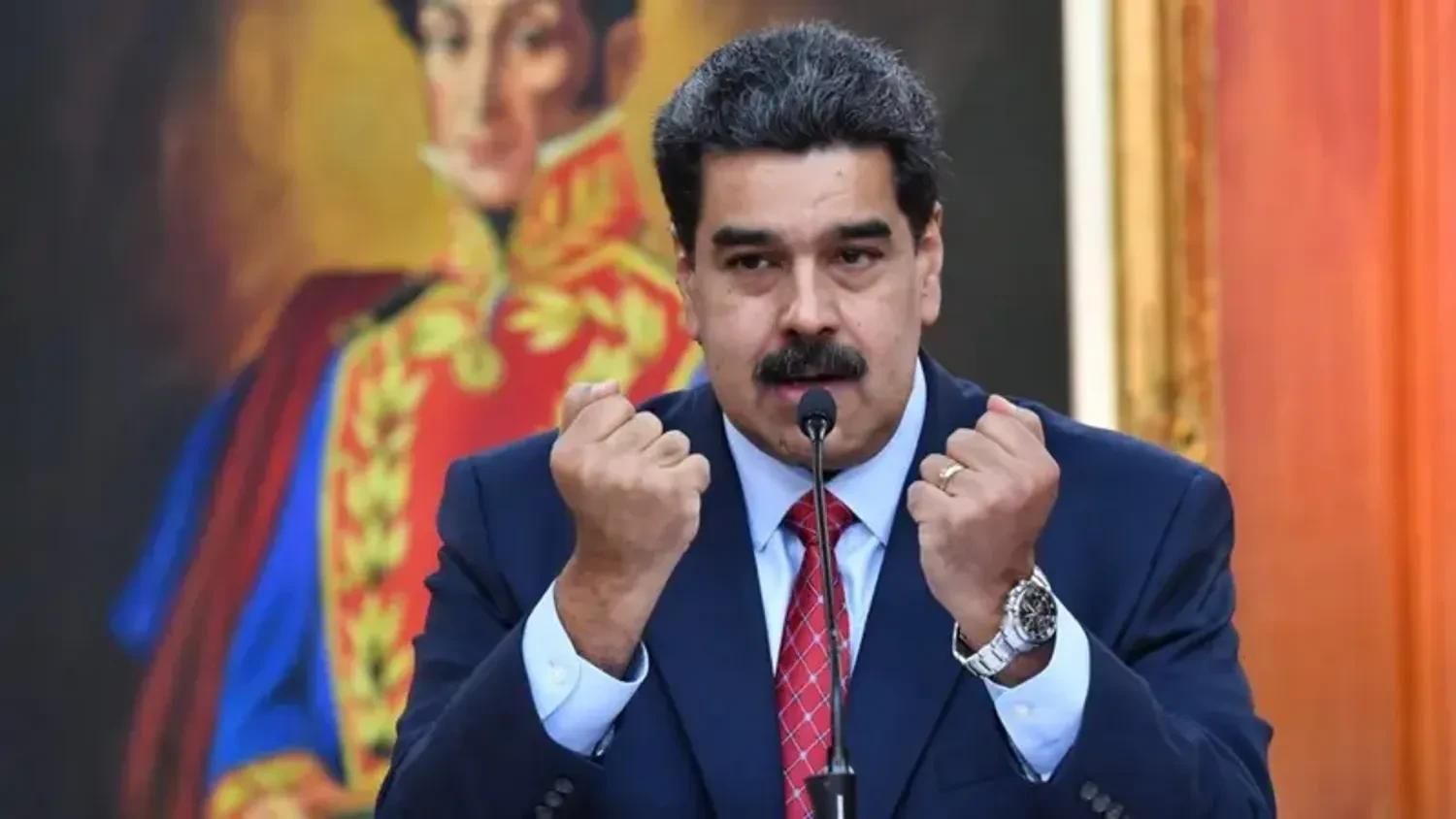
U.S. officials told Reuters that the Trump administration is weighing a new phase of actions against Nicolás Maduro’s government in Venezuela that could include covert operations aimed at removing him. Officials said the final scope and timing remain undecided. Several outlets report anonymous U.S. sources saying such operations could begin in the coming days and note that the Pentagon has moved forces to the Caribbean.
“US officials say the Trump administration is considering a new phase of actions against Nicolás Maduro’s government in Venezuela, potentially including covert operations aimed at removing him.”
The CIA and the Pentagon have declined to comment or referred questions to the White House. Reporting emphasizes both that covert activity has already been authorised and that uncertainty remains over a presidential decision.
US military activity near Caribbean
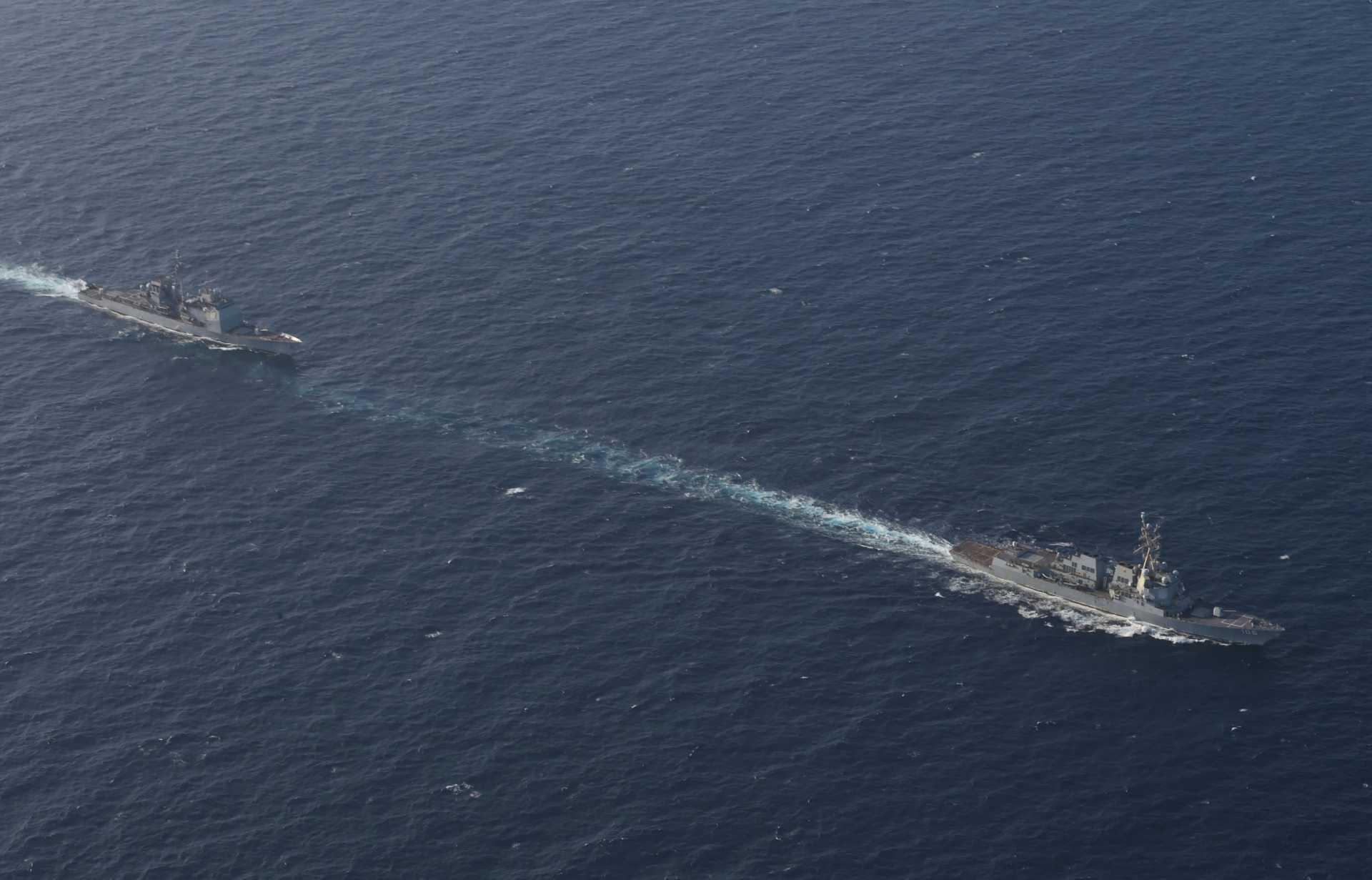
The administration’s preparations are paired with an expanded U.S. military presence in the Caribbean.
Reports cite deployments including the aircraft carrier USS Gerald R. Ford, at least eight other warships, F‑35 jets and roughly 15,000 troops in the region.
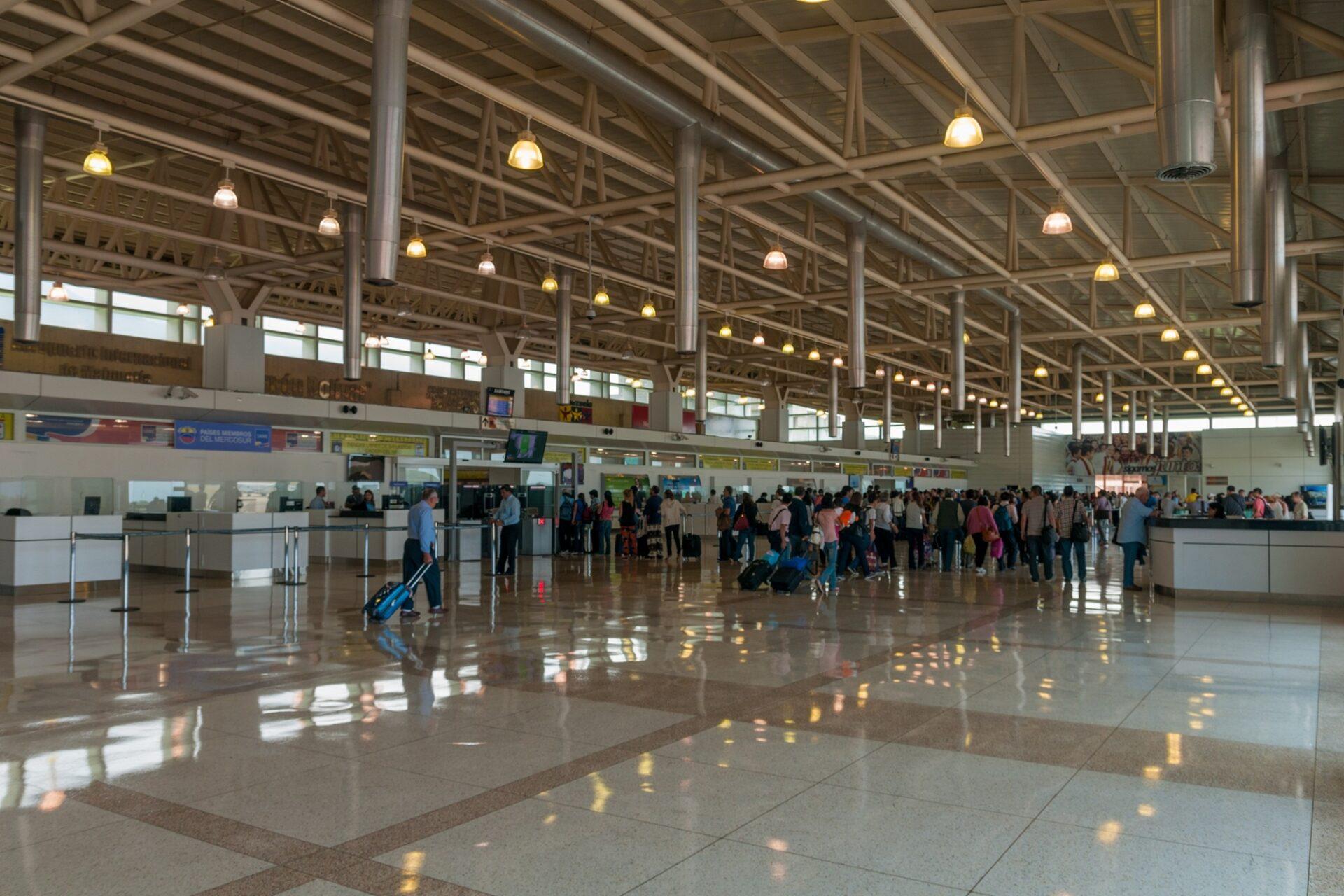
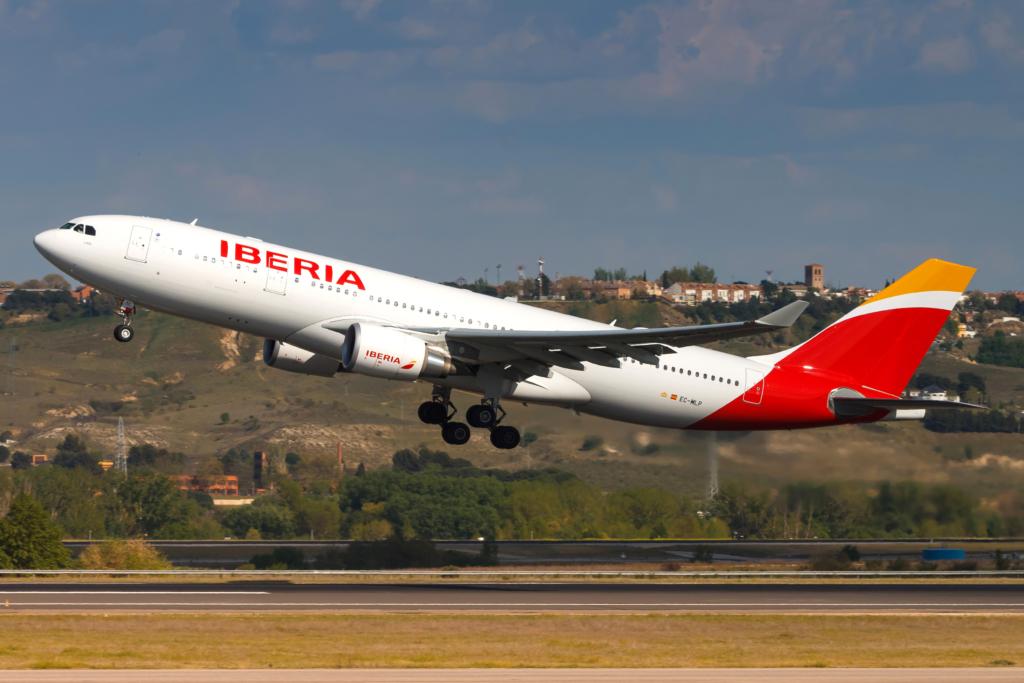
A 90‑day FAA warning and increased notices to airlines have affected overflight decisions.
Since September, U.S. forces have carried out strikes on suspected drug boats in the Caribbean and Pacific, with AFP and several outlets reporting at least 21 strikes that have killed at least 83 people.
These developments have raised questions about civilian harm and the legal rationale for such strikes.
U.S. pressure on Venezuela
U.S. officials say the administration plans to designate the Cartel de los Soles as a foreign terrorist organisation to expand legal options against entities tied to Venezuela. Several outlets note the designation comes despite no public evidence tying President Nicolás Maduro to the group, and Maduro denies the administration's accusation that he leads the cartel. The Telegraph and France 24 report that covert CIA operations have previously been authorised, linking legal, covert and kinetic measures into a broader pressure strategy.
“The article reports that the U.S. has placed a Venezuelan-linked group on the State Department's Foreign Terrorist Organization (FTO) list despite no public evidence tying President Nicolás Maduro to the group.”
Media reactions to strikes
Coverage diverges sharply on motive and legality. Al Jazeera (West Asian) is critical, calling the strikes extrajudicial, ineffective, and harmful to local fishermen, and questioning the U.S. 'war on drugs' rationale by noting that Venezuela is not a fentanyl producer and that cartels focus on exporting cocaine to Europe.
Common Dreams (Western alternative) frames the moves as politically motivated, emphasizing weak public support for invasion and suggesting the actions may serve as domestic distractions. Meanwhile, the South China Morning Post (Asian) situates Washington's rhetoric in a hemispheric tradition, comparing Trump's language to the Monroe Doctrine and stressing geopolitical assertion rather than humanitarian or strictly law-enforcement grounds.

Unclear U.S. action plans
Key uncertainties remain: outlets consistently report that the scope, timing and the president's final decision remain undecided. Outlets also report that Maduro has vowed to resist U.S. actions and insists Washington seeks to overthrow him. They say diplomatic contacts are unclear in their effect on planning.
“The Trump administration has accused Nicolás Maduro of leading the cartel, which he denies.”
Analysts warn the FTO designation and deployments could be used to justify narrow strikes on trafficking infrastructure rather than wide urban attacks. The possibility of covert action or more kinetic steps has prompted regional and international concern.