Ukraine War17 December, 20252 min read
United States Prepares New Sanctions on Russia's Oil Sector If Putin Rejects Peace Deal
This article is an automated aggregation of coverage from news outlets. Our editorials offer in-depth analysis curated by the NewsCord team.
United States preparing fresh sanctions on Russia's energy sector if Putin rejects peace deal Sanctions would target Russia's 'shadow fleet' of tankers and oil traders facilitating crude exports

8 outlets told this the same way.
US energy sanctions on Russia
The United States is preparing a new round of sanctions targeted at Russia’s energy sector that would be triggered if President Vladimir Putin rejects a proposed peace agreement with Ukraine. Multiple reports cite people familiar with the matter telling Bloomberg that the measures will focus on oil-related elements of Russia’s economy as part of an effort to ratchet up pressure on Moscow. Officials in Washington have been discussing the options with European partners as part of a broader push to press for an end to the war.
“The U.S. is preparing a new round of sanctions aimed at Russia’s energy sector — including its ‘shadow fleet’ of oil tankers and the traders who facilitate crude exports — to increase pressure if President Vladimir Putin rejects a peace deal with Ukraine, Bloomberg reports.”
Targeted Russia oil sanctions
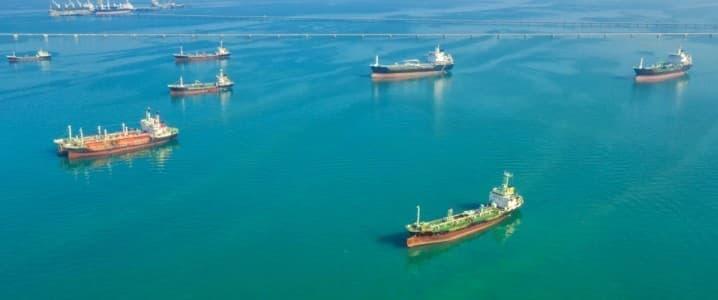
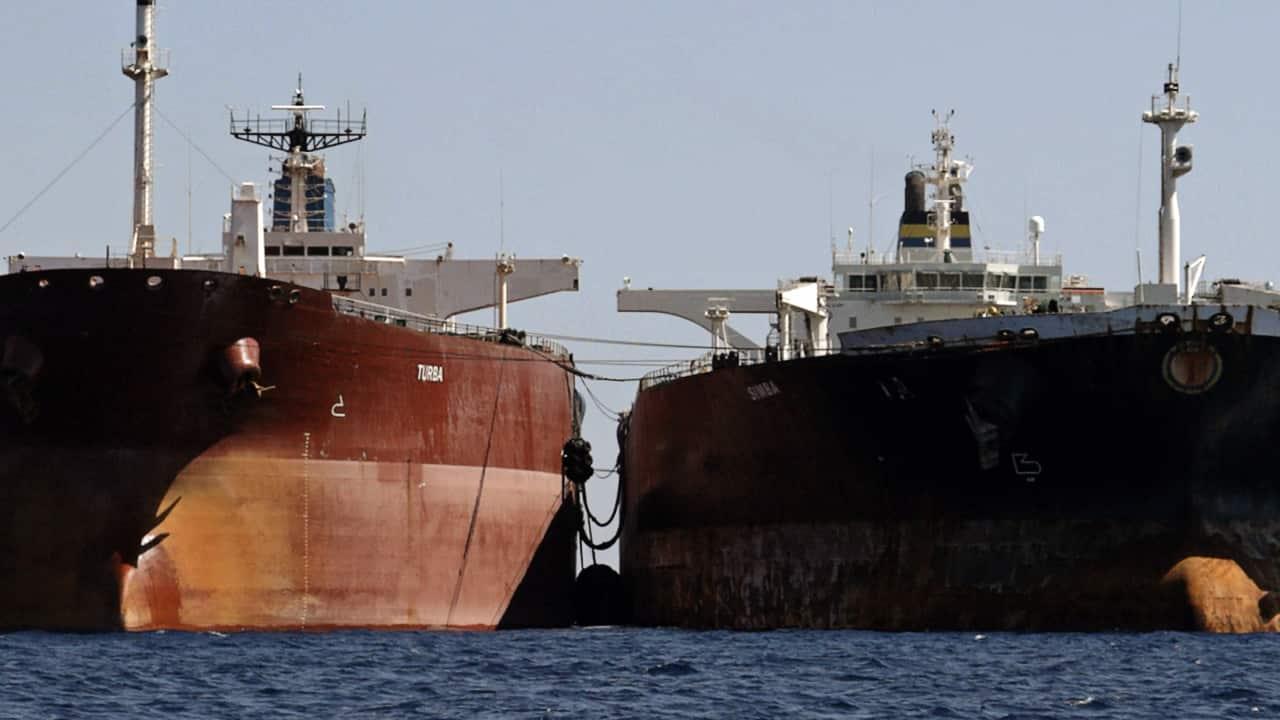
AL24 News cites Bloomberg reporting that the sanctions would target Russia's 'shadow fleet' of oil tankers and the traders who facilitate crude exports. Reporting indicates the prospective measures would be extensive and specific.
Sources told reporters the measures could be announced quickly but would still require the US president's sign-off. This framing stresses granular pressure points rather than only headline-level trade bans.
US-European sanctions coordination
Diplomatically, reports converge on the involvement of senior US officials coordinating with European counterparts. The South China Morning Post reports that US Treasury Secretary Scott Bessent briefed European ambassadors and highlighted Bessent's social-media message calling 'President Trump is the President of Peace'. AL24 News likewise reports that Bessent discussed the plans with European ambassadors.
“US Treasury Secretary Scott Bessent told European ambassadors this week about plans related to the war in Ukraine, saying on social media that ‘President Trump is the President of Peace’ and that the administration would prioritize ending the conflict.”
Both outlets emphasize that any sanctions package would need final approval from President Donald Trump. APA's report echoes the basic Bloomberg-sourced claim that the US is preparing the measures.
Sanctions and market effects
The prospective sanctions come amid mixed evidence about how effective past measures have been. The South China Morning Post reports that sanctions since Russia's 2022 invasion have not altered Vladimir Putin's calculus, while noting that measures targeting Moscow's oil sector pushed crude prices to their lowest since the invasion and worsened Russia's economic distress.
AL24 News notes market reaction to the latest reporting, saying news of the potential sanctions briefly pushed Brent crude toward $60 a barrel. Together these strands suggest that market effects are visible but larger political outcomes are harder to guarantee.
Uncertainty in Peace Talks
Significant uncertainties remain about peace talks, with reporting stressing key disagreements over territory, frozen Russian assets, and post-war security guarantees for Kyiv. Any new sanctions plan requires presidential sign-off, leaving the ultimate decision with President Trump. Coverage attributes the core claims to Bloomberg or to 'people familiar with the matter.'
“The announcement comes amid limited progress in talks on a possible peace framework, with key disagreements remaining over territory, frozen Russian assets and post-war security guarantees for Kyiv.”
Reports also note a lack of formal US confirmation in the public record at the time of reporting. These named policy targets, diplomatic outreach, and unresolved negotiation points frame a conditional US strategy contingent on both Putin's response and internal US approval processes.
