Iran-Israel15 January, 20262 min read
United States Pushes UN Security Council Into Emergency Session on Iran After Trump Backs Protests, Promises 'All Options'
United States imposed sanctions on senior Iranian officials over the protest crackdown President Trump publicly backed Iranian protesters and said 'all options' remain, including military action

14 outlets told this the same way.
Outlets did split on U.S. Intercepts Iran Message Activating Sleeper Cells After U.S.-Israel Strike Kills Khamenei →
UN emergency session on Iran
The United States forced an emergency United Nations Security Council session on Iran after President Trump publicly backed nationwide protests and U.S. envoys signalled that 'all options' remained available.
“On Jan. 16, 2026 the UN Security Council held an emergency meeting on Iran at the U.S. request. U.S. representative Mike Walz said President Trump supports the protests, insisted 'all options are on the table,' and rejected Iranian claims of foreign involvement, saying Tehran fears its own people.”
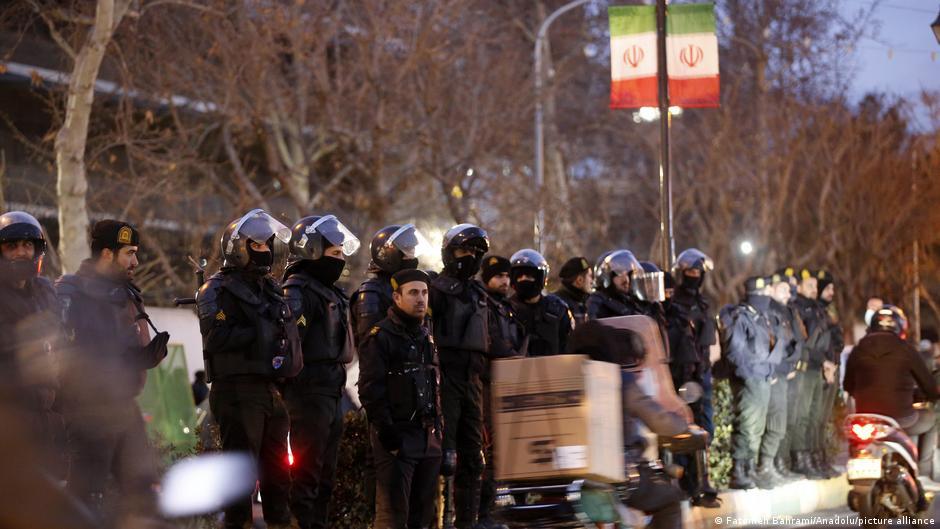
The meeting, held at Washington's request on Jan. 16, 2026, saw U.S. representatives express support for demonstrators while the UN secretary‑general urged restraint and diplomacy to avoid wider regional escalation.

Iran and Russia accused the U.S. of trying to legitimise interference, and the session included sharp exchanges, with Iran's deputy envoy warning any aggression would be met with a 'decisive, proportionate and lawful response.'
U.S. options on Iran
Behind the rhetoric of 'all options' lie competing U.S. responses: public warnings and the readiness to consider military strikes, alongside targeted sanctions and calls for accountability. Newsweek records President Trump saying the United States was 'locked and loaded' and floating a menu of options ranging from strikes on nuclear and missile programs to cyberattacks.
Il Sole 24 ORE and Axios report (via Il Sole) that the White House is weighing strikes but delaying any decision to avoid provoking major Iranian retaliation. At the same time, U.S. officials announced sanctions targeting Iranian security figures and alleged shadow-banking networks, emphasizing pressure and financial measures as active tools.

International responses to Iran
Iran pushed back hard at the Council, blaming 'foreign elements' and 'interference' for turning protests violent and accusing the U.S. of fomenting unrest, charges Moscow echoed by saying U.S. actions risk provoking chaos. Iranian officials phoned the UN secretary-general and demanded condemnation of what Tehran called 'illegal US interventions.'
“CNN reported fighters linked to Iraqi militias have crossed into Iran to help suppress the protests (estimates range from about 800 to nearly 5,000), and rights groups say the crackdown has killed more than 2,600 people.”
State and regional actors also accused various militant groups of being involved, with India Today citing CNN reporting that fighters linked to Iraqi militias crossed into Iran to help suppress protests. Iran's opponents and rights groups dispute or contextualize that claim differently.
Casualties and information blackout
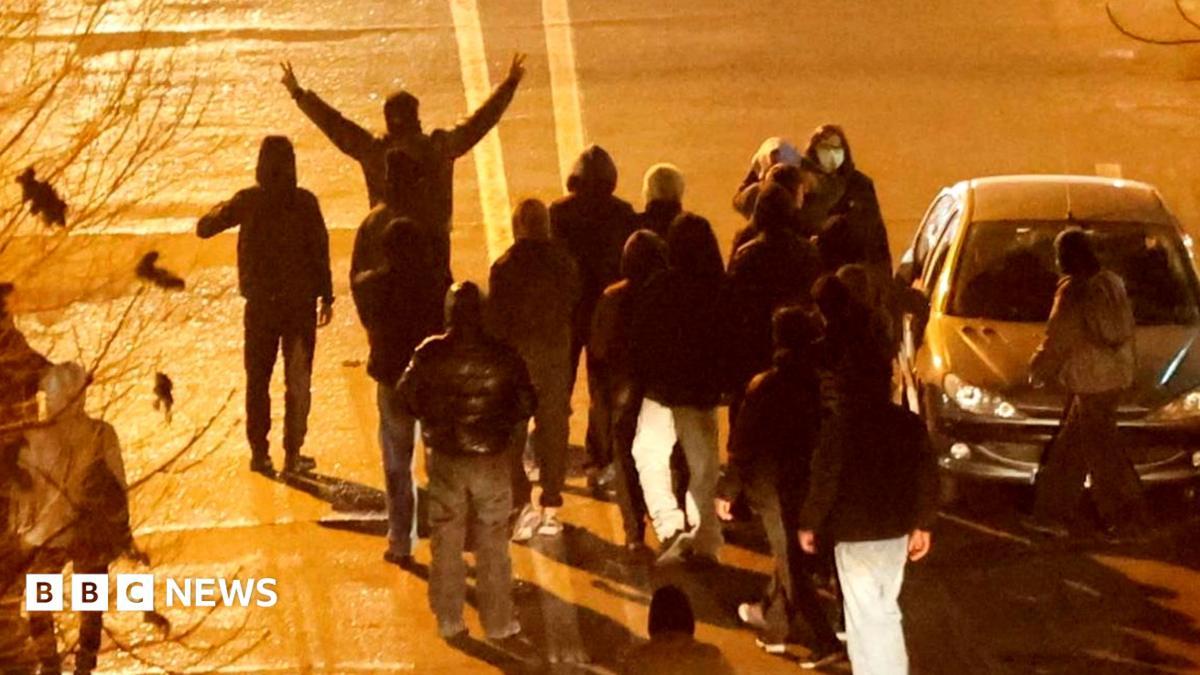
Outlets present the human toll and the information environment differently. Casualty tallies vary, and many outlets report a severe communications blackout. Rights groups cited by DW estimated more than 3,400 killed, while India Today reports more than 2,600 dead.
The Hindu records HRANA verification of 2,435 protesters' deaths and 153 government-affiliated fatalities. Reuters and The Guardian document internet shutdowns, travel disruptions, and students confined to campuses, which complicates independent verification.
International Reactions Overview
G7 and EU condemned the events and offered to mediate, as reported by DW and Il Sole 24 ORE. Turkey urged dialogue and warned against military intervention, according to Newsweek. Pakistan called for a peaceful resolution, per India Today.
“International reactions include offers to mediate from Switzerland, condemnations and threats of further restrictions from the G7 and EU, calls for diplomacy from Turkey and China...”
Russia accused the U.S. of fomenting 'color revolution' tactics, reported by fakti.bg. Overall coverage shows a split between calls for diplomacy and restraint and sharper accusations framing the U.S. as provoking instability.