Gaza Genocide17 November, 20252 min read
United States Pushes UN Security Council to Approve Gaza Stabilisation Force That References Palestinian State
UN to vote on US-drafted resolution for international Gaza stabilisation force referencing Palestinian statehood Plan gives Palestinian Authority a postwar role only after reforms, overseen by an international board
11 outlets told this the same way.
Outlets did split on Israel Marks Oct. 7 Anniversary With Strikes on Gaza, Netanyahu Faces Election After Nova Tribute →
UN Gaza stabilization plan
The United States pushed a U.N. Security Council resolution to create an international Stabilisation Force (ISF) for Gaza and to enshrine a conditional pathway to Palestinian self-determination.
“A US-drafted plan to send an international peacekeeping/stabilisation force into Gaza — building on Donald Trump’s 20‑point Gaza plan — won backing from a coalition including Qatar, Egypt, the UAE, Saudi Arabia, Indonesia, Pakistan, Jordan and Turkey.”
The U.S. plan builds on Donald Trump's 20-point Gaza plan and proposes a new "Board of Peace" to oversee Gaza under a UN mandate but outside the UN secretary-general's command.

The draft (UNSC 2803) was adopted 13-0 with Russia and China abstaining.
Several Muslim-majority states publicly backed the U.S. proposal while others expressed unease about its conditional statehood language and international oversight arrangements.
Proposed Gaza governance plan
A central and contentious element is a proposed temporary Board of Peace and a technocratic Palestinian administration. Reports say the board would be chaired or heavily influenced by the United States, with the Palestinian Authority set to return to govern Gaza only after extensive reforms. Critics warn the arrangement was drafted without Palestinian input and risks replacing Palestinian decision‑making with external control, which some describe as an international trusteeship to manage aid and reconstruction rather than enable Palestinian self‑determination.
Reactions to draft resolution
Hamas, other Gaza armed factions, and Palestinian officials have strongly rejected the draft resolution and the ISF concept. They argue it would cede governance, reconstruction and aid decision-making to foreign or supranational bodies and demand disarmament and limits on the 'right to resist'.
“Hamas and other Gaza armed factions strongly rejected the draft, saying it would cede decision‑making, governance and reconstruction to foreign or supranational bodies; they insisted humanitarian aid be managed by Palestinian institutions under UN supervision, rejected disarmament or limits on the 'right to resist,' and demanded mechanisms to hold Israel accountable for rights abuses.”
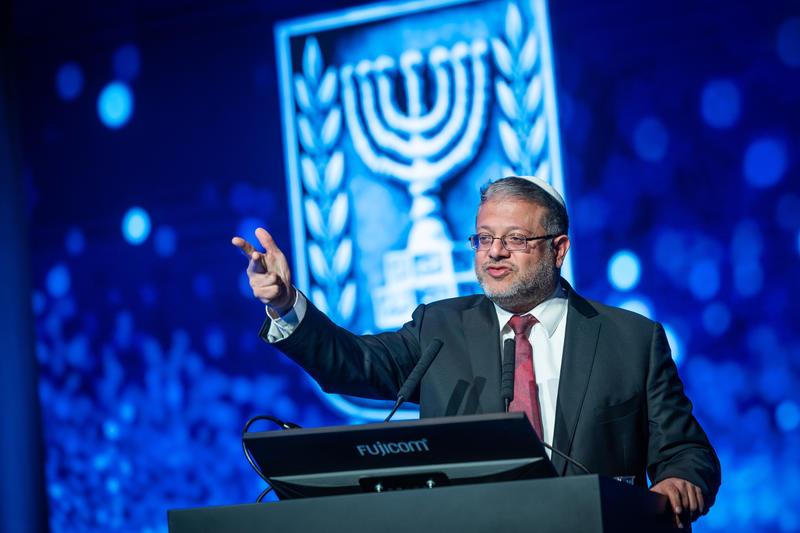
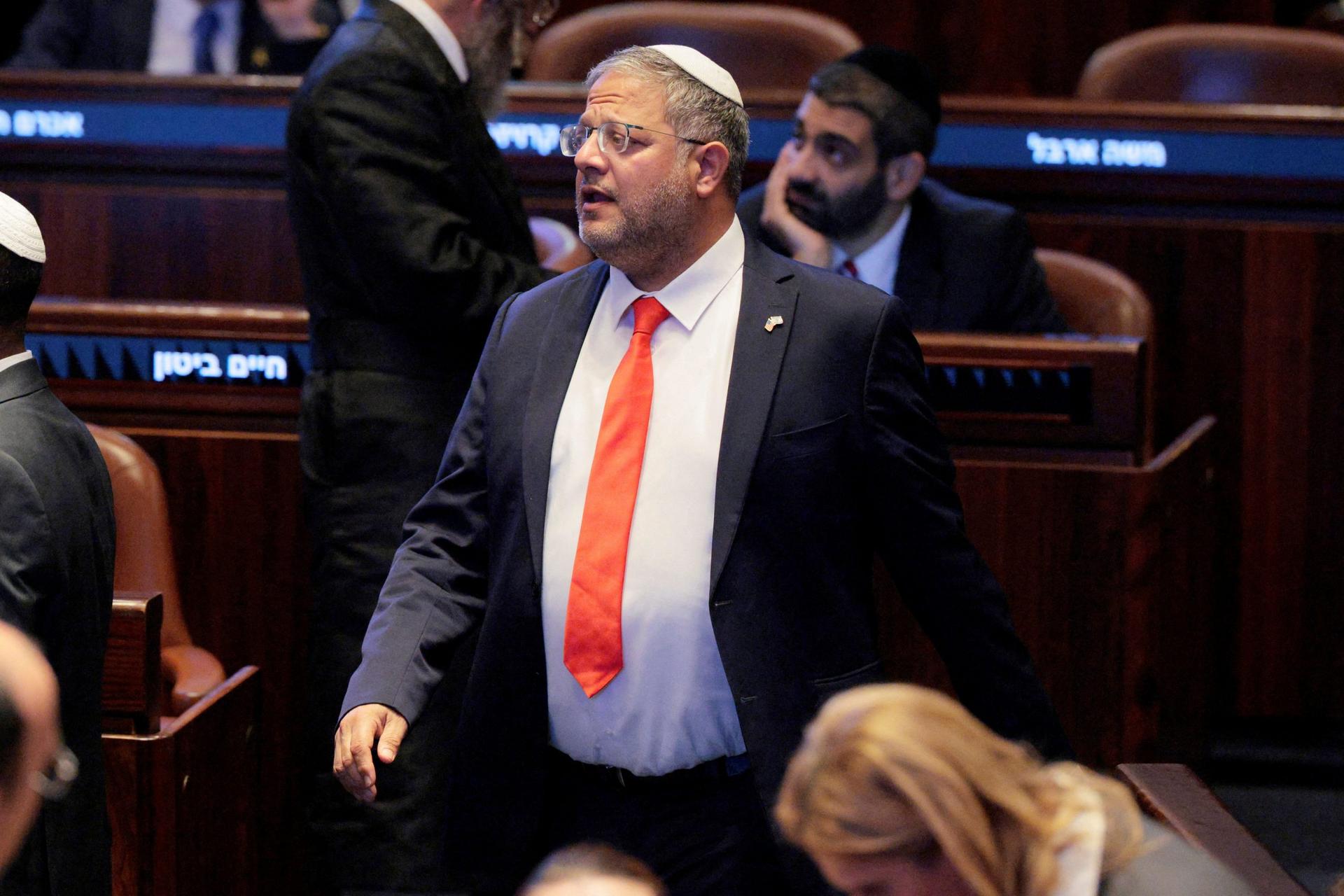
At the same time, Israel’s political leadership opposes any UN language creating a sovereign Palestinian state and has sought to block certain troop contributors, vetoing Turkey’s participation. Far-right Israeli figures have publicly called for violent reprisals against Palestinian Authority leaders if statehood language is recognised.
Gaza aid and accountability
Humanitarian and human-rights concerns thread through the debate. Palestinian factions demand that aid be managed by Palestinian institutions. Critics warn the plan could centralize control of assistance.
Outlets documenting abuses have described Israeli operations in Gaza in the strongest terms. Some sources explicitly characterize Israel's October 2023 offensive as 'genocidal' and catalogue deaths and allegations of torture, neglect, and other abuses in Israeli custody. That material shapes how those outlets evaluate the legitimacy of handing control to international bodies tied to the U.S. and Israel.
International reactions to U.S. plan
A coalition of Gulf and Muslim-majority states publicly supported the U.S.-drafted plan, while some regional partners said they could not provide troops. Russia and China abstained at the Security Council vote. Analysts say the U.S. text was amended to include aspirational language about a future Palestinian state to reassure Muslim and Arab states and to encourage troop contributions.
“The draft resolution (UNSC 2803) was adopted 13–0 with Russia and China abstaining.”
Many remain uneasy about the plan's conditionality and the sidelining of Palestinian voices. Observers also point to broader geopolitical stakes, including normalisation deals and regional alignments, that shape how countries weigh support for a U.S. blueprint.
