South America23 December, 20253 min read
United States Seizes 1.9 Million Barrels of Venezuelan Oil
This article is an automated aggregation of coverage from news outlets. Our editorials offer in-depth analysis curated by the NewsCord team.
United States seized approximately 1.9 million barrels of Venezuelan oil in December President Trump warned Nicolás Maduro not to 'play tough' and urged him to step down
6 outlets told this the same way.
Outlets did split on Brazil Police Kill Suspect After 13 Kindergarteners Held Hostage In Curitiba →
U.S. seizure of Venezuelan oil
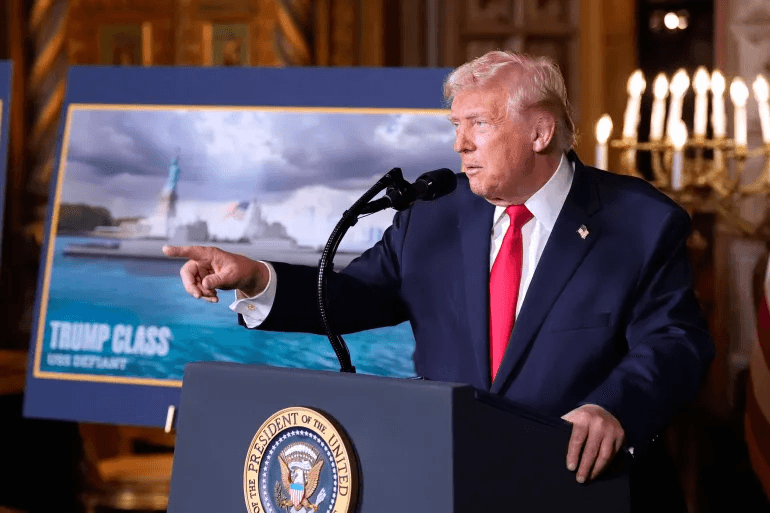
Multiple sources report U.S. forces have seized and now control nearly four million barrels of Venezuelan oil and two ships. Officials say the cargo could be sold, retained, or added to U.S. reserves. Al Jazeera states President Trump announced the United States will keep two seized ships and nearly four million barrels of Venezuelan oil.
“President Trump announced the United States will keep two seized ships and nearly 4 million barrels of Venezuelan oil — and said a third seized vessel might be added to U.S. reserves or sold — as part of an escalating campaign the administration says targets Venezuela’s oil sector and drug-trafficking networks.”
The Island.lk reports the Coast Guard pursued a third tanker after seizing two ships and nearly four million barrels of Venezuelan oil. Samaa TV says the U.S. confirmed it now controls nearly four million barrels of Venezuelan oil and two seized ships.

NewsBytes and Glasgow Times report the broader U.S. campaign and political framing around the seizures. These accounts frame the action as part of an escalating U.S. campaign targeting Venezuela’s oil sector and related maritime networks.
U.S. seizure rationale
U.S. officials have presented the seizures as part of an effort to disrupt a Venezuelan "dark fleet" and drug‑trafficking networks. Al Jazeera reports the administration characterizes the moves as targeting Venezuela’s oil sector and drug‑trafficking networks. The Island.lk notes the Coast Guard is pursuing a third tanker it calls part of that "dark fleet."
NewsBytes and samaa tv record U.S. statements that the strikes and interdictions were aimed at combating drug trafficking. U.S. officials, including quoted remarks attributed to Trump in The Island.lk, suggest the seized oil could be used or held in strategic reserves.

Venezuelan reactions to seizures
Caracas strongly rejected the seizures, called them 'piracy,' and denied any involvement in drug trafficking.
“Caracas, led by Nicolás Maduro, called the actions ‘piracy,’ denied involvement in drug trafficking, accused Washington of trying to overthrow its government to seize oil, and asked the U.N. Security Council to intervene — a request backed by Russia and China, which condemned U.S. actions.”
Venezuela asked the U.N. Security Council to intervene, a request backed by Russia and China.
Al Jazeera reported Caracas' claims and U.N. request, while samaa tv said Venezuela accused the United States of trying to seize its oil and described the vessel seizures as 'international piracy.'
NewsBytes recorded condemnations from Moscow and Beijing, and The Island.lk highlighted the diplomatic fallout accompanying the maritime operations.
Casualties and legality concerns
Multiple outlets report that U.S. strikes on vessels tied to the operation have reportedly killed more than 100 people. Al Jazeera says the strikes have reportedly killed over 100 people and adds that U.S. forces said they recently killed another suspect in an eastern Pacific strike. NewsBytes cites CNN reporting at least 105 people killed.
Samaa TV similarly references interdictions with more than 100 casualties and notes critics are questioning the strikes' legality. The Island.lk and other summaries highlight wider operational consequences of the campaign.

Oil blockade implications
Venezuela warned that the U.S. blockade and seizures could disrupt global oil and energy markets and harm vulnerable economies. U.S. officials said the seized assets might be sold or added to strategic reserves. Samaa TV quoted President Maduro’s warning that a U.S. blockade could disrupt global oil and energy markets.
“Venezuela requested a UN Security Council session (backed by Russia and China); Foreign Minister Yvan Gil relayed Maduro’s warning that a US blockade could disrupt global oil and energy markets.”
Al Jazeera echoed concerns that Caracas said a U.S. blockade would disrupt supplies. The Island.lk recorded Trump saying the assets might be kept or used in the strategic reserves. However, sources diverge on emphasis and explicit wording about motives and legality, leaving ambiguity about long-term policy outcomes and whether the operation will expand, such as pursuing a third tanker.
