USA16 December, 20252 min read
United States Sinks Three Alleged Drug Boats, Kills Eight in Eastern Pacific
U.S. strikes sank three vessels in the eastern Pacific, killing eight people. Strikes were directed by Defense Secretary Pete Hegseth under Joint Task Force Southern Spear.
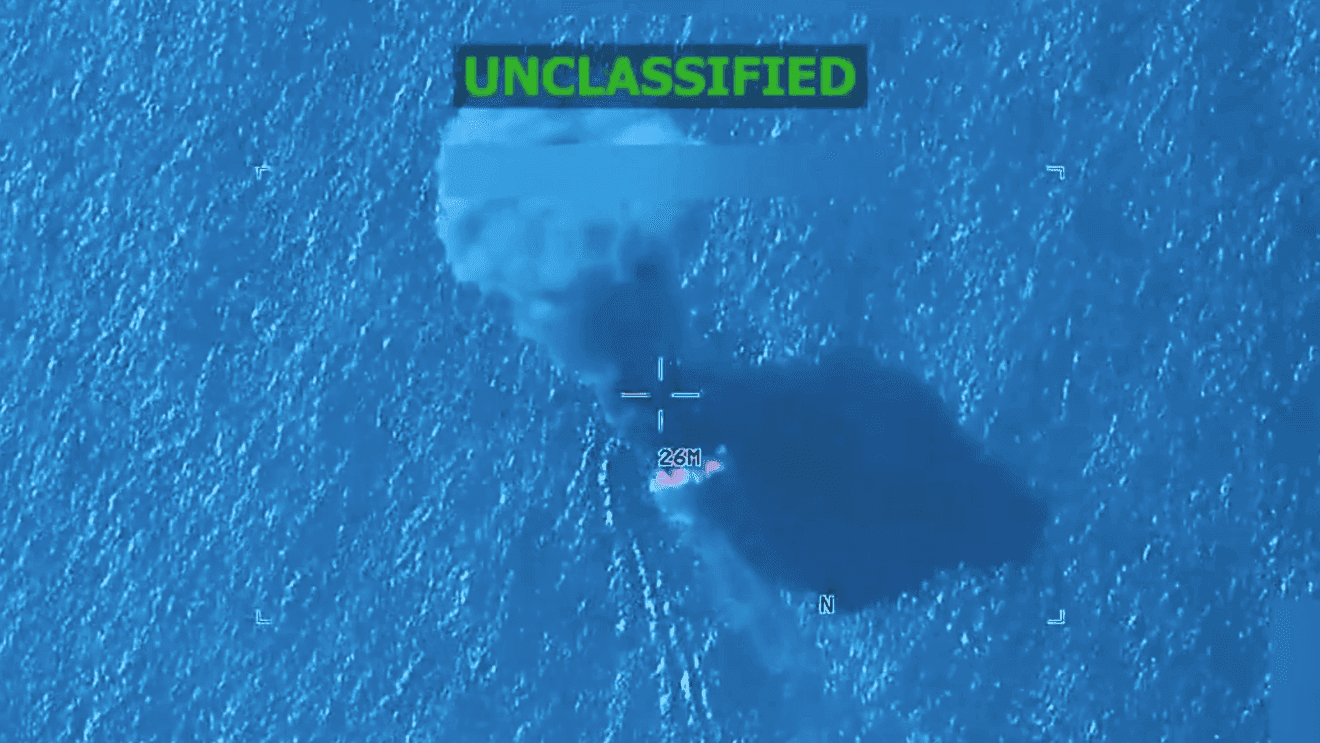
37 outlets told this the same way.
Outlets did split on Trump Interrupted by Protesters at San Antonio Rally for Ken Paxton →
U.S. strikes on three vessels
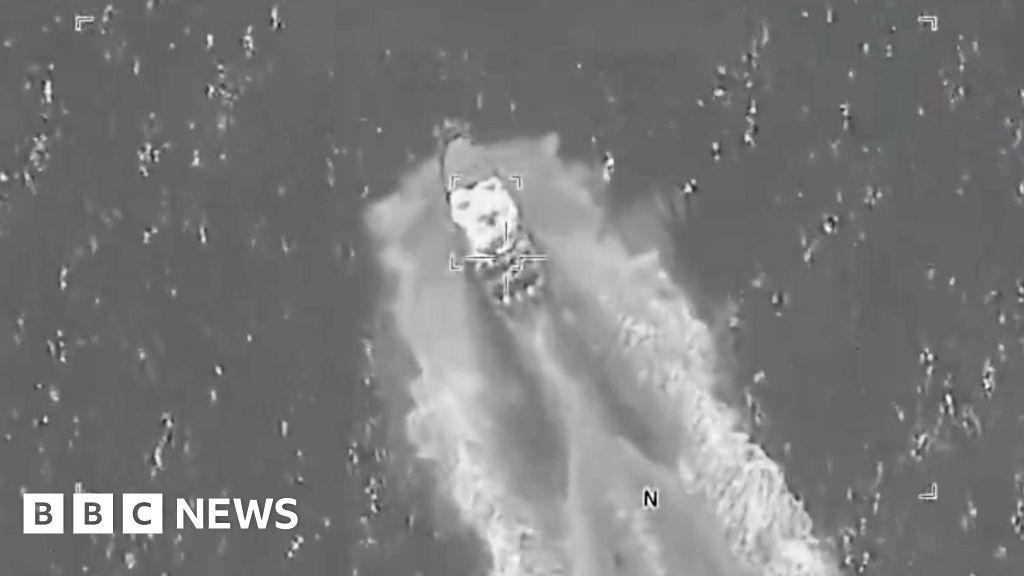
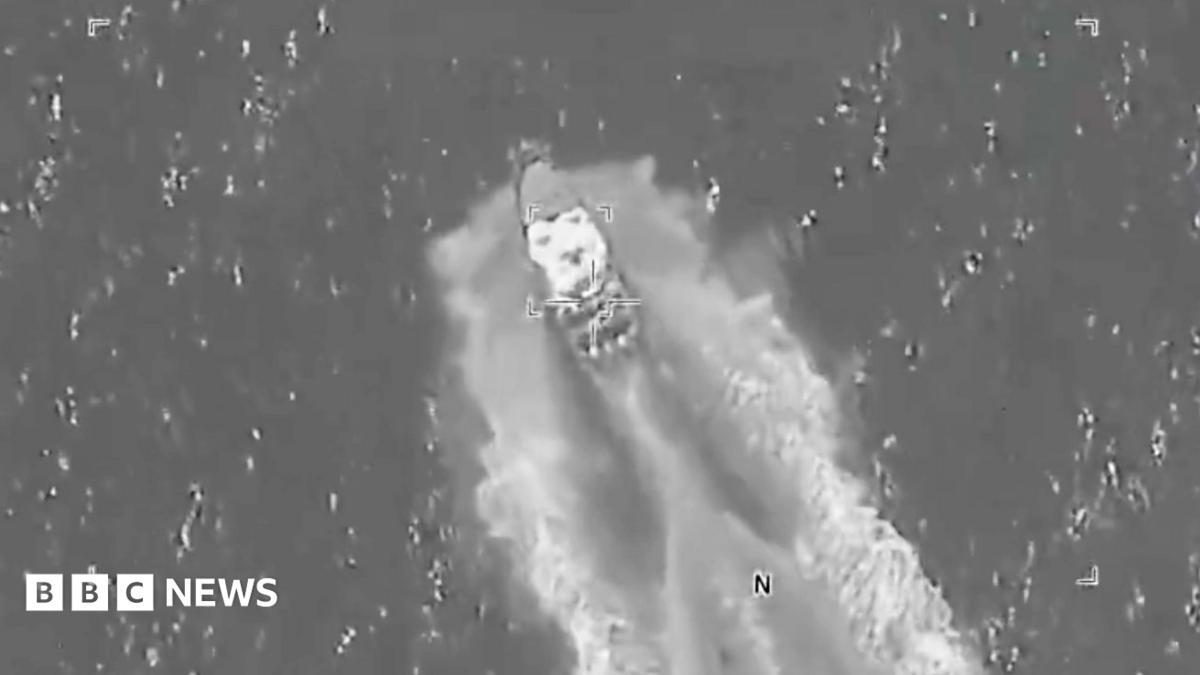
On Dec. 15, U.S. Southern Command (SOUTHCOM) announced that Joint Task Force Southern Spear carried out lethal strikes on three vessels in the eastern Pacific, killing eight people — three on the first boat, two on the second and three on the third — and posted video of the hits on social media.
“The US military carried out lethal strikes on three alleged drug-trafficking vessels in the eastern Pacific on Dec. 15, killing eight people, US Southern Command said.”
SOUTHCOM and U.S. officials said the targeted boats operated on known narcotics‑trafficking routes and were affiliated with U.S.‑designated terrorist groups, and said the strikes were conducted "at the direction" of Defense Secretary Pete Hegseth.

Multiple outlets reported the action as part of a broader anti‑trafficking effort and published the Pentagon's casualty breakdown and video.
Operation Southern Spear summary
Officials and many outlets placed the Dec. 15 action inside Operation Southern Spear, a campaign the administration says began in early September to disrupt maritime narcotics trafficking.
News organizations reporting on the campaign cite varying tallies: some say roughly 95 people and about 25-26 boats have been struck and destroyed, while others put the death toll at about 90 or reference more than 20 strikes.

Reports also note the campaign's linkage to a broader Trump-era push to treat cartels as combatants and to designate certain groups as terrorist organizations, which the administration uses to justify lethal military measures at sea.
Legal and political backlash
The strikes have prompted legal and political pushback. Human rights groups, Democratic lawmakers and U.N. officials have warned the operations may violate international law, and members of Congress demanded briefings, including all‑senators sessions, to get classified explanations.
“Legal experts have questioned whether the strikes comply with the international law of war; the Trump administration insists the attacks are legally justified.”
Critics cite a classified Justice Department opinion the administration reportedly uses to treat those killed as 'unlawful combatants' and justify lethal strikes without judicial review. Several outlets flagged a particularly controversial incident in which a follow-up strike reportedly hit survivors from an earlier attack, spurring allegations that some incidents could amount to war crimes.
U.S.-Venezuela maritime strikes
Observers frame the strikes within regional geopolitics. Several outlets link the boat-strike campaign to a broader U.S. pressure strategy on Venezuela, noting recent deployments of ships, drones and fighters, the seizure of a sanctioned oil tanker, and harsh rhetoric from Washington.
Venezuelan President Nicolás Maduro has denied trafficking allegations and accused the United States of seeking regime change. Reporting differs: some sources highlight the anti-narcotics rationale and U.S. insistence the strikes are lawful, while others underscore Venezuelan accusations and view the operations as serving broader strategic aims.
Transparency and reporting issues
Questions remain about transparency and some reporting errors in early coverage. Several outlets noted that the Pentagon released video but has not publicly produced evidence that the vessels were carrying narcotics.
“The Defense Department posted a video of a boat moving through the water before an explosion but offered no public evidence that the vessels were smuggling drugs.”
Others highlighted inconsistent references to the role or title of the official who authorized the operations, with some reports calling him 'Secretary of War' or 'Acting Secretary of the Army' instead of naming Defense Secretary Pete Hegseth. Lawmakers and rights groups continue to press for classified briefings and public accountability, while the administration defends the operations as lawful counter-narcotics actions.