
United States Strikes Iran, Triggering Iranian Attacks on Kuwait and Bahrain
Key Takeaways
- U.S. launched new strikes on Iran to keep the Strait of Hormuz open.
- Iran fired missiles at Kuwait and Bahrain in response.
- Trump said the ceasefire memorandum with Iran was effectively dead.
Strikes, ships, and ports
The United States launched fresh strikes on Iran on Wednesday to keep the Strait of Hormuz open to shipping, and the strikes triggered Iranian attacks on Kuwait and Bahrain, according to Philenews.
“Iran warns US will face 'extensive and sudden attack' - Breaking The News Home Markets Economy Business Politics World War/Terrorism Technology Crypto Sports Insights [](https://breakingthenews”
Philenews said the U.S. strikes were in response to Tuesday’s assault on three cargo ships transiting the strait, and it reported that the strikes cut power to some areas along Iran’s southern coast.

Philenews reported that among the locations hit were Bandar Abbas, Konarak, and Chabahar, and it said a maritime traffic control tower in Chabahar was struck while a firefighter was killed in a strike on the airport in the southeastern city of Iranshahr.
The same Philenews account said a U.S. strike also hit a railway bridge near the northern town of Aqqala, and it described Iran’s foreign ministry saying the U.S. strikes violated the memorandum of understanding by challenging a clause it said recognised Iran’s responsibility over shipping arrangements in the strait.
Threats and nuclear leverage
Iran’s Parliament’s National Security Commission spokesperson Ebrahim Rezaei warned that if the United States carries out another attack, Iran will change its nuclear policy, and Omid رادیو said Tehran is considering withdrawing from the Treaty on the Non-Proliferation of Nuclear Weapons (NPT).
Omid رادیو also said the spokesperson warned that Iran is considering potentially closing the Strait of Hormuz and the Bab el-Mandeb Strait, and it added that a proposal for Iran’s withdrawal from the NPT has been placed on the parliament’s agenda for review.
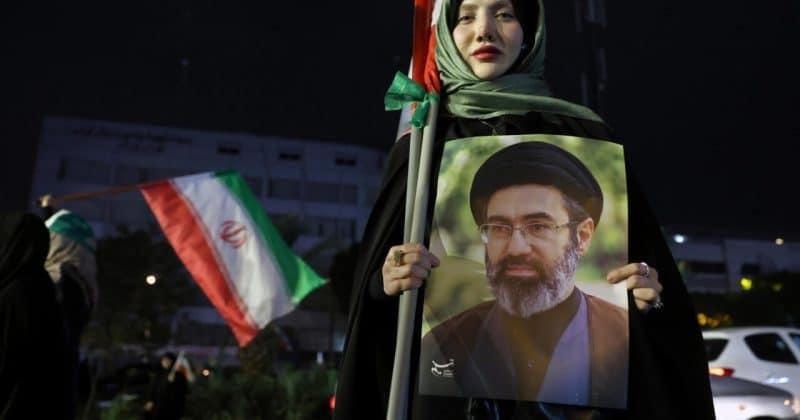
In Philenews, Iran’s chief negotiator Mohammad Baqer Qalibaf wrote on X, “If you strike, you will be struck back,” and it said he added that “The Strait of Hormuz will be reopened only under Iranian arrangements, not through U.S. threats.”
Philenews further reported that a spokesperson for parliament’s National Security Commission said options for retaliation included withdrawing from the NPT, changing Iran’s nuclear doctrine, and closing the Bab-el-Mandeb Strait at the mouth of the Red Sea.
Regional fallout and what’s next
Bahrain’s Ministry of Foreign Affairs strongly condemned Iran's attacks on Bahrain and Kuwait and urged Tehran to halt these attacks immediately, pursue a path of peace, and fully reopen the Strait of Hormuz without restrictions or charges, according to ایـران اینترنیشنل.
“The United States launched fresh strikes on Iran on Wednesday to keep the Strait of Hormuz open to shipping, triggering Iranian attacks on Kuwait and Bahrain and prompting President Donald Trump to suggest the ceasefire memorandum signed on June 17 was effectively dead”
The Bahrain statement said seven ballistic missiles were launched at dawn on Saturday toward the territories of the two countries and that they were successfully intercepted, while it stressed that security is not built with missiles and drones and that stability will not be preserved by planting mines.
Philenews said Trump suggested the ceasefire memorandum signed on June 17 was effectively dead, and it quoted him saying, “To me, I think it’s over. I don’t want to deal with them.”
Philenews also reported that Trump said he did not expect a full return to war, adding, “Anything that happens is going to be over very quickly and will only make it safer, including for oil,” while it noted that control of the strait has given Tehran significant leverage and effectively forced a stalemate.
More on Iran
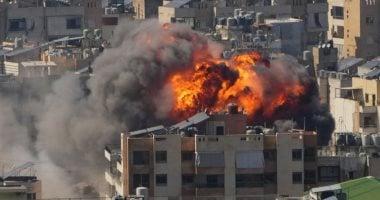
U.S. Strikes Iran After Trump Says Ceasefire Is Over, Iran Hits U.S. Allies
22 sources compared
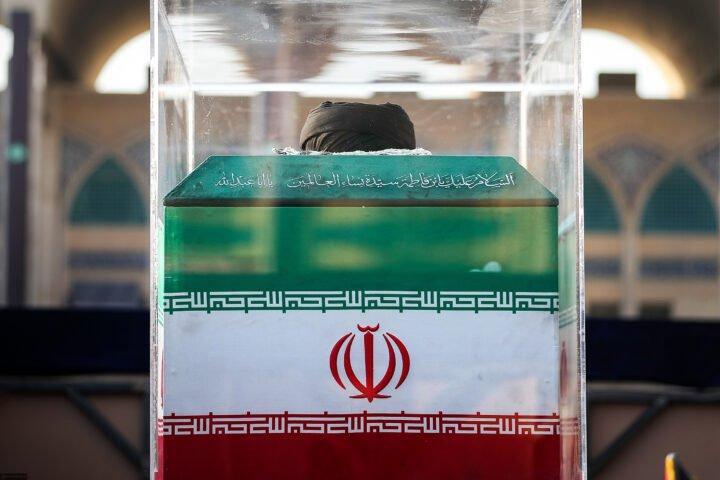
Israeli-American Attack Killed Ayatollah Ali Khamenei as His Body Was Buried in Mashhad
23 sources compared
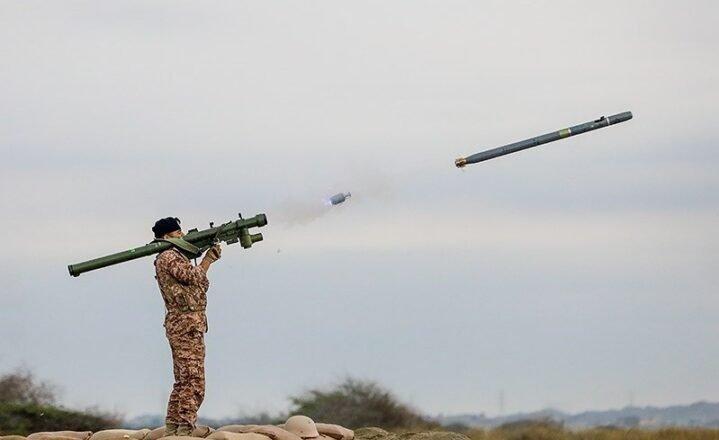
United States Strikes Hit Bushehr as Iran Says 14 Killed in Past Two Days
17 sources compared

Iran Launches More Strikes After US Attacks Hit Southern Iran, US Central Command Says
36 sources compared