USA04 December, 20252 min read
University of Arizona Researchers Document New Wild Jaguar in Southern Arizona, Fifth Confirmed Since 2011
This article is an automated aggregation of coverage from news outlets. Our editorials offer in-depth analysis curated by the NewsCord team.
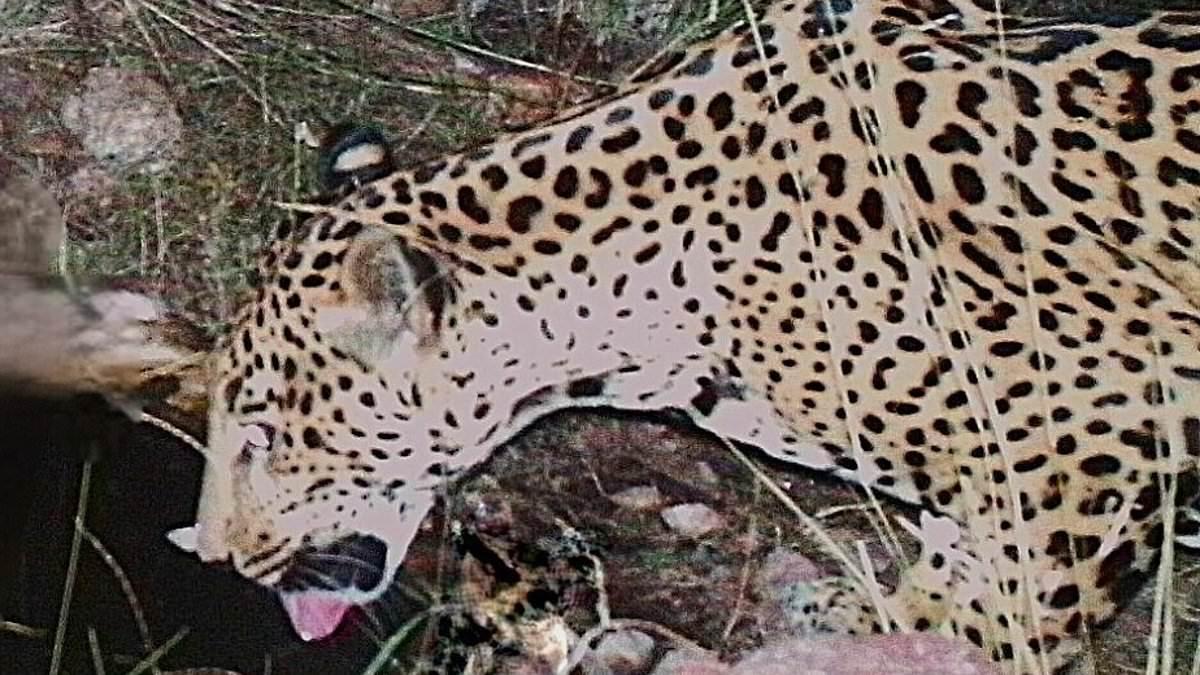
University of Arizona researchers confirmed a new wild jaguar in southern Arizona Remote camera images identified the jaguar by its unique rosette pattern

5 outlets told this the same way.
Arizona jaguar confirmation
Researchers at the University of Arizona's Wild Cat Research and Conservation Center confirmed a previously undocumented jaguar in southern Arizona after reviewing remote camera images taken in November. The team designated the animal 'Jaguar #5'.
“Researchers at the University of Arizona’s Wild Cat Research and Conservation Center documented a new male jaguar in southern Arizona in November. Designated ‘Jaguar #5,’ it is the fifth jaguar recorded in the state since 2011.”
The finding was publicized by local and national outlets and represents the fifth jaguar recorded in the state since 2011, or over the past 15 years depending on wording. The center’s camera network captured the images, and researchers reported the sighting as a distinct individual based on photographic evidence.

Media identification differences
Sources described identification and on-the-ground methods differently. ABC News highlighted the rosette pattern as a unique identifier and emphasized that a remote camera photographed the cat at a watering hole.
FOX 10 emphasized the trail-camera network and the volunteer effort used to capture the images. The Daily Mail added that images were captured three times and reported scientists are collecting scat for genetic analysis to determine sex and other details, a follow-up step not mentioned in shorter local and mainstream summaries.
Jaguar sightings timeline and context
All three sources report this is the fifth jaguar documented in the region since roughly 2011. They frame the time span slightly differently: ABC describes it as the fifth big cat documented over the 'past 15 years,' while FOX 10 and the Daily Mail state it is the 'fifth jaguar recorded in the state since 2011.' The Daily Mail places the sightings in ecological context, noting researchers link such cross-border movements to water availability and calling the pattern an occasional movement rather than evidence of established U.S. breeding.
“Designated ‘Jaguar #5,’ it is the fifth jaguar recorded in the state since 2011.”
Jaguar coverage differences
The sources differ in the breadth of conservation and policy context they provide. The Daily Mail supplies more extensive conservation context, noting jaguars are protected under the Endangered Species Act and that most of their range is in Central and South America.
It also reports that U.S. breeding hasn't been documented in more than a century and that federal rules changed in 2024 to reduce designated jaguar habitat in parts of southern Arizona to about 1,000 square miles. ABC News and FOX 10 focus mainly on the sighting and identification and do not mention those policy shifts or the longer-range historical context.
Jaguar coverage differences
FOX 10 Phoenix reports the animal as a 'new male jaguar'. The Daily Mail notes that scientists are collecting scat 'to determine sex and other details,' which suggests the animal's sex may still be unconfirmed. ABC News omits mention of sex and emphasizes identification by coat pattern.
“Researchers at the University of Arizona’s Wild Cat Research and Conservation Center documented a new male jaguar in southern Arizona in November.”
These differences create ambiguity about details such as whether the sex has been genetically confirmed. They also reflect how local, mainstream, and tabloid outlets prioritize different aspects: field logistics (FOX 10), identification methods (ABC), and broader ecological and policy implications (Daily Mail).