Sudan01 May, 20268 min read
Unknown Gunmen Attack Afatit Camp in Ethiopia, Injuring Sudanese Refugees
This article is an automated aggregation of coverage from news outlets. Our editorials offer in-depth analysis curated by the NewsCord team.
Afatit camp in Amhara region, Ethiopia, was attacked, wounding Sudanese refugees. The assault occurred Tuesday evening around 10 p.m.
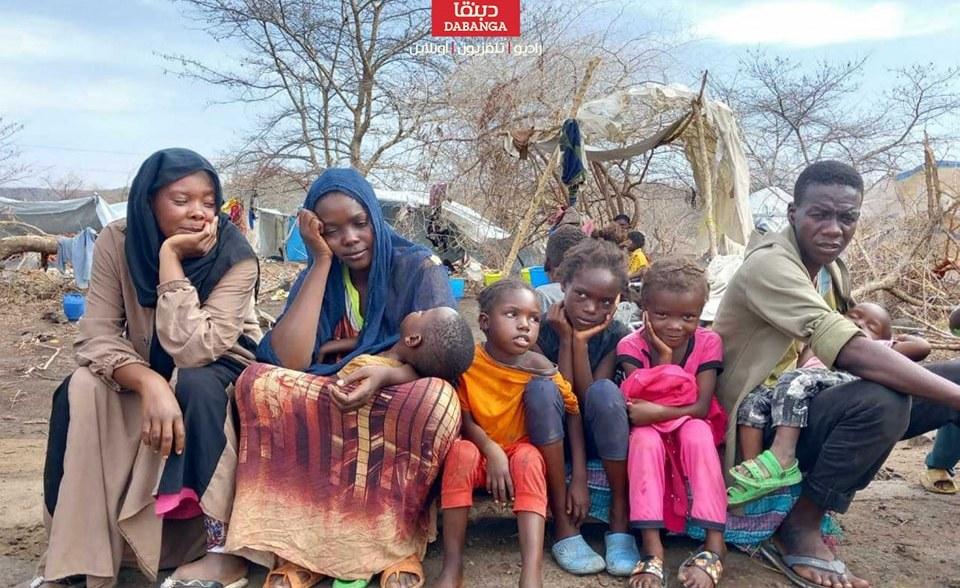
Aftit and Afatit attacks
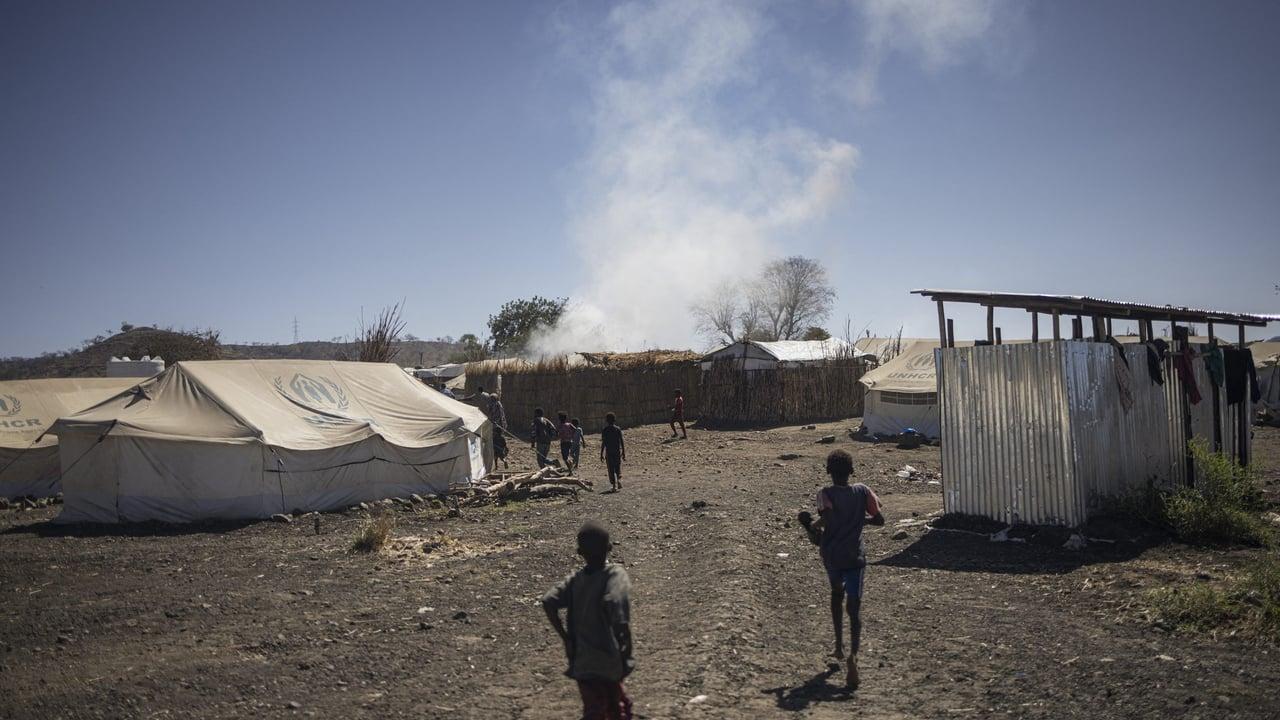
Sudanese refugees in Ethiopia reported a new round of violence against their camps, with multiple outlets describing armed assaults that injured residents and prompted renewed calls for protection. In the Amhara region, sources inside the Afatit camp said an attack occurred around 10:00 p.m. local time on Tuesday evening using light weapons, and wounded refugees were transported by ambulance to a hospital for medical examinations. The Coordination of Sudanese refugees returning from the Oulala forests said the camp—established as an alternative to the Oulala and Kumer camps—still lacked adequate security presence, and Mohammed Abdul-Salam said repeated attacks reflect a failure to protect refugees.
A refugee inside the camp said attackers broke into homes, assaulted families, and looted belongings including phones, while the recurring attacks pushed some refugees to consider leaving the camp or returning to Sudan despite the risks. In a separate report focused on Aftit camp, Radio Dabanga said a number of Sudanese refugees were injured in the sixth armed attack on the settlement, with unknown gunmen opening fire around 10 p.m. using Kalashnikov rifles.
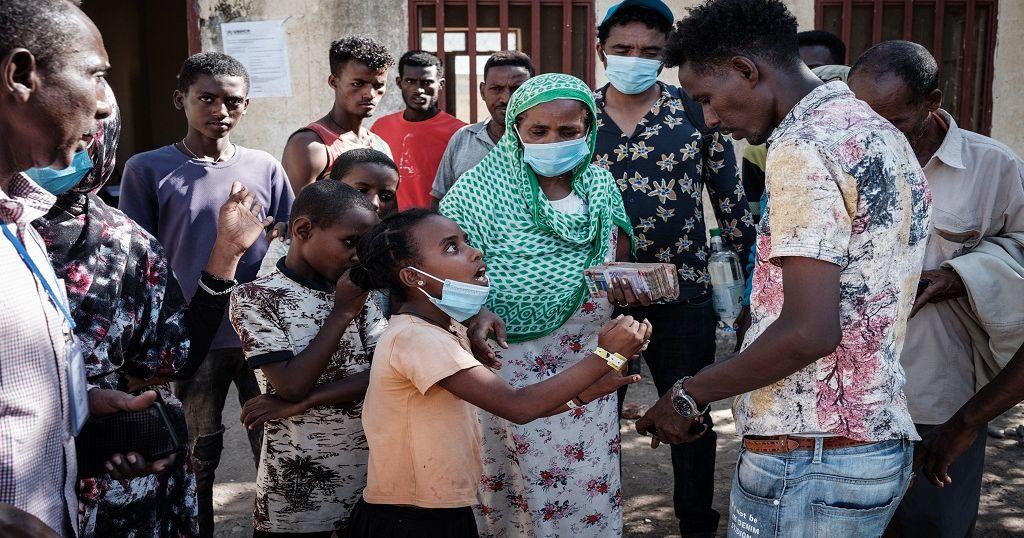
Radio Dabanga’s account described fear spreading inside the camp due to the absence of a functioning security presence, and it said armed men stormed shelters, assaulted families, and looted property including mobile phones. Across both camps, the pattern described by refugees and the Coordination centered on assaults during nighttime hours and the use of weapons, with medical evacuations following the incidents.
Security responsibility dispute
Refugees described a dispute over who is responsible for camp security, and they linked the latest attacks to gaps in protection after a guarding force left and later returned. In the Afatit camp account, Mohammed Abdul-Salam said repeated attacks reflect a failure to protect the refugees, adding that some have left Ethiopia while others remain in the camp without alternative options. The same report said a meeting was held on Wednesday that included representatives from the Shahidi government and security and intelligence agencies, as well as the United Nations High Commissioner for Refugees (UNHCR) and the Refugee Affairs Authority.
According to refugees, local authorities at the meeting affirmed that the responsibility for securing the camp lies with the Shahidi government, and that international organizations are not a direct party to this. Refugees said authorities had presented the same proposition at a previous meeting about two weeks earlier, stressing that the security situation is under control, while refugees said the attacks did not reflect that. They explained that the security force that had been guarding the camp left after its contract ended, only to return later, but the attacks continued, including the latest assault.
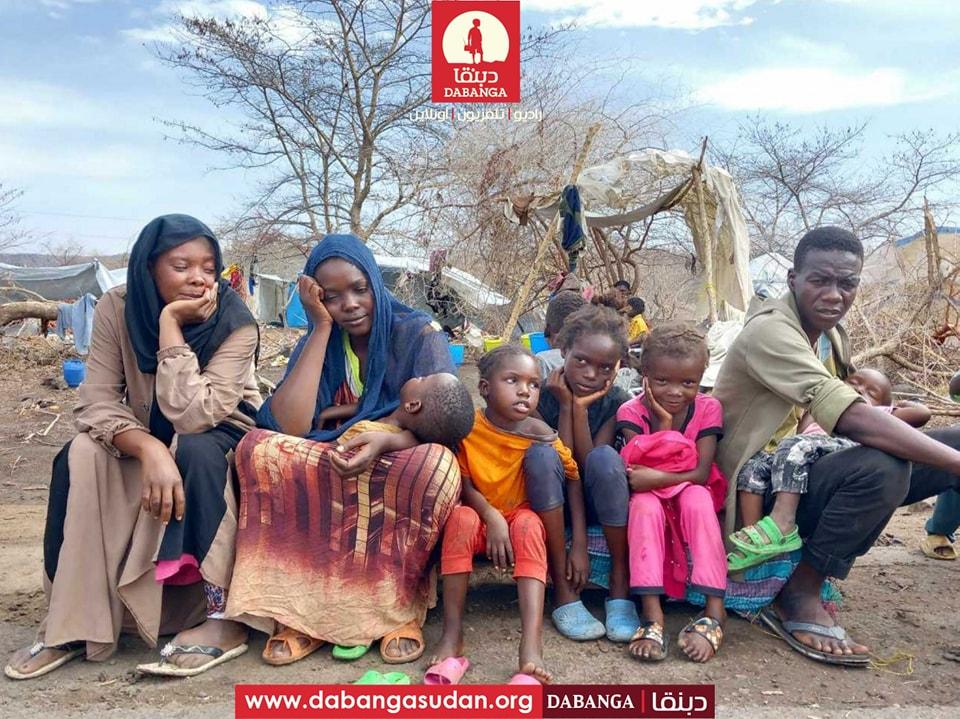
Radio Dabanga’s report on Aftit camp echoed the same theme, saying refugees reported a meeting on Wednesday involving Ethiopian authorities, intelligence and security services, UNHCR, and the Refugee and Returnee Service (RRS), and that local officials reportedly said camp security remains the responsibility of the Ethiopian government while denying any direct operational role for international agencies. Radio Dabanga also said refugees accused authorities of evading responsibility as attacks continue, and it described protests later erupting outside UNHCR registration offices where refugees said homes had become unsafe following repeated armed incursions.
Eritrean refugees caught in Sudan
Beyond the camp attacks in Ethiopia, other reports connected the broader Sudan conflict to the movement and vulnerability of Eritrean refugees across the Horn of Africa.
Africanews described Eritrean refugees who fled Eritrea to escape compulsory conscription and the authoritarian regime in Asmara, only to find that the war in Ethiopia “caught up with them,” sweeping away the sense of protection felt by the 96,000 Eritrean refugees in Tigray.
The report said an AFP team interviewed Eritrean refugees housed at the Hamdayit transit center on Sudan’s eastern border, including Kheder Adam, 30, who had lived for two years in a refugee camp in Shiraro region near the Eritrean border.
Africanews said soldiers burst into the camp and began shooting at everyone, including women, men and children, and it added that some soldiers were Eritreans while others were Ethiopian federal soldiers.
It also described a dispute involving U.S. and Ethiopian claims about Eritrean troops in Tigray, saying a State Department spokesman told AFP on Friday that the United States deemed the information about Eritrean troops present in Tigray credible, and that the spokesman added the United States urged such troops to withdraw immediately.
The Ethiopian ambassador to the United States, Fitsum Arega, denounced the claim as a lie on his Twitter account, and the report included the line: “There, I was a refugee, and here I am again. It is really hard, explains Kheder Adam”.
In a separate UN News report, Mohamed Abdelsalam Babiker, UN Special Rapporteur on the human rights situation in Eritrea, told the Human Rights Council that Eritrean refugee and migrant women and girls of all ages had been victims of grave violations, including sexual violence, abductions, domestic servitude, and sex slavery, in Khartoum and in areas controlled by the RSF.
The UN News report also said the UN expert was extremely concerned about the fate of Eritrean refugees in Sudan, described as collateral victims of fighting since April 2023 between the regular army led by General Abdel Fattah al-Burhan and the RSF led by Mohamed Hamdan Daglo.
It further stated that by mid-2023, UNHCR had registered about 623,000 Eritrean refugees and asylum seekers worldwide, and that Ethiopia and Sudan continue to host the largest numbers of refugees.
Urban precarity in Ethiopia
A separate feature report described how Sudanese refugees in Ethiopia have been pushed into extreme precarity, including life on the streets, as administrative barriers and resource shortages limit access to registration and legal status.
InfoMigrants said that since the start of the war in Sudan a little over two years ago, millions have fled to neighboring nations including Ethiopia, and it quoted UNHCR spokesperson Eujin Byun saying on June 3 that it is “the world’s worst displacement crisis.”
The report said that a little over 163,000 people, including 73,000 Sudanese, have fled to Ethiopia, and it described Othman, Amjad, and Wegdan living in Addis Ababa amid a “total lack of resources” and an “impasse.”
It described Othman, a 22-year-old Sudanese man, sleeping under a tarp reading “Tirusina Masjid,” and it said he arrived at 5 a.m. and returned to the street before noon, after leaving a camp near Asosa.
The feature quoted Othman saying he left in a hurry because “the Sudanese army was looking for me,” and it included his father’s warning: “It’s too dangerous for you and for us. Leave the country and don’t come back.”
For asylum procedures, Tarik Argaz of UNHCR communications in Ethiopia said “you must register at the designated registration points,” which the report said are located along the border in Metemma in the Amhara region or in Kurmuk in the Benishangul-Gumuz district.
The report said “Currently, no registration is possible in Addis Ababa for Sudanese refugees,” and it quoted Tarik Argaz confirming that, while an Ethiopian migration-lawyer said the process is “illegal under international law.”
The feature also described a policy shift, saying that until last autumn Sudanese exiles could live outside the camps without a visa thanks to a government decision at the start of the war, but since October 2024 the exemption has been suspended, with people not recognized as refugees required to pay a visa of $100 to renew every month and “Ten dollars in fines are also deducted daily for people whose status has expired.”
It added that Amjad, who tried to register at the Ura camp, came to the capital with a tourist visa and ended up on the street, and it described Wegdan’s situation as tied to family reunification and the relocation of the French embassy to Addis Ababa because of the war.
Regional spillover and next steps
The Sudan conflict’s impact described in the sources also extended beyond Ethiopia’s camps, with reports of attacks near the Ethiopia-Sudan border and warnings about deteriorating security across the region. Jeune Afrique reported that three agricultural villages in southeastern Sudan, located near the border with Ethiopia, were attacked and looted on Sunday, July 13, by Ethiopian militias, farmers and local volunteers, and it said the report was published July 14, 2025 and updated July 16, 2025 at 17:48. In Wad Kouli, a 29-year-old farmer said, “Yesterday, while we were in our fields, the Shifta militias arrived, encircled the village, opened fire, and looted cows and tractors under the threat of weapons,” and in Wad Aroud, a 32-year-old farmer said, “When we arrived, we found that members [of the militia] had looted cows and sheep from the village,” before retreating into Ethiopia.
Jeune Afrique said the local Resistance Committee described “repeated and dangerous violations” that were “devastating for the region’s food security and the livelihoods of its inhabitants,” and it added that the attacks prevented farming during the key planting period corresponding to the region’s rainy season from July to September. The report also said these attacks targeted several other villages in Gedaref State, where nearly a million people live in famine according to the latest UN estimates. In the same regional frame, Radio Dabanga shifted to eastern Chad, saying insecurity escalated with a massive fire at Alasha refugee camp destroying more than 100 homes and a separate incident on Tuesday leaving one refugee dead.
It said Chadian authorities ordered tighter security measures including road checkpoints and weapons searches, and it reported that Chadian President Mahamat Idriss Déby Itno visited border areas to assess military deployments. Radio Dabanga linked the situation to cross-border instability linked to the war in Sudan, stating that Déby closed the eastern Chad’s 1,300-kilometre border with Sudan’s North Darfur and placed the military on maximum alert following a deadly drone strike on a border town of El Tina and incursions by Sudan’s paramilitary Rapid Support Forces that left seven Chadian soldiers killed near Jargeira in North Darfur. Taken together with the UN News warning that “a terrible famine looms on the horizon” and that “severe floods will soon hinder the delivery of aid even further,” the sources portray a region where refugee safety, food security, and humanitarian access are all under pressure.