Full Analysis Summary
US-China Trade Fee Suspension
The U.S. Trade Representative recently suspended port fees imposed on China’s maritime and shipbuilding sectors.
Global Trade Magazine reported a one-year pause on these fees from November 10, 2025 to November 9, 2026.
The fees were introduced in October following a Section 301 investigation into state subsidies.
The measures aimed to reduce Beijing’s industrial dominance.
The industry is divided on the suspension: shipping and logistics groups support the pause for stability and planning.
Labor unions warn that the suspension undermines efforts to rebuild U.S. shipbuilding and national security.
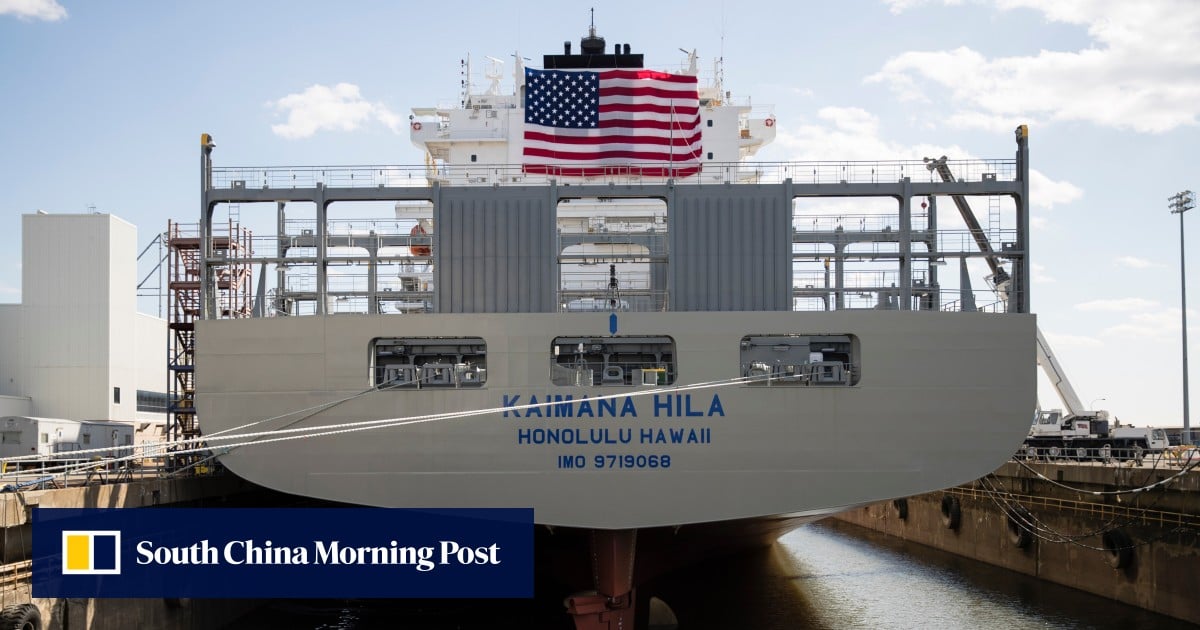
South China Morning Post noted that a coalition of unions led by the United Steelworkers criticized the previous administration for suspending fees as part of a trade truce.
The unions expressed strong disappointment in a letter to U.S. Trade Representative Jamieson Greer.
Overall, the suspension reflects a politically charged situation balancing supply-chain stability against domestic industrial revival and security concerns.
Coverage Differences
narrative
Global Trade Magazine (Other) frames the move as a USTR policy decision tied to a Section 301 probe with specific dates and the goal of curbing Beijing’s industrial dominance. South China Morning Post (Asian) frames it within a "trade truce" under the Trump administration, centering union-led opposition and a letter to Jamieson Greer.
missed information
Global Trade Magazine (Other) does not mention a "trade truce," the Trump administration, or a letter to Jamieson Greer; South China Morning Post (Asian) does not provide Section 301 context, the October introduction of fees, or the 2025–2026 suspension dates.
tone
Global Trade Magazine (Other) balances policy and industry analysis—emphasizing planning, investment stability, and national security—whereas South China Morning Post (Asian) adopts a labor-focused tone highlighting union criticism and portraying the suspension as part of a political trade truce.
Reactions to Shipping Suspension
Industry reactions diverge sharply in the coverage.
Global Trade Magazine reports that shipping and logistics groups view the suspension as a breathing space to stabilize operations and plan long-term investments.
Labor unions and some experts argue the pause undermines rebuilding U.S. shipbuilding capacity and national security.
The brief enforcement period had real costs—millions for U.S. carriers and substantial fees for Chinese state-owned firms—highlighting stakes for both sides.
South China Morning Post amplifies the labor perspective, saying unions led by United Steelworkers believe the suspension will hinder revival of the shipbuilding industry and harm efforts to restore the domestic maritime sector.
This underscores organized labor’s displeasure.
Coverage Differences
focus
Global Trade Magazine (Other) presents a two-sided industry split and quantifies recent impacts on carriers and Chinese SOEs, whereas South China Morning Post (Asian) concentrates on labor’s condemnation led by United Steelworkers and the political framing of the decision.
missed information
South China Morning Post (Asian) omits the report of "millions in costs for U.S. carriers" and fees on Chinese state-owned firms, which Global Trade Magazine (Other) details; meanwhile, Global Trade Magazine does not name United Steelworkers, which South China Morning Post highlights.
tone
Global Trade Magazine (Other) blends economic planning and national security concerns with a neutral framing of industry divisions; South China Morning Post (Asian) uses a sharper, labor-advocacy tone by centering union-led criticism and disappointment.
Debate Over Shipping Suspension
Supporters of the pause, as described by Global Trade Magazine, say it allows stability in shipping operations and long-term investment planning.
Opponents warn it jeopardizes national security and the rebuilding of U.S. shipbuilding.
Global Trade Magazine further reports concerns that China’s history of noncompliance makes the suspension risky, implying enforcement credibility is at stake.
South China Morning Post echoes the domestic-industry harm angle, reporting unions’ view that the decision will hinder revival of U.S. shipbuilding and hurt efforts to restore the broader maritime sector.
Across both accounts, union leaders frame the suspension as undermining domestic industrial capacity at a sensitive moment for the sector.
Coverage Differences
severity/emphasis
Global Trade Magazine (Other) explicitly ties the policy to national security and warns about China’s "history of noncompliance," escalating the risk framing. South China Morning Post (Asian) emphasizes the practical harm to the revival of U.S. shipbuilding and the domestic maritime sector without discussing compliance history.
narrative
Global Trade Magazine (Other) grounds the policy in a Section 301 investigation into Chinese subsidies, linking it to strategic competition; South China Morning Post (Asian) positions it within a Trump-era trade truce and union backlash.
Trade Suspension Timing Discrepancies
Key contextual differences and timing remain unclear.
Global Trade Magazine specifies a one‑year suspension from November 10, 2025 to November 9, 2026 and roots the fees in an October rollout tied to a Section 301 investigation.
South China Morning Post, by contrast, places the suspension within the Trump administration as part of a trade truce and highlights a letter to USTR Jamieson Greer.
The mismatch in administrative timing and framing (Section 301 enforcement vs. trade truce) is not reconciled by the sources, but both agree that unions opposed the suspension on grounds that it would undermine U.S. shipbuilding and the domestic maritime sector.
Coverage Differences
contradiction/ambiguity
Global Trade Magazine (Other) dates the suspension for 2025–2026 after an October fee rollout, while South China Morning Post (Asian) attributes the suspension to the Trump administration and a trade truce, creating uncertainty about whether both accounts describe the same episode or different pauses.
consensus
Despite different contexts, both sources agree that labor unions opposed the suspension for undermining domestic shipbuilding and maritime revival.