Iran-Israel14 January, 20262 min read
US Advises Partial Evacuation of Al Udeid Air Base in Qatar
This article is an automated aggregation of coverage from news outlets. Our editorials offer in-depth analysis curated by the NewsCord team.
Some US personnel at Al Udeid Air Base were advised to leave. Officials characterized the action as a precautionary posture change, not a full evacuation.

7 outlets told this the same way.
Outlets did split on U.S. Intercepts Iran Message Activating Sleeper Cells After U.S.-Israel Strike Kills Khamenei →
Al Udeid force reduction
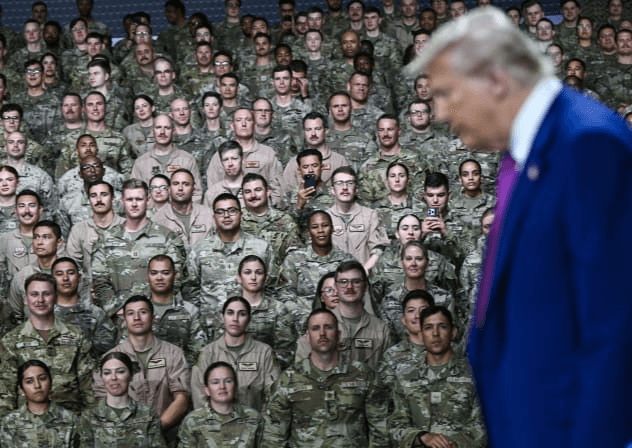
US forces have been reduced at Al Udeid air base in Qatar in what officials and local authorities described as a precautionary posture change amid rising US–Iran tensions. The Qatari government and US officials called the move a precautionary measure, while some diplomats and reporters described it as advising some personnel to leave or repositioning forces rather than a formal ordered evacuation. Reports note Al Udeid is a key hub for US operations in the region and that personnel adjustments were framed as protective steps for citizens, residents and critical infrastructure.
“The US is reducing personnel at its Al-Udeid air base in Qatar as a ‘precautionary measure’ amid rising tensions with Iran, the Qatari government said and a US official confirmed to Reuters.”
US-Iran tensions over protests
A personnel move comes amid sharp US-Iran tensions. Those tensions follow US warnings about Iran's treatment of anti-government protesters and Iranian threats of retaliation if attacked. Western outlets reported President Trump warned of "very strong action" if Iran executed protesters such as Erfan Soltani.
Rights groups cited by the BBC and the London Evening Standard say more than 2,400 protesters have been killed in Iran's crackdown. AzerNews and SSBCrack link the advisory to broader regional warnings from Tehran and to suspended diplomatic contacts between Iranian and US envoys.
Al Udeid strategic overview
Al Udeid's strategic importance and recent history amplify concerns. Multiple sources note it is the largest US base in the Middle East and hosts roughly 10,000 personnel and the US air-operations headquarters.
“Al-Udeid, a 24-hectare (59-acre) base outside Doha, is the largest US military base in the Middle East and houses the US air-operations headquarters and roughly 10,000 personnel.”
Those sources also report it was struck in June as part of reciprocal strikes between Iran and the US. That combination of size, role and prior targeting is why several outlets described the personnel adjustments as a significant precaution or posture shift.
Official reactions and warnings
Official statements and silence vary across sources. Qatar publicly framed the step as protective, saying it was 'taking steps to protect citizens, residents and critical infrastructure.' The Pentagon reportedly declined to comment on evacuations, and the US embassy in Doha had 'no immediate comment' in some accounts.
AzerNews cites diplomats and reports cancelled diplomatic contacts between Iran and US envoys. SSBCrack quotes analysts warning about the risks of escalatory military options and the logistical and political limits on large-scale interventions.

Media responses to Iran tensions
Analysts warn that personnel adjustments have broader implications but differ on likely outcomes. SSBCrack cautions that talk of strikes on senior Iranian figures could provoke a major backlash and empower hardline forces. SSBCrack also views a full-scale ground invasion as unlikely.
“Discussion of possible U.S. military options against Iran — including strikes on senior figures or the Supreme Leader — has raised alarm among experts, who warn such moves could provoke major backlash, empower the IRGC, and be logistically difficult.”
AzerNews documents diplomatic ruptures and reports regional warnings from Tehran to neighbouring states to prevent attacks on US bases. The London Evening Standard underscores the human-rights backdrop and highlights appeals from victims' families to Washington.

The BBC provides casualty figures cited by rights groups. Overall coverage shows consistent concern but differing emphases: strategic risk and escalation, diplomatic fallout, and human-rights and domestic political triggers.