Europe23 February, 20262 min read
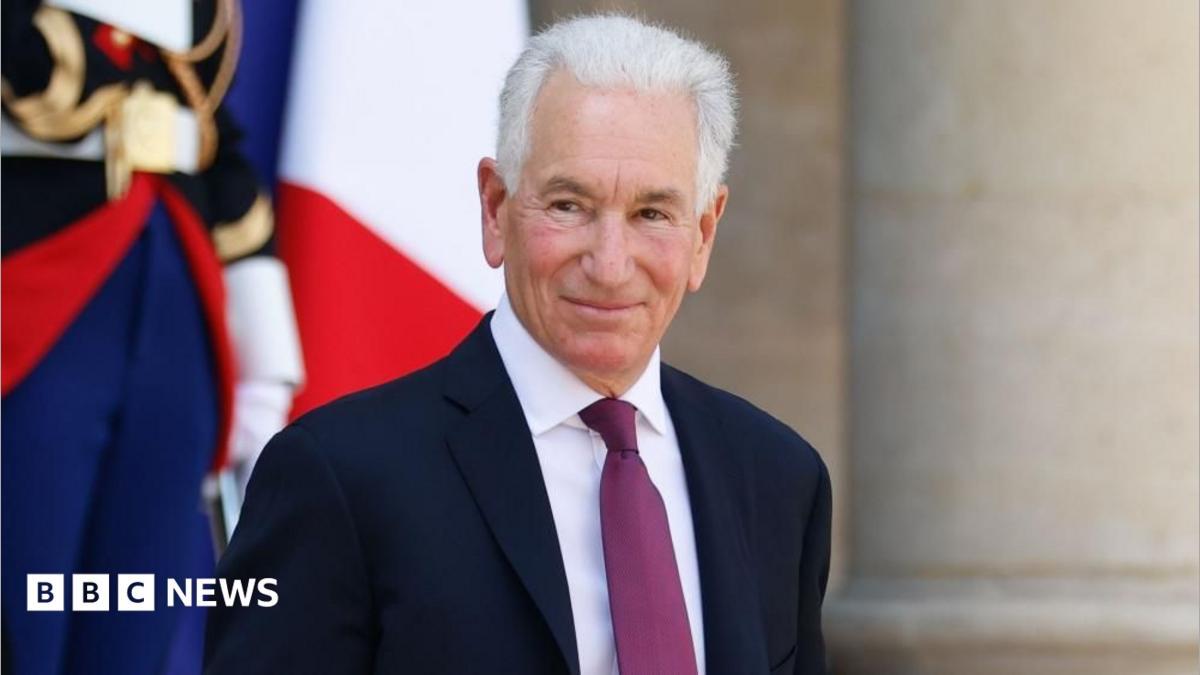
U.S. Ambassador to France Charles Kushner Pledges Not to Interfere in French Affairs
Charles Kushner was barred from direct access to French government ministers after missing summoned meeting U.S. embassy and State Department posts blamed 'violent radical leftism' for Quentin Deranque's killing

14 outlets told this the same way.
Outlets did split on Marco Rubio Urges Europe To Awaken From Slumber In Athens Speech →
France-US spat over Lyon killing
France summoned U.S. Ambassador to France Charles Kushner after the U.S. embassy and State Department reposted comments tying the Feb. 12 beating death of 23‑year‑old far‑right activist Quentin Deranque in Lyon to rising "violent radical leftism."
“Jean‑Noël Barrot has barred U.S. Ambassador Charles Kushner from direct access to French government ministers after Kushner failed to attend a formal summons about U.S. administration comments on the fatal beating of far‑right activist Quentin Deranque (statement issued 23–24 Feb 2026).”
Paris viewed the remarks as interference in its domestic affairs.

French Foreign Minister Jean‑Noël Barrot issued a formal summons and later barred Kushner from direct access to government ministers.
Barrot left routine embassy contacts intact and framed the action as a diplomatic rebuke that could strain ties between Paris and Washington.
The episode unfolded amid criminal investigations into Deranque's death and charged suspects.
Significant public demonstrations in Lyon, observers said, included Nazi salutes and racist insults.
Kushner diplomatic access restrictions
French officials said Kushner failed to attend a 7:00 p.m. summons and instead sent a senior embassy official who cited "personal reasons", an absence Paris described as a failure to meet ambassadorial duties.
Paris responded by restricting Kushner's access to ministers while allowing him to continue some routine diplomatic work, with the foreign ministry explicitly saying the measure was imposed because of an apparent lack of understanding of ambassadorial responsibilities.

Kushner and Barrot call
Kushner later phoned Foreign Minister Barrot. French and U.S. offices described the conversation as "frank and amicable" and said both sides agreed to meet in the coming days. Kushner affirmed he would not interfere in French domestic politics.
“Kushner later phoned Barrot; their offices said the call was ‘frank and amicable,’ they reaffirmed a commitment to work together, and agreed to meet in the coming days as the two countries mark 250 years of diplomatic relations.”
French officials insisted the ambassador must answer the formal summons to regain ministerial access. Both sides signaled a desire to preserve the bilateral relationship as they mark 250 years of diplomatic ties.
French investigations and unrest
French prosecutors have opened investigations tied to the online reposting of U.S. remarks and the circumstances surrounding Deranque's death. RFI reported that more than 3,000 people marched in Lyon in tribute, where observers said Nazi salutes and racist insults occurred.
Several outlets note that suspects have been charged in the criminal case. Those outlets underlined that Paris's response to Washington intersected with complex domestic legal and public-order developments.
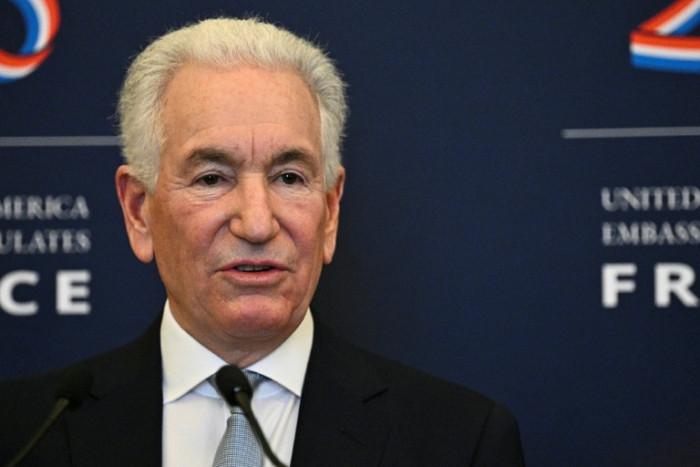
Coverage of Kushner visit
Western mainstream sources (France 24, The Guardian, NPR, RFI) focus on protocol, the reposted State Department remarks about "violent radical leftism," and steps taken by the French ministry. West Asian reporting (Al‑Jazeera) reproduces the ministry's blunt criticism of Kushner's absence.
“The move is a diplomatic rebuke that could strain ties while leaving open the possibility of reconciliation.”
Tabloids (Toronto Sun) foreground the personal pledge by Kushner not to interfere and frame the episode through the lens of bilateral friendship. All sources report the summons, Kushner's absence, the phone call and planned meeting, but they differ in tone and context provided.