China02 November, 20252 min read
US and China Reopen Military Channels to Avoid Direct Conflict After Trump-Xi Summit
US and China agreed to establish direct military-to-military communication channels. The channels aim to deconflict and deescalate potential military tensions and problems.
16 outlets told this the same way.
US-China Military Communication Restart
After a summit between U.S. President Donald Trump and China’s President Xi Jinping in Busan, South Korea, both countries moved to reopen direct military-to-military channels to prevent conflicts and reduce tensions.
“The United States and China have agreed to establish new military-to-military communication channels to prevent conflicts and reduce tensions... The channels aim to ‘deconflict and de-escalate’ potential issues... Both sides emphasized the importance of peace, stability, and good relations.”
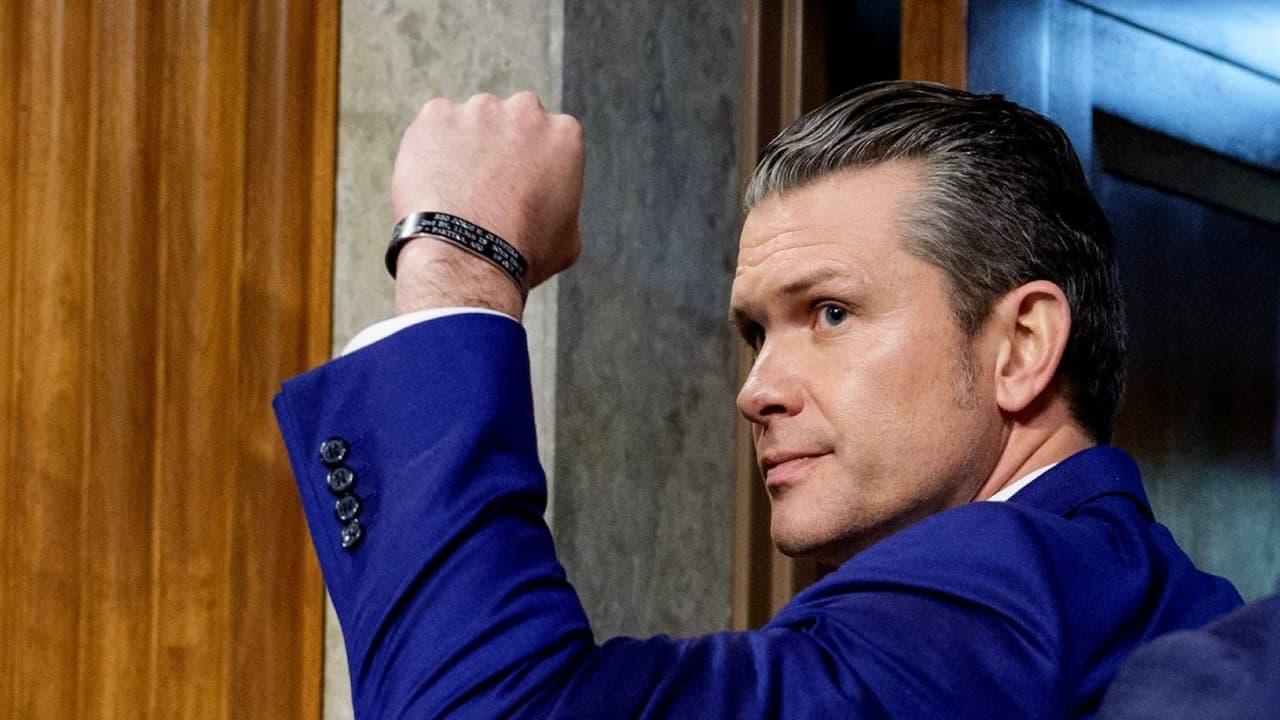
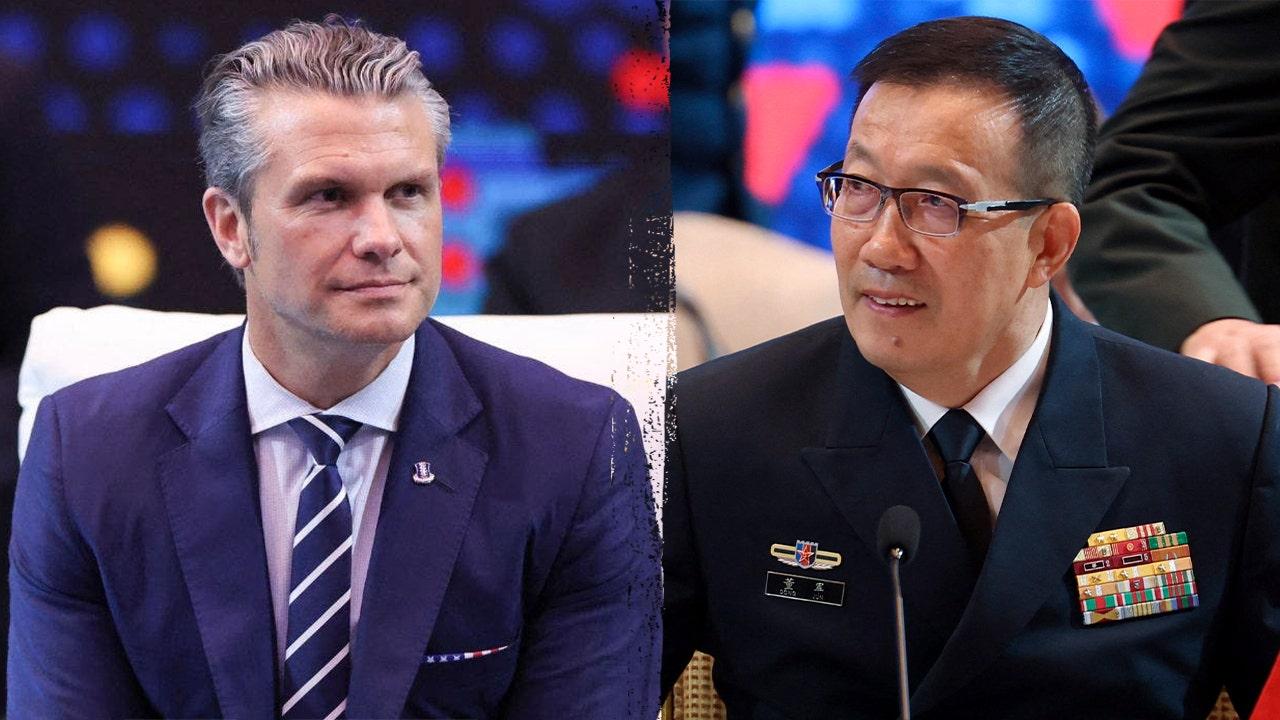
U.S. Defense Secretary Pete Hegseth announced the step after talks with China’s Admiral Dong Jun on the sidelines of ASEAN meetings in Malaysia, describing channels designed to “deconflict and de-escalate” and stressing peace, stability and good relations.

Multiple outlets link the move to restoring contacts that lapsed after China suspended military dialogue in 2022 following Nancy Pelosi’s Taiwan visit, and frame the channels as a critical guardrail amid South China Sea and Taiwan Strait risks.
Renewed Military Communication
The reopening comes after years of strained military dialogue. Some sources note that over 90 communication links went dormant during Trump’s first term. China severed the remaining ties in 2022 after Pelosi’s Taiwan trip.
Engagement began to improve after a Biden–Xi meeting in 2023. The latest Busan summit is presented as a breakthrough. This summit was backed by working-level talks in Malaysia/Kuala Lumpur where Hegseth met Admiral Dong Jun.
Accounts differ on whether to foreground the Busan leaders’ summit or the ASEAN defense-track meetings. However, the through-line is renewed contact under a shared pledge of peace and stability.
Trade and Security Developments
Several outlets say the security channel reopening was reinforced by trade and economic steps. Reports describe tariff pauses and market openings, Chinese commitments on rare earth supplies, and new U.S. farm exports. Financial Express details the suspension of retaliatory measures and removal of export controls on rare earth elements.
“US President Donald Trump announced a trade and economic agreement with China... China committed to removing export controls on rare earth elements and opening its markets to US agricultural products... China will suspend all retaliatory tariffs announced since March 4, affecting various US agricultural goods like chicken, wheat, soybeans, and beef.”
News18 reports immediate, large Chinese purchases of U.S. soybeans as a positive gesture. Other accounts point to reduced U.S. tariffs on Chinese goods and commitments to rare earths, but also stress unresolved issues like TikTok and Nvidia chips. One report even cites reducing fentanyl-related tariffs.
US-China South China Sea Tensions
Security dynamics remain complex. Even as Washington and Beijing revive channels to deconflict and de-escalate, Hegseth urged Southeast Asian countries to strengthen their maritime forces against China’s destabilising actions and criticized China’s extensive claims.
Parallel to the bilateral reset, U.S. officials consulted allies from Australia, Japan, and the Philippines on enhanced deterrence and readiness in the South China Sea. Other reports emphasize a cooperative posture built on peace through strength, mutual respect, and positive relations, while underlining that the U.S. will firmly defend its interests.

Future Diplomatic Meetings Overview
Looking ahead, outlets suggest more implementation meetings are planned. There is divergence on diplomatic optics and timelines among different sources. Fox News reports that further meetings to implement the channels are scheduled.
“Further meetings to implement these communication channels are planned.”
MercoPress states that Trump called the relationship a “G2” and plans an April visit to China. MercoPress also notes Beijing’s preference for multilateral management. Al Jazeera describes the channels as a critical step and mentions reciprocal visits.
Samaa TV places those reciprocal visits in 2026. West Asian coverage, such as TRT World, frames the Busan session as a foundation for lasting peace and success.