US And Iran Exchange Fire Near Strait Of Hormuz After Trump Warns Harder Response
Key Takeaways
- US and Iran traded fire near Strait of Hormuz amid ceasefire tensions.
- CENTCOM intercepted unprovoked Iranian attacks and responded with self-defense strikes.
- Ceasefire remains in effect despite exchanges, according to Trump and multiple outlets.
Hormuz exchange and threats
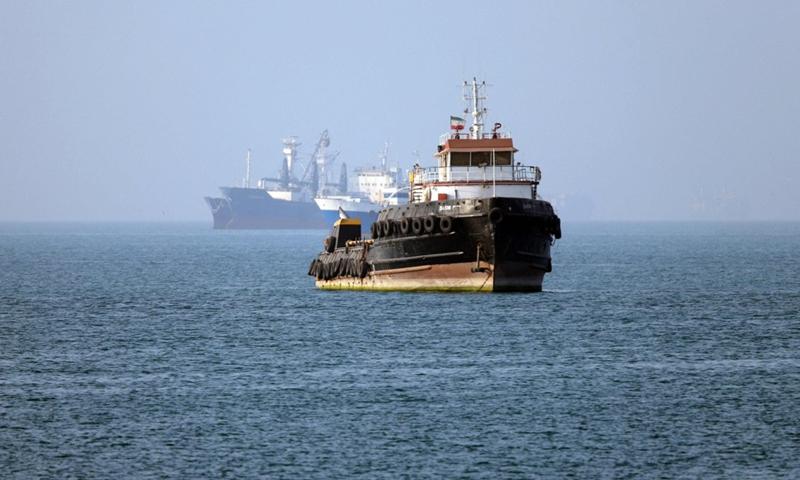
The United States and Iran exchanged fire around the Strait of Hormuz as US Central Command said Iranian forces launched missiles, drones and small boats towards three American destroyers operating in the area before US forces intercepted the attacks and launched retaliatory strikes on Iranian military positions.
Iran rejected the American version, accusing Washington of violating the ceasefire first by targeting Iranian-linked vessels, and Tehran claimed its naval units responded immediately after the alleged attacks.
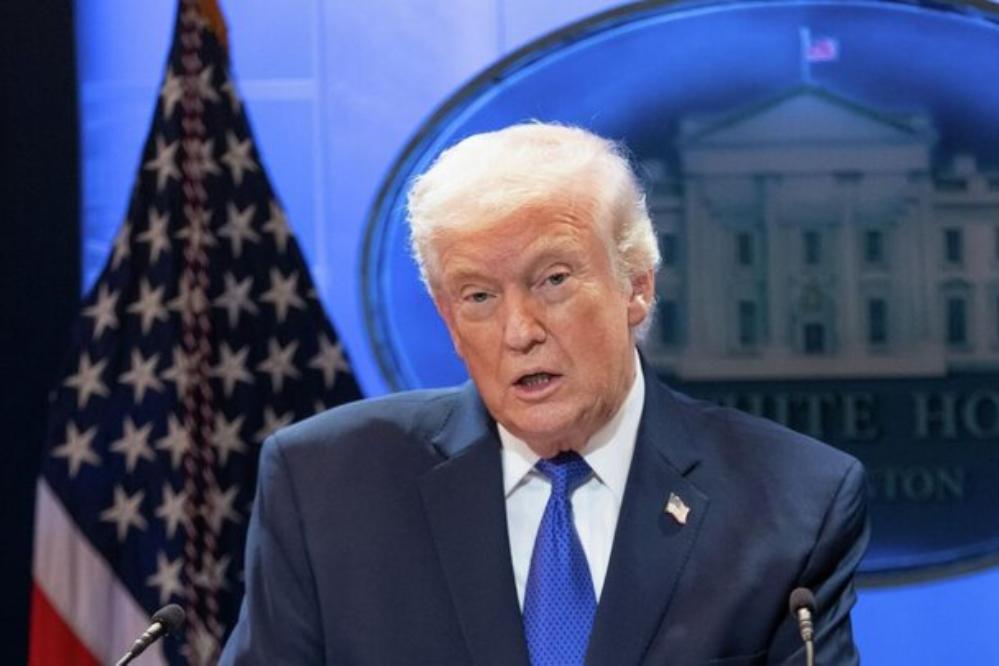
US President Donald Trump attempted to project confidence that the ceasefire remained intact while warning that if Iran failed to sign a deal quickly, Washington would respond “a lot harder, and a lot more violently,” calling Iran’s leaders “lunatics”.
The renewed instability in Hormuz rattled energy markets, with CNN الاقتصادية reporting Brent crude futures rose by $1.69, or 1.69%, to $101.75 a barrel and US West Texas Intermediate climbed by 93 cents, or 0.98%, to $95.74 a barrel.
The Times of India said the uneasy truce that took effect on April 8 appeared dangerously close to collapse after the latest escalation, and it described the Strait of Hormuz as the centre of global tensions once again.
Competing narratives and quotes
In Washington and Tehran, officials and state media traded accusations over who sparked the confrontation, with Euronews describing a dispute over whether Washington began the escalation or whether US forces were attacked as they transited the strait.
The United States said Iran attacked American warships as they transited the Strait of Hormuz toward the Gulf of Oman, and Euronews reported that Iran used missiles, drones, and fast boats in the attack on the destroyers USS Truxtun, USS Rafael Peralta, and USS Mason.

Iran’s side framed the confrontation as retaliation, and Al Jazeera reported that Iranian state media said air defence systems had intercepted several drones over the area and that explosions were reported on Qeshm Island.
Trump also tried to keep the ceasefire narrative intact while describing the strikes in dismissive terms, with NewsNation quoting him as saying, “CENTCOM does not seek escalation but remains positioned and ready to protect American forces,” and with The Statesman recording Trump’s “love tap” framing.
The Statesman also quoted Trump telling ABC News that “No, no, the ceasefire is going. It’s in effect,” even as Fox News Chief National Security Correspondent Jennifer Griffin, citing a senior US official, posted that the US military carried out strikes on Iran’s Qeshm Port and Bandar Abbas.
What’s at stake next
As the confrontation continued, the sources described a diplomatic effort to pause hostilities and reopen the Strait of Hormuz for commercial traffic, with The Statesman saying Iran and the United States were discussing a tentative one-page framework and reporting a 30-day pause.
“Videos show interceptions over the skies of Tehran Iran has accused the United States of violating their ceasefire by targeting two ships near the Strait of Hormuz and attacking civilian areas along the country’s southern coast, as tensions continue to escalate around the strategic waterway”
The Times of India said both sides continued to threaten further action while simultaneously discussing a possible diplomatic settlement, and it framed the ceasefire as fragile after the exchange of fire near one of the world’s most critical shipping lanes.
The Times of India added that Iran has moved to formalise its control over the Strait of Hormuz by reportedly creating a new authority named the Persian Gulf Strait Authority tasked with regulating and taxing vessels seeking passage through the channel.
The article also cited the International Maritime Organization, saying roughly 1,500 vessels and 20,000 international crew members were stranded in the Gulf region, while CNN الاقتصادية warned that renewed fighting threatened the fragile ceasefire and dashed hopes for progress toward reopening the Strait of Hormuz.
In the background of the military standoff and market swings, The Times of India reported that the UAE confirmed its air defences intercepted missile and drone attacks believed to have originated from Iran, and it referenced Fujairah as a port city mentioned in Iranian media commentary suggesting fires and disruption there.
More on Iran
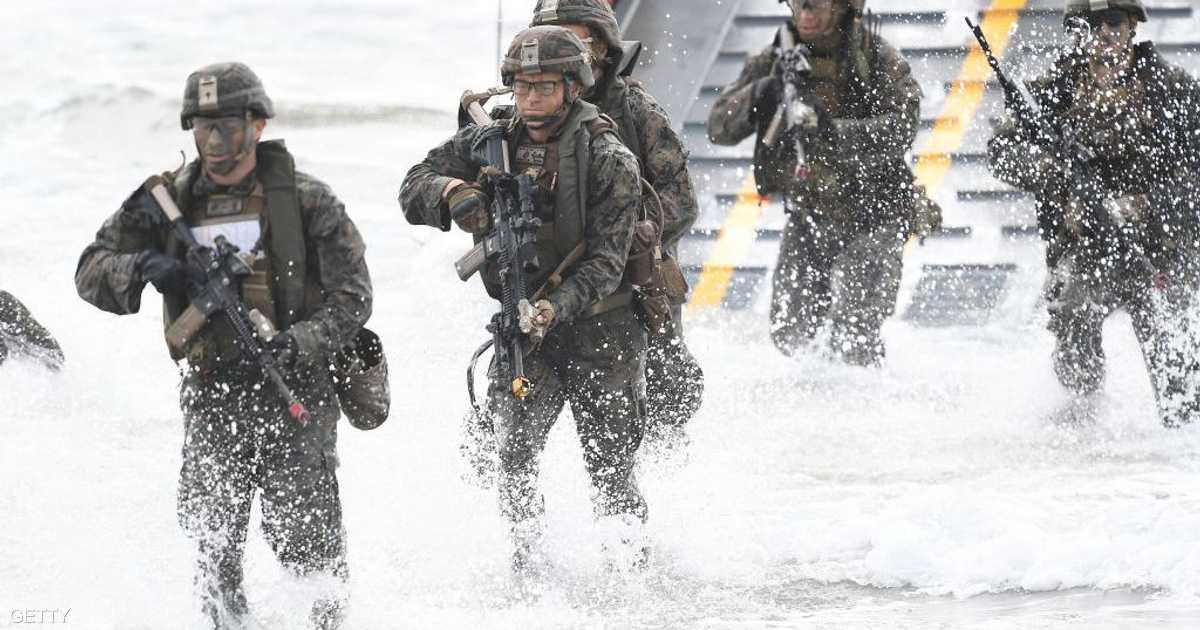
U.S. Fires on Iranian-Flagged Tankers in Strait of Hormuz After Exchanging Fire
11 sources compared
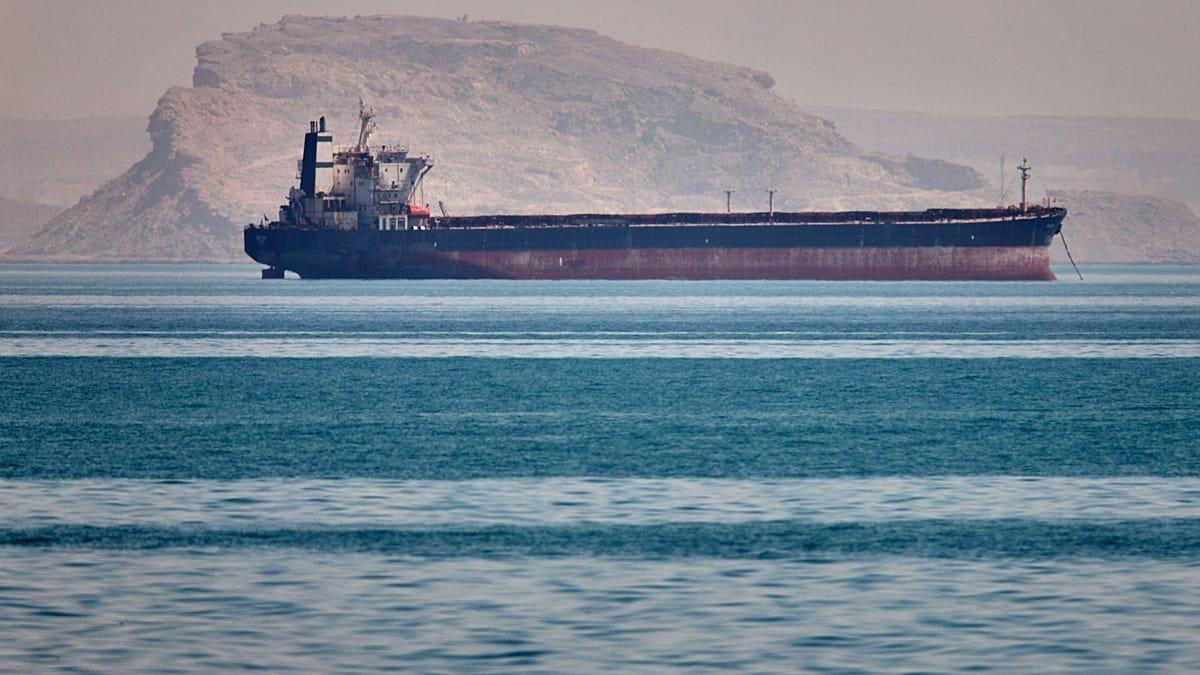
U.S. Fires on Two Iranian-Flagged Tankers Near Strait of Hormuz, Trump Expects Iran Response
17 sources compared
Iran Retaliates After U.S. Attacks Vessels Near Strait of Hormuz, Trump Warns Of More Strikes
18 sources compared
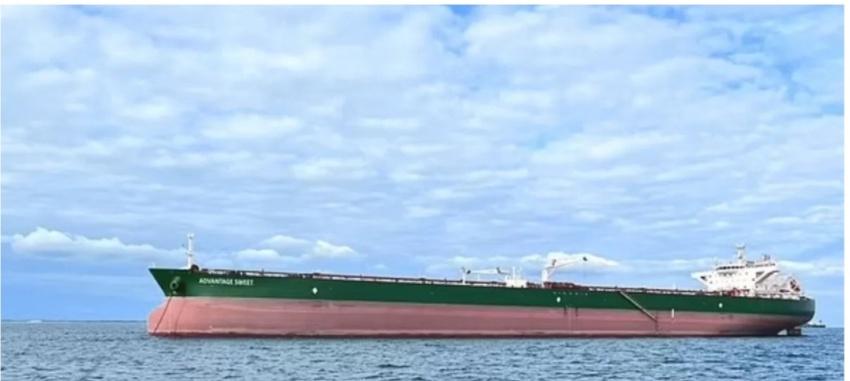
IRGC Navy Seizes Ocean Koi Tanker in Gulf of Oman, U.S. Disables Two Tankers
15 sources compared