Iran11 April, 20261 min read
U.S. And Iran Fail To Reach Peace Deal After 21 Hours Of Talks In Pakistan
This article is an automated aggregation of coverage from news outlets. Our editorials offer in-depth analysis curated by the NewsCord team.
No agreement reached after 21 hours of talks in Islamabad. Iran refused to forgo a nuclear weapon, blocking a bilateral peace deal.
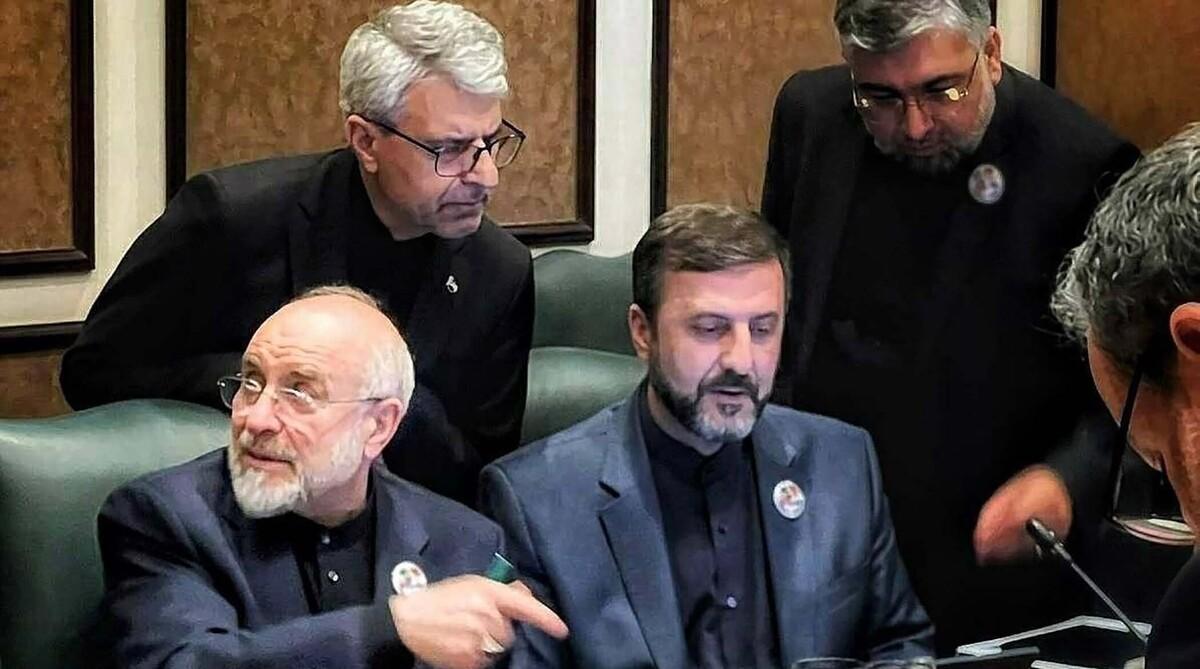
Historic Talks
The United States and Iran engaged in historic face-to-face peace talks in Islamabad, marking the highest-level direct engagement since 1979. The talks extended into a second day after a marathon 21-hour session. The two sides failed to reach an agreement to end the six-week war.
The key sticking point was Iran's refusal to commit not to seek a nuclear weapon. Iran's foreign ministry cited excessive demands from the U.S. The talks also addressed the Strait of Hormuz, which Iran had effectively closed.

Hormuz and Mines
The Strait of Hormuz emerged as a central and contentious issue. Iran had effectively closed the strait during the conflict. The U.S. military announced it was preparing to clear mines from the waterway.
Two Navy destroyers transited the strait as part of the operation. Iran's IRGC threatened to fire on ships that tried to transit without permission. Iran state media described the U.S. demands as unreasonable.

Divergent Narratives
The failure of the talks was framed differently by the two sides. Vance said the U.S. had been quite flexible. Iranian state media blamed excessive demands from the U.S.
The talks included new topics like the Strait of Hormuz and regional issues. Pakistan's foreign minister urged the parties to continue the ceasefire. Israel was not involved in the talks.
Aftermath and Uncertainty
The failure to reach a deal left the ceasefire hanging in the balance. Vance's comments did not indicate what would happen after the ceasefire expired. The Israeli military campaign in Lebanon threatened to derail the truce.
More than a million people had been forced from their homes in Lebanon. Oil and gas prices had risen sharply since the conflict began. The fundamental issues that sparked the war remained unresolved.
