Iran04 February, 20262 min read
U.S. and Iran Hold Oman-Mediated Indirect Talks to Restart Nuclear Negotiations
U.S. and Iranian delegations held Oman-mediated indirect talks in Muscat to restart nuclear negotiations Washington sought to expand agenda to missiles, proxies, and human-rights issues; Iran demanded nuclear-only talks
82 outlets told this the same way.
Drop Site News was read line by line by the Watchdog: 4.9. See the score →
U.S.-Iran Nuclear Talks
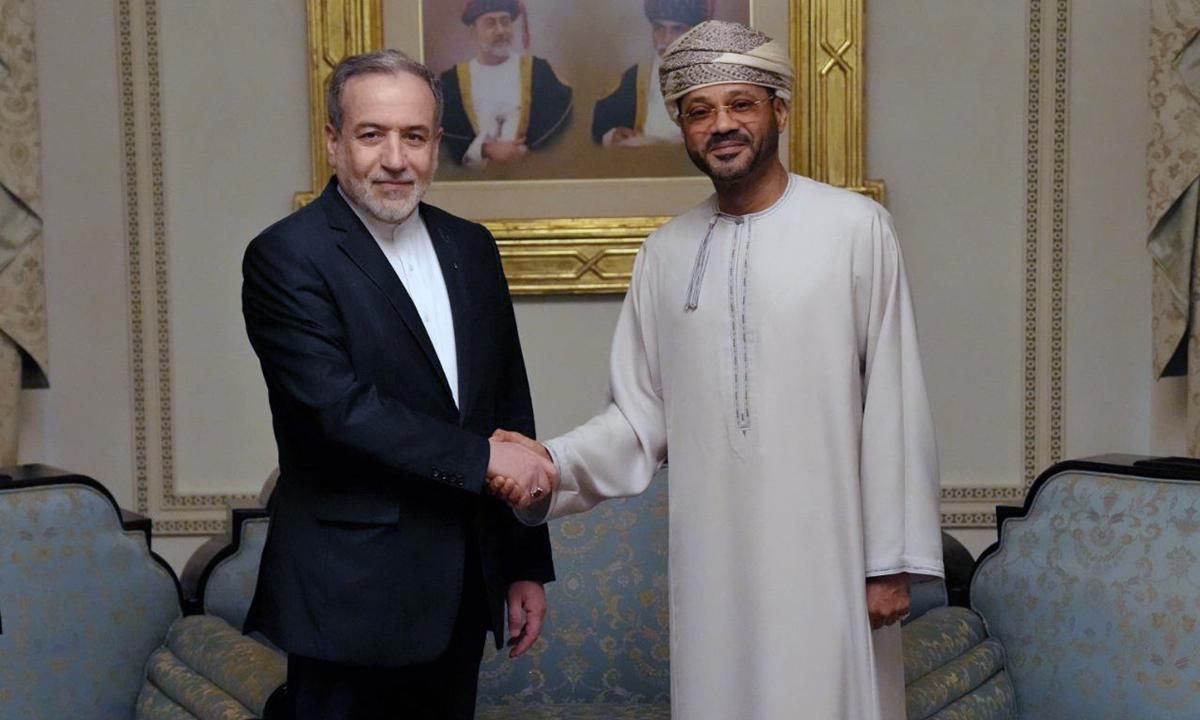
U.S. and Iranian delegations met in Muscat, Oman in a high-stakes, Oman-mediated session to restart indirect nuclear negotiations, ending earlier uncertainty about venue and format. Iran's deputy foreign minister Abbas Araghchi led Tehran's team while U.S. special envoy Steve Witkoff, reportedly joined by Jared Kushner in some accounts, represented Washington.
“Iran and the United States will hold nuclear-related talks in Muscat, Oman, on Friday at 10:00 a.m. local time, ending uncertainty about the venue and format.”
Oman acted as the low-profile mediator after last-minute disputes over Turkey versus Oman. The meeting time was set for a Friday morning (reported as 10:00 a.m. local time in some outlets) and was described by multiple outlets as a narrowly framed, bilateral encounter intended to prepare for broader technical diplomacy if it succeeds.

Dispute over talks' scope
A central and immediate point of contention was the agenda. Washington publicly pushed for talks addressing nuclear enrichment, Iran's ballistic-missile program, support for regional proxy groups, and human-rights concerns.
Tehran insisted sessions remain narrowly focused on the nuclear file and sanctions relief, repeatedly calling missiles and regional issues 'off the table'. U.S. lawmakers and officials urged a broader remit, while Iran's delegation and many West Asian outlets framed the meeting as a bilateral, nuclear-centric engagement intended to protect Tehran's sovereignty over peaceful nuclear activity.
Military Tensions and Domestic Crackdown
The talks took place against a backdrop of heightened military tension and domestic unrest. Several outlets reported an increased U.S. military presence centered on the USS Abraham Lincoln carrier strike group and noted recent incidents, including a U.S. shootdown of an Iranian Shahed-139 drone over the Arabian Sea.
“U.S. Central Command says a U.S. F‑35C shot down an Iranian Shahed‑139 drone over the Arabian Sea, calling the strike ‘self‑defense.’”
Reports also described attempts by Iranian warboats to intercept U.S. vessels, and both sides traded warnings. At the same time, reporting highlighted a severe domestic crackdown in Iran after nationwide protests, which has complicated Tehran's diplomatic flexibility and shaped international pressure.
Iran nuclear disputes
Substantive nuclear technical disputes — enrichment levels, stockpiles and verification — remained core obstacles. Multiple outlets reported Iran had been enriching uranium to about 60% and holding large enriched stockpiles.
The U.S. and some mediators proposed options ranging from returning to 2015 JCPOA limits to temporary halts and third-country storage of enriched material, but analysts and officials were skeptical these measures would bridge fundamental disagreements. U.S. intelligence assessments said Iran had not started a formal weapons program but had taken steps that would shorten a weapons timeline if it chose, underscoring why verification and limits are central.

Oman diplomacy coverage
Observers and reporters widely described the Oman session as fragile and exploratory rather than a breakthrough. Several outlets said the meeting narrowly avoided collapse before it began, and Arab and Muslim mediators lobbied both sides to keep talks alive.
“Analysts say the session could either break the current deadlock and reduce tensions or merely postpone the next crisis, with major implications for Iran’s nuclear trajectory and regional power dynamics.”
Markets reacted to the diplomatic uncertainty, with oil prices moving on headlines, and analysts warned that expanding the agenda or pressing too hard on sensitive security issues could scuttle negotiations. Overall coverage ranged from cautious optimism that diplomacy might reduce escalation risk to skepticism that deep mistrust, domestic politics on both sides, and large technical gaps make a durable agreement unlikely.
