
U.S. And Iran Implement Strait of Hormuz MoU After Central Command Ends Blockade Enforcement
Key Takeaways
- MoU envisions a $300 billion reconstruction fund for Iran.
- Trump denies US will provide the fund or pay Iran.
- MoU has become a Washington political flashpoint, inviting scrutiny over financing.
MoU, blockade, and talks
The U.S. and Iran moved to implement a memorandum of understanding that includes maritime steps around the Strait of Hormuz, after the U.S. Central Command said on Thursday that "American forces are not impeding the transit of vessels to or from Iranian ports on the Persian Gulf and Gulf of Oman" and that "All US military blockade enforcement efforts have ceased."
“A provision in a memorandum of understanding (MoU) to end the US-Israel war with Iran has become the latest political flashpoint in Washington, with President Donald Trump defending the commitment to create a $300bn reconstruction plan for Iran”
Iran’s Supreme National Security Council said commercial vessels seeking passage through the Strait of Hormuz must submit requests to the Persian Gulf Strait Administration through PGSA.ir, and it added that no fees would be charged to applicants for 60 days under the terms of the MoU.

Switzerland said planned talks between the U.S., Iran, Qatar and Pakistan were postponed, with its foreign ministry stating, "The planned talks between the US, Iran, Qatar and Pakistan have been postponed."
The same Switzerland statement said the Swiss remain ready to facilitate negotiations, adding that "The relevant preparatory work at Bürgenstock is continuing," as the U.S. and Iran implement the MoU’s early procedures.
Khamenei shifts responsibility
In his first message after the signing of the MoU, Mojtaba Khamenei said he authorized the agreement only after President Masoud Pezeshkian, as head of the Supreme National Security Council, accepted responsibility for safeguarding Iran’s national rights and the interests of the “Resistance Front.”
Khamenei accused the U.S. President Donald Trump of acting “out of desperation” and using “all kinds of leverage” to secure the deal, while also saying, “He also made clear that if the American side seeks excessive demands, they will not accept them,” in the same message.
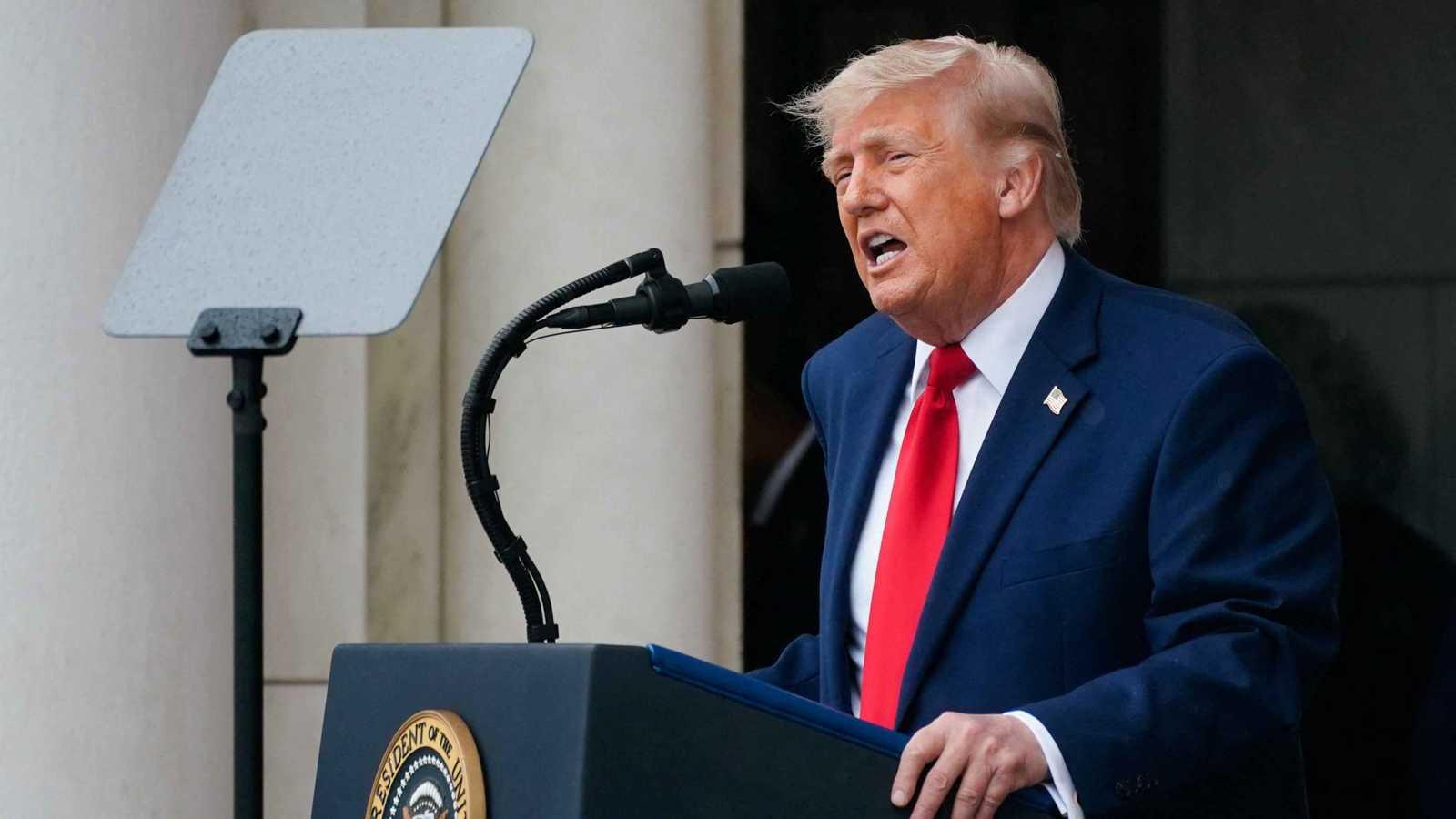
Trump’s team and U.S. officials also framed the MoU as not involving U.S. funding, with Fox News reporting Trump defended the handling of the war with Iran and suggested the new arrangement amounted to an “unconditional surrender” he had sought.
As the implementation proceeds, Iran’s Supreme National Security Council said ships must pass through the strait at the assigned time and along the assigned route to ensure safe transit and prevent maritime incidents, while the U.S. kept naval ships in the area to monitor compliance.
$300bn fund becomes flashpoint
A $300bn reconstruction and economic development plan for the Islamic Republic of Iran has become a political flashpoint in Washington, with Al Jazeera saying Trump defended the commitment to create a $300bn reconstruction plan for Iran.
“The president of the United States, Donald Trump, on Friday (the 19th) rebutted statements by Iran's Supreme Leader that he acted in desperation when signing an agreement to end the conflict in the Middle East, and said that the regime in the Persian country would not receive a single cent, even though the agreement provides financial compensation to Tehran”
Trump and Vice President JD Vance sought to reassure that the commitment would not be funded by US taxpayers, and Al Jazeera quoted Trump’s Truth Social post: “There is no 300 Billion Dollar payment to Iran by the U.S. That’s Fake News!”
Al Jazeera also reported that Vance said the plan will not be “paid for by American taxpayers,” and it noted that no countries had yet confirmed financial commitments to the plan.
Forbes and USA Today both described the same $300bn figure as tied to the MoU text, with Forbes saying the agreement calls for the U.S. and its Gulf partners to “develop a definitive, mutually agreed plan with at least $300 billion for the reconstruction and economic development of the Islamic Republic of Iran,” while USA Today raised questions about which countries or private entities would cover the costs.
More on Iran
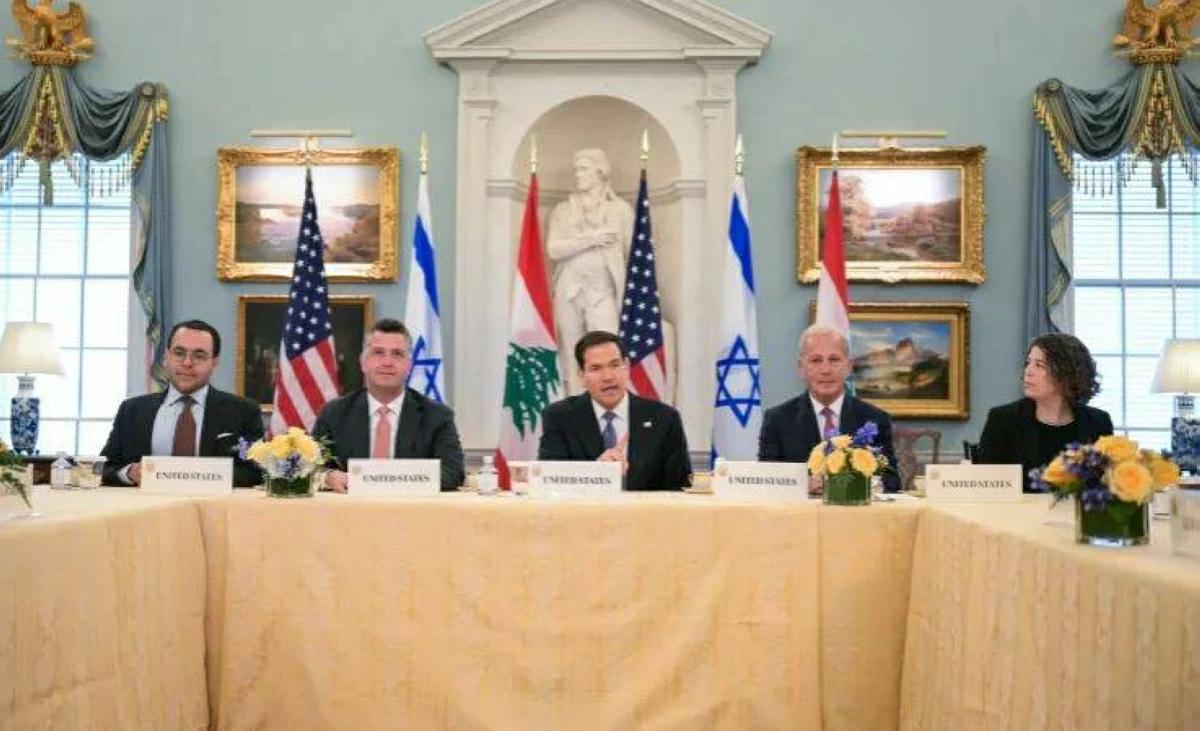
Israel and Hezbollah Agree Ceasefire After Lebanon Airstrikes Killed 47
12 sources compared

Israel And Hezbollah Ceasefire Delays U.S.-Iran Talks In Switzerland, Swiss Foreign Ministry Confirms
12 sources compared

Congress Could Block Donald Trump’s Iran MOU Sanctions Waivers Under INARA
12 sources compared

Iran’s Leaders Back US-Iran Memorandum Red Lines as Switzerland Talks Postponed
21 sources compared