U.S. And Iran Near Temporary Ceasefire As Pakistan Seeks Permanent Truce
Key Takeaways
- Pakistan hosts direct US-Iran discussions, first since the war began.
- US and Iran near a temporary ceasefire with potential permanent agreement.
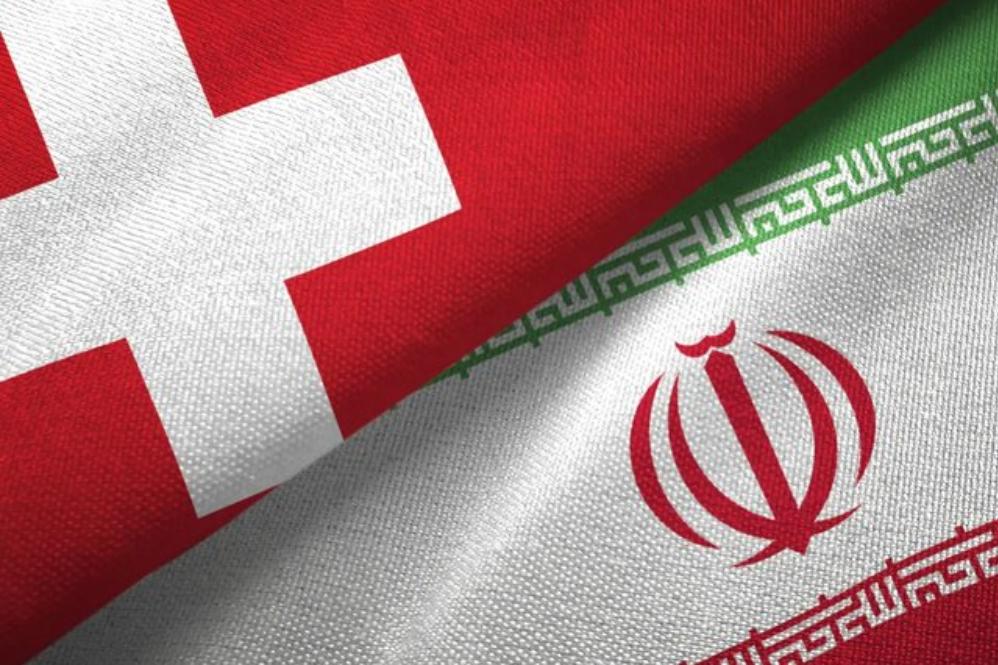
- Qatar and Switzerland ready to host or facilitate US-Iran talks.
Temporary truce nears
The United States and Iran are close to a limited, temporary ceasefire agreement, Reuters reported on May 7, citing sources, while “deep divisions” remain between the parties over key issues.
Reuters said negotiators are working on a temporary agreement aimed at preventing a return to full-scale conflict and stabilizing shipping through the Strait of Hormuz, with the proposed structure unfolding in three phases.

Dawn reported that Pakistan’s Deputy Prime Minister and Foreign Minister Ishaq Dar said the indefinitely extended ceasefire could be made permanent, adding that “At least the deaths of several hundred people a day — with the toll going into the thousands — has stopped.”
Dawn also said Dar told the Ulema Council Conference in Islamabad that Pakistan’s efforts were directed toward securing direct negotiations and a ceasefire, describing the process as “first it happened, then it was extended, then extended a second time, then a third time”.
Mediation and competing signals
Pakistan’s mediation and regional diplomacy were central to the push for a temporary deal, with The Guardian saying officials in Islamabad claimed a very basic “interim” deal could be reached as early as this weekend and that Tehran was reviewing a US proposal.
The Guardian also quoted a diplomat in Islamabad with knowledge of the negotiations saying, “Both sides are now more amenable to suggestions, the distance between their proposals is reducing,” as the talks swung between hope and despair.

Dawn said Dar told the Ulema Council Conference that Pakistan “played its full part” from February 28 until today in its response to the conflict, and he contrasted it with indirect negotiations facilitated by Oman.
In parallel, Anadolu Ajansı reported that Qatar’s Prime Minister Mohammed bin Abdulrahman Al Thani discussed with Pakistan’s Shahbaz Sharif the path of talks between Washington and Tehran, urging all parties to respond to mediation efforts.
Shipping, uranium, and next steps
The stakes for shipping and nuclear negotiations were explicit in the reporting, with The Guardian saying the possibility of even a partial agreement that could lead to the reopening of the strait of Hormuz sent global stocks to near-record highs as oil prices dropped steeply.
The Guardian also said Trump insisted that under any deal Tehran would “export” its highly enriched uranium, and it added that experts say Iran cannot accept that demand.
The New Voice of Ukraine | Local Western reported that differences persist over Iran’s nuclear program, including the fate of its stockpile of highly enriched uranium and the timeline for stopping nuclear activities, even as ambitions for a comprehensive settlement were scaled back.
Dawn said Dar argued that Pakistan’s efforts were now geared towards turning the ceasefire into a “permanent end to the war,” while it also stated that the Strait of Hormuz and Iranian ports both remain blocked.
More on Iran
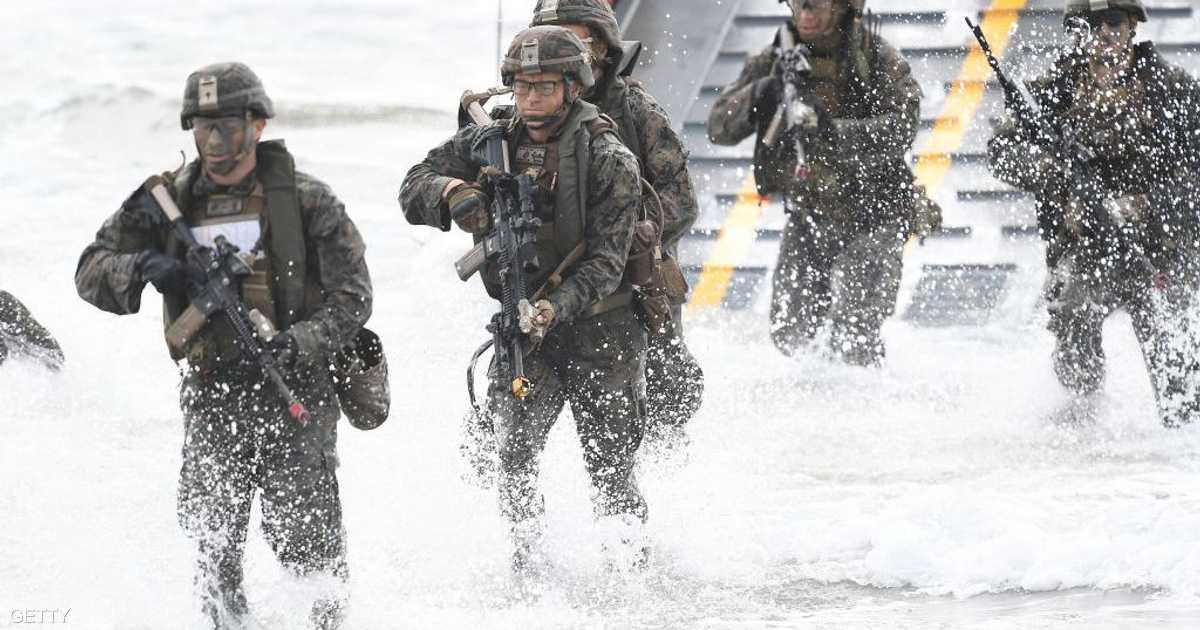
U.S. Fires on Iranian-Flagged Tankers in Strait of Hormuz After Exchanging Fire
11 sources compared
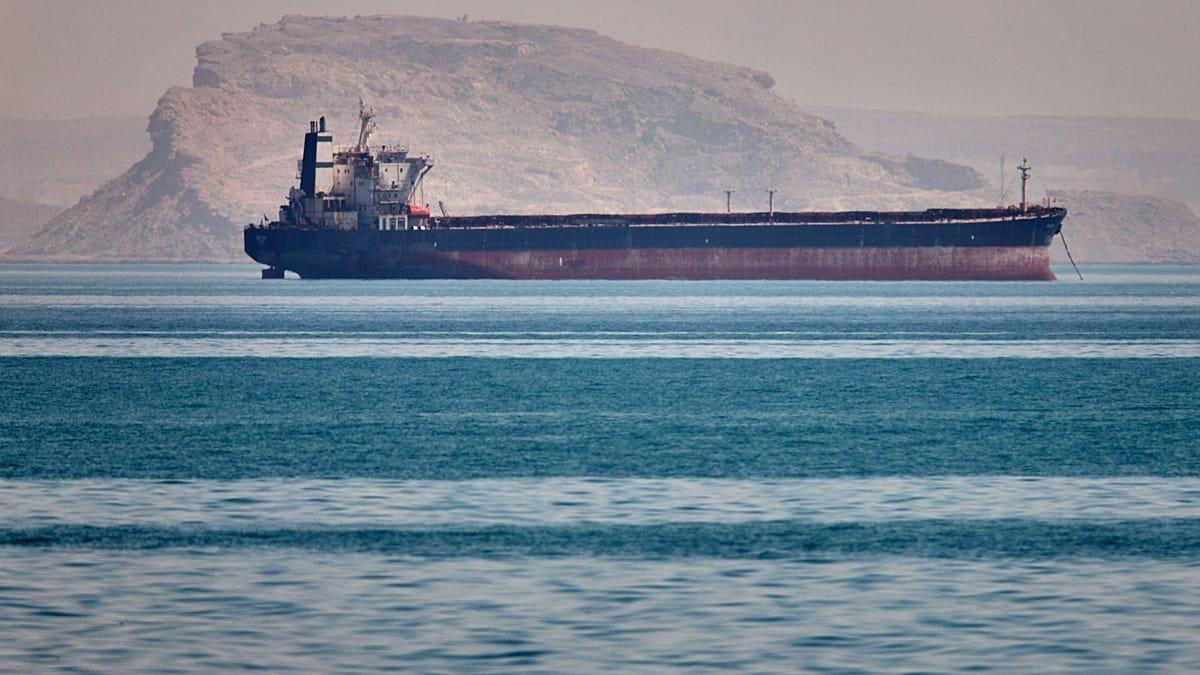
U.S. Fires on Two Iranian-Flagged Tankers Near Strait of Hormuz, Trump Expects Iran Response
17 sources compared
Iran Retaliates After U.S. Attacks Vessels Near Strait of Hormuz, Trump Warns Of More Strikes
18 sources compared
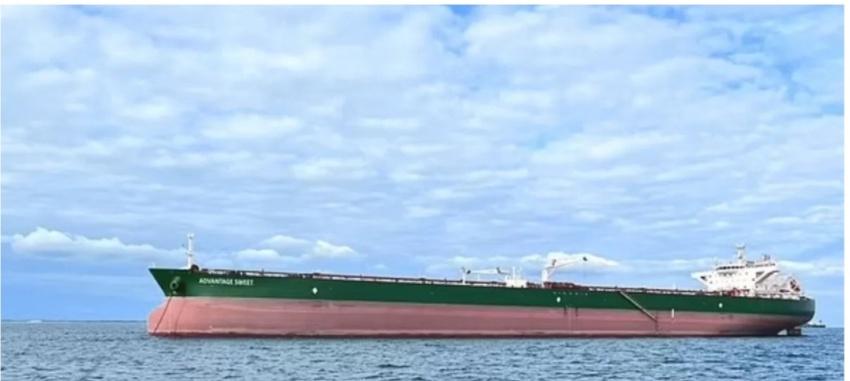
IRGC Navy Seizes Ocean Koi Tanker in Gulf of Oman, U.S. Disables Two Tankers
15 sources compared