
U.S. And Iran Negotiate 60-Day Ceasefire Extension And New Nuclear Talks
Key Takeaways
- Tentative MOU extends ceasefire by 60 days and starts talks to end the war.
- Final approval pending from Trump; reports indicate stalled progress.
- Negotiations continue via international channels, with the draft largely negotiated.
Tentative MoU, 60 days
U.S. and Iranian negotiators reached a tentative agreement to extend the ceasefire in the 3-month-old war by 60 days and start a new round of talks on Iran's nuclear program, according to a U.S. official familiar with the matter.
“The United States and Iran have reached a preliminary memorandum of understanding (MOU) to extend the ceasefire between the two countries for 60 days and start negotiations for permanently ending the war, according to officials”
Vice President JD Vance confirmed there was a tentative agreement but said, "It's hard to say exactly when or if the president's going to sign," while he said negotiators were "going back and forth on a couple of language points."

The emerging memorandum makes clear that Iran will not be able to impose tolls on the Strait of Hormuz and that Iran will have to remove all mines from the vital waterway within 30 days, according to the official.
The deal framework also envisages that the U.S. would gradually lift its naval blockade on Iranian ports and relax sanctions to allow Iran to sell more of its oil, while the U.S. Treasury imposed additional sanctions on the Iranian military's oil sales arm.
Under the tentative agreement, one of the first issues to be negotiated during the 60-day ceasefire is what will happen to Iran's highly enriched uranium, with Iran having 440.9 kilograms of uranium enriched up to 60% purity, according to the International Atomic Energy Agency.
Approvals still pending
The Jerusalem Post reported that Mojtaba Khamenei has not approved a drafted 60-day memorandum of understanding with the US, which is why President Donald Trump has also not agreed to a deal, citing a source familiar with the matter.
The Jerusalem Post also said the MoU draft outlines an Iranian commitment not to pursue the development of a nuclear weapon and that the top priority for discussions during the 60-day period will be the removal of Iran’s enriched uranium.

Al Jazeera reported that the framework still needs President Donald Trump’s final approval and that the White House confirmed the report to Al Jazeera, while Tasnim denied that the MoU text had been finalized and said that if the text is indeed finalised, Iran will announce the matter to the Pakistani mediator.
CNN described the MoU as taking a very long time to finalize because language and sequencing is everything, quoting US Secretary of State Marco Rubio saying, "We have to have a diplomatic solution that is very clear on the topics they are willing to negotiate on."
CNN also reported that on Friday President Donald Trump made demands on the Strait of Hormuz, Iran’s nuclear program and the unfreezing of Iranian assets held overseas, which a semi-official Fars news agency said were "a mixture of truth and falsehood" and an attempt to project a "manufactured victory."
Hormuz, sanctions, uranium
Both sides regard agreement on navigation through the Strait of Hormuz as a first step after three months of paralysis in the critical waterway, with Trump saying, "The Hormuz Strait must be immediately open, no tolls, for unrestricted shipping traffic, in both directions."
CNN reported that Iran would allow shipping through the strait to return to pre-war levels over a period of 30 days, according to some accounts of the MoU, while Ebrahim Azizi, head of the Iranian parliament’s National Security Commission, said, "Iran’s control measures and arrangements in the Strait of Hormuz are permanent in nature and certainly not temporary."
CNN also said as of May 29, 115 commercial vessels have been redirected to ensure no commerce enters or leaves Iranian ports, citing U.S. Central Command, and it quoted Mohsen Rezaei, an adviser to Supreme Leader Mojtaba Khamenei, saying, "By continuing the naval blockade and making excessive demands in negotiations, he has once again proven that he is not inclined toward negotiation."
On the nuclear file, CNN said the clock starts ticking only when the MoU is signed for a 60-day negotiation period to address Iran’s nuclear program, including the fate of its stockpile of highly enriched uranium.
PBS reported that the memorandum makes clear Iran will have to remove all mines from the Strait within 30 days and that the first official said the 60-day ceasefire would include negotiations over what will happen to Iran’s highly enriched uranium, with Iran having 440.9 kilograms enriched up to 60% purity.
More on Iran
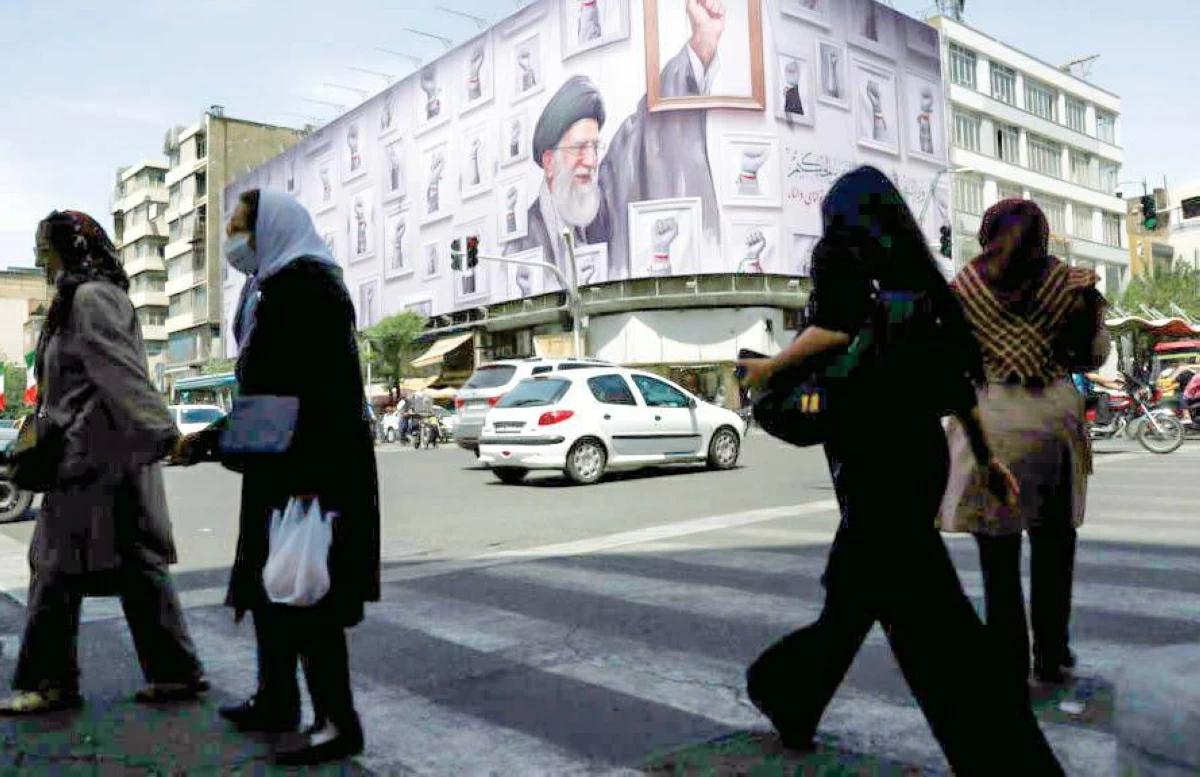
Pete Hegseth Threatens To Restart US Strikes Against Iran If No Deal Reached
10 sources compared
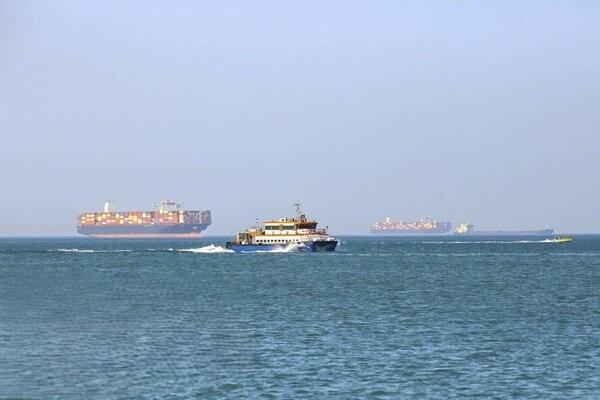
Qatar Rejects Permanent Strait Of Hormuz Toll, Says Temporary Fee Negotiable At Shangri-La Dialogue
12 sources compared
Iran’s Armed Forces Exercise Full Authority Over Strait of Hormuz, IRGC Navy Demands Route Permissions
15 sources compared

Greek National Ioannis Aidinidis Charged With Assisting Iran Targeting UK Journalist
11 sources compared