U.S. And Iran Peace Talks Stall As Donald Trump Meets Putin Via Abbas Araghchi
Key Takeaways
- US-Iran peace talks stall after Washington cancels planned talks in Islamabad.
- Iran’s top diplomat Abbas Araghchi travels to Russia to meet Putin amid stalemate.
- Oil prices rise as stall prolongs tensions between US and Iran.
Stalemate, talks stall
A U.S.-Iran peace process has stalled again, leaving Tehran and Washington in what the New York Times Chinese site described as “an awkward standstill that is neither war nor peace.”
“Toggle Play Hundreds of Israelis rally as US-Iran peace talks stall Crowds of protesters took to the streets of Tel Aviv on Sunday, amid fears the US-Israeli war on Iran will resume”
Erika Solomon’s report says both sides are “hoping to outlast the other,” with analysts warning that if there is “no momentum in the negotiations,” Iran and the United States remain under “the threat of attacks by the United States and Israel.”

The same report points to a “strategic stalemate” described in Iran’s conservative newspaper Khorasan, warning that “This state “may be more dangerous than the short-term war itself.”
CNN reports that U.S. President Donald Trump planned to meet with top national security officials after peace talks with Iran stalled over the weekend, while Trump defended canceling envoys’ trip to Pakistan and reiterated the war could “come to an end very soon.”
The BBC similarly tied the latest market reaction to “plans for a second round of peace talks between the US and Iran stalled again,” noting that Brent rose by nearly 2% to $107.26 a barrel on Monday.
In parallel, diplomacy continued through intermediaries and third-country stops, with CNN saying Iranian Foreign Minister Abbas Araghchi was in Russia for a meeting with President Vladimir Putin after meetings in Pakistan and Oman.
What led to the breakdown
The stalling of talks is tied in the reporting to a sequence of cease-fire dynamics, canceled travel, and competing conditions for engagement.
The New York Times Chinese site says efforts to restart cease-fire talks, “mediated by Pakistan,” have been “intermittent,” and it links the current pause to “early this month when U.S.-Israel airstrikes against Iran ended in a cease-fire.”
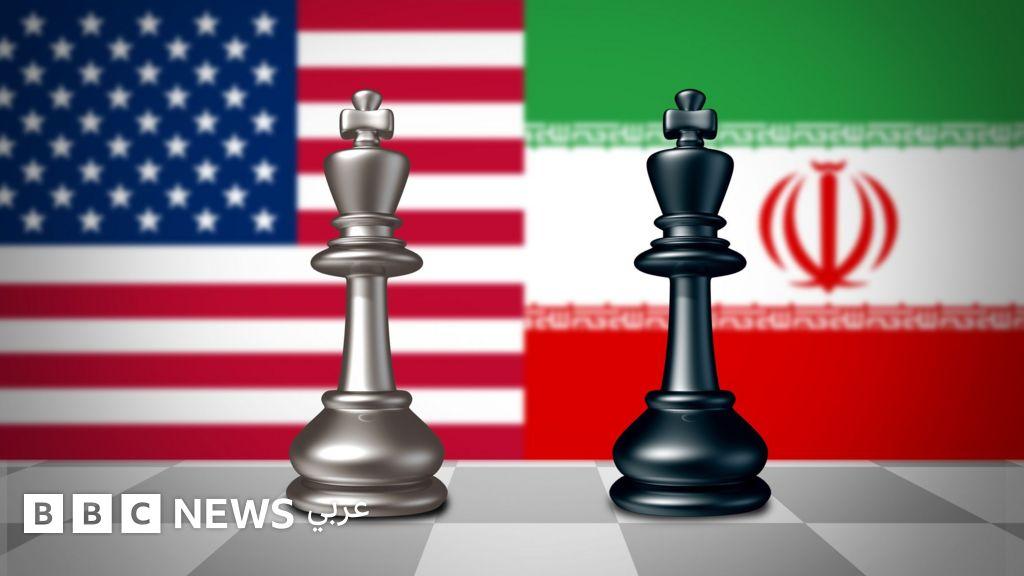
It adds that on Saturday, President Trump canceled plans to send Special Envoy Steve Vitkov and his son-in-law Jared Kushner to Islamabad for a second round of cease-fire talks, with Trump saying the Iranians would “only waste the negotiators’ time.”
CNN likewise reports that Trump scrapped the envoys’ trip to Pakistan after peace talks stalled, and it says Trump defended the cancellation by telling reporters Iranian authorities “can call” if they want.
The Jerusalem Post frames the same cancellation as a setback to reviving peace efforts, saying “Hopes of reviving peace efforts receded on Saturday when Trump scrapped a visit to Islamabad by his envoys Steve Witkoff and Jared Kushner.”
Against that backdrop, the New York Times Chinese site says Iranian officials “insist that they will not engage in direct talks until Trump lifts the maritime blockade of Iranian ports that followed agreeing to the cease-fire.”
Red lines, proposals, and diplomacy
As the talks stall, multiple reports describe a diplomatic shuttle and competing proposals focused on the Strait of Hormuz and nuclear issues.
“Oil prices rise as US-Iran peace talks stall Oil prices have risen after plans for a second round of peace talks between the US and Iran stalled again”
CNN says Iranian Foreign Minister Abbas Araghchi is in Russia ahead of a meeting with President Vladimir Putin, after meetings in Pakistan and Oman, and it reports that Araghchi gave Pakistani officials a list of “red lines” including “nuclear issues and the Strait of Hormuz.”
CNN also says the Iranians have put forward a new proposal that would reopen the Strait of Hormuz but leaves the state of talks on key U.S. demands unclear, and it reports that the proposal would reportedly require Washington to first end the war and provide guarantees it would not resume.
The same CNN report says negotiations over navigation through the strait and Iran’s nuclear program would only come in later stages, with Al Mayadeen reporting that “If an agreement is reached, the process will move to the second phase to discuss how to manage the Strait of Hormuz after the end of the war.”
The BBC adds that Araghchi arrived in St Petersburg “with the aim of meeting and holding talks with Russian President Vladimir Putin,” and it quotes Araghchi on social media: “Our focus included ways to ensure safe transit that is to benefit all dear neighbors and the world. Our neighbors are our priority.”
In parallel, Trump publicly framed the negotiation channel as direct and conditional, telling Fox News that “If they want to talk, they can come to us, or they can call us. You know, there is a telephone.”
Markets react to uncertainty
The stalled diplomacy is closely linked in the reporting to oil price moves and broader economic risk.
CNN says Brent crude is “still well above $100 a barrel and hovering around a three-week high,” and it reports that oil prices rose after peace talks stalled over the weekend.

The BBC gives a specific figure, saying Brent rose “by nearly 2% to $107.26 (£79.13) a barrel on Monday,” and it ties the pressure to the strait being “effectively closed by the conflict.”
CNBC similarly reports that oil prices “inched higher Monday,” with Brent futures for June rising around 1% to $106.55 per barrel and U.S. crude for June adding 0.88% to $95.23 per barrel.
The Guardian’s business live coverage says Goldman Sachs raised its oil price forecast, estimating Brent crude would trade at “about $90 a barrrel in the last quarter of this year,” up from “$80,” and it attributes the upgrade to “lower Persian Gulf production.”
In a separate market-focused report, Gotrade says Brent rose “2.3% to $107.73 per barrel” while WTI traded near $96, and it frames the Strait of Hormuz as “shut, choking one-fifth of global oil supply.”
Consequences and competing narratives
The reporting also shows how different outlets frame the same diplomatic standoff, with some emphasizing political signaling and others emphasizing economic and security consequences.
“Global markets are entering the week balancing a resilient risk appetite against renewed geopolitical strain as prospects of U”
The New York Times Chinese site describes a “strategic stalemate” and quotes Khorasan’s warning that “This state “may be more dangerous than the short-term war itself,” while it also says analysts believe Iranian officials are “confident they can endure the economic pain of war longer than President Trump.”

CNN, by contrast, emphasizes the mechanics of negotiation and the positions being carried between countries, including Araghchi’s “red lines” and the White House statement from assistant press Secretary Olivia Wales that “The U.S. will not negotiate through the press.”
The BBC focuses on the energy and consumer impact, quoting Sophie Huynh of BNP Paribas saying the closure could affect everything from “bin bags to medicine,” and it adds that if the strait remains closed for more than a few weeks, effects could be “really far reaching in terms of supply chain.”
The Jerusalem Post foregrounds Trump’s direct messaging, including his claim that “They know what has to be in the agreement. It’s very simple: They cannot have a nuclear weapon,” and it also reports that Iran’s President Masoud Pezeshkian told Shehbaz Sharif that Tehran would not enter “imposed negotiations” under threats or blockade.
Al Jazeera shifts the lens to public reaction, reporting “Hundreds of Israelis rally as US-Iran peace talks stall” in Tel Aviv amid fears the “US-Israeli war on Iran will resume.”
More on Iran
Iran Offers U.S. Deal To Reopen Strait of Hormuz, End War, Postpone Nuclear Talks
11 sources compared
Oil Prices Rise as US-Iran Peace Talks Stall, Strait of Hormuz Tensions Grow
13 sources compared

King Charles III and Queen Camilla Begin Four-Day US State Visit With Trump Tea
10 sources compared

Oil Prices Rise as US-Iran Peace Talks Stall and Strait of Hormuz Remains Constrained
14 sources compared