Iran16 February, 20262 min read
US and Iran Prepare Second Round of Nuclear Talks in Geneva
Oman-mediated, indirect U.S.–Iran nuclear talks resume in Geneva for a second round. Iran met the IAEA’s Rafael Grossi for technical, preparatory discussions in Geneva ahead of talks.
43 outlets told this the same way.
Oman-mediated U.S.–Iran talks
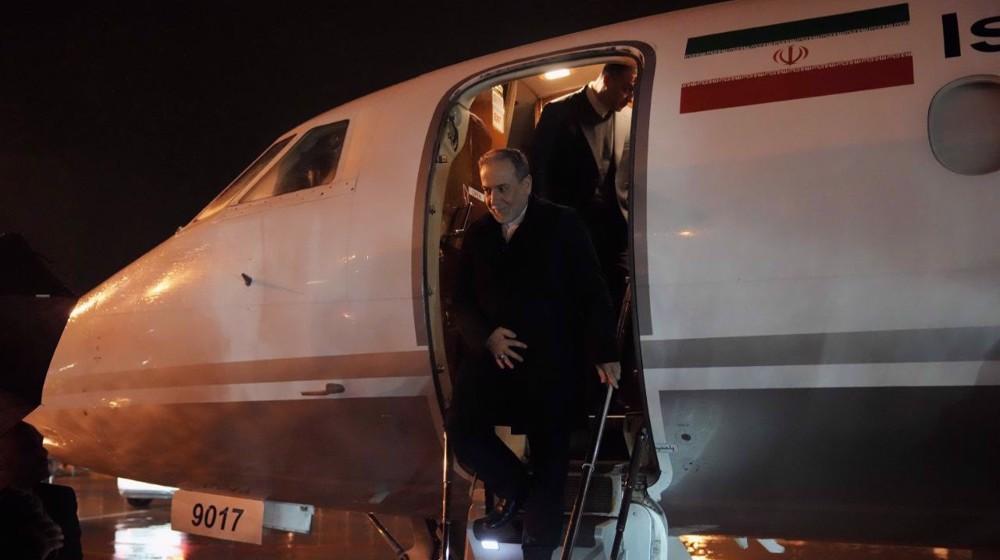
Diplomatic contacts between the United States and Iran have resumed with a second round of indirect, Oman-mediated talks taking place in Geneva. Iran’s chief negotiator Abbas Araghchi arrived in Geneva for the talks and held preparatory meetings. Those meetings included discussions with International Atomic Energy Agency director Rafael Grossi and Omani and Swiss officials.
“Iran’s chief negotiator Abbas Araghchi arrived in Geneva for a second round of indirect, Oman-mediated talks with U.S. counterparts amid a broader nuclear standoff and heightened regional tensions.”
Negotiators seek to head off a wider confrontation over Iran’s nuclear programme. Multiple outlets report the Geneva round follows an earlier session in Muscat and involves technical and political discussions ahead of broader negotiations. The talks are explicitly described as indirect U.S.–Iran contacts mediated by Oman and include meetings with IAEA experts to discuss monitoring and verification measures in preparation for the negotiations.
Iran negotiation priorities
Iran's negotiating posture as reported across outlets centers on sanctions relief and tangible economic benefits as preconditions for limits on enrichment. Multiple sources say Tehran seeks 'real and usable' release of frozen assets and mutual economic incentives in sectors such as aviation, mining and oil and gas.
Sources say Iran has signalled limited willingness to compromise on uranium, for example diluting 60% enriched material, but firmly rejects a demand for zero domestic enrichment. Iranian officials and deputy ministers are quoted saying sanctions relief and economic reciprocity are central to any deal.

U.S. role in talks
Outlets report U.S. participation and objectives differently, but multiple sources confirm Washington has sent senior envoys. Reports name Middle East envoy Steve Witkoff and Jared Kushner among U.S. delegates. American officials want the negotiations widened to cover ballistic missiles and Iran’s regional activities alongside nuclear constraints.
“Washington has sent Middle East envoy Steve Witkoff and Jared Kushner.”
U.S. statements quoted in some outlets reiterate that any satisfactory agreement should curb enrichment capability and address missiles. U.S. officials also describe a simultaneous diplomatic and military posture.
Military tensions and diplomacy
Reporting across outlets highlights heightened military tensions alongside diplomacy. U.S. officials have dispatched an additional aircraft carrier and other forces to the region. Iran has staged naval drills and threatened to close the Strait of Hormuz.
Outlets present these moves as leverage and deterrence on both sides. Several sources tie the renewed diplomacy to a 'dual track' of negotiation plus military pressure. They describe the U.S. deployment as signalling readiness for a prolonged campaign if talks fail.

Uranium verification and scepticism
Technical verification problems, unknown uranium locations, and scepticism about a final deal appear across reporting. The IAEA has pressed Iran for information on enriched uranium and inspections. Several outlets cite missing or unverified stocks, with figures varying between 'about 970 pounds' and 'roughly 400 kg of 60% enriched uranium'.
“The IAEA has pressed Iran to account for about 970 pounds of highly enriched uranium and to restore inspections at Natanz, Fordow and Isfahan.”
Israeli officials and other commentators express doubts that a deal could meet demands to dismantle enrichment infrastructure. Coverage ranges from cautious hope for 'mutual benefits' to statements that important verification and political hurdles remain.
