Iran26 February, 20263 min read
US and Iran Resume Geneva Nuclear Talks as Trump Threatens Military Strike
This article is an automated aggregation of coverage from news outlets. Our editorials offer in-depth analysis curated by the NewsCord team.
U.S. and Iran resumed indirect nuclear talks in Geneva, brokered by Oman Trump threatened military strike while United States increased regional military deployment

9 outlets told this the same way.
Outlets did split on Iran Reviews US Negotiation Proposals As Pakistan And Qatar Mediate Strait Of Hormuz Dispute →
US–Iran Geneva talks
Diplomatic talks between the United States and Iran have resumed in Geneva as indirect negotiations proceed under Omani mediation. US Special Envoy Steve Witkoff and Jared Kushner are set to meet Iran’s Deputy Foreign Minister Abbas Araghchi after earlier Geneva discussions. President Trump has publicly threatened military action in parallel to the diplomacy.
“Plans for indirect talks between the US and Iran — with US Special Envoy Steve Witkoff and Jared Kushner set to meet Iran’s Deputy Foreign Minister Abbas Araghchi under Omani mediation by Foreign Minister Badr Albusaidi — follow Geneva discussions last week.”
The Arab Weekly reports the planned indirect talks and Omani mediator role, noting they 'follow Geneva discussions last week.' The Arab Weekly also records President Trump's State of the Union language accusing Tehran of 'sinister nuclear ambitions,' a claim Iran called 'big lies.' CBS News describes Trump as having 'repeatedly threatened military strikes on Iran' and deploying 'the largest U.S. military buildup in the Middle East in decades,' framing the diplomacy as taking place alongside coercive pressure.
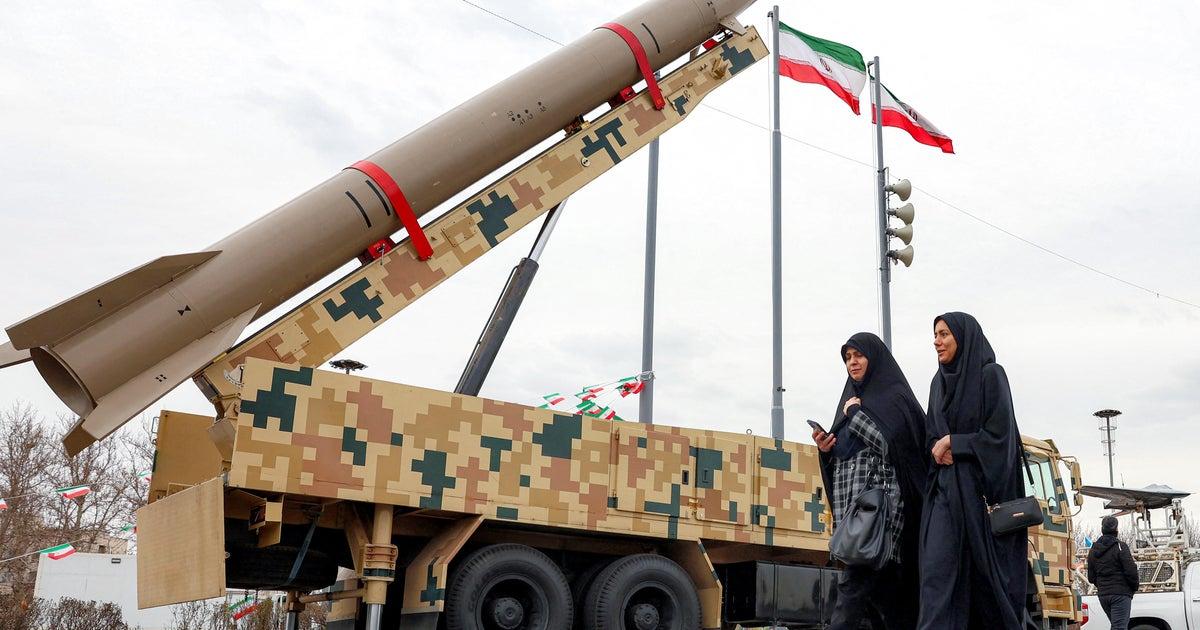
Middle East Eye adds that Iran, via Omani mediators, presented a proposal meant to gauge US 'seriousness,' underscoring that both sides are engaging with caution. Citations below summarize these overlapping developments from multiple perspectives.
U.S. pressure on Iran
The US is applying both coercive and diplomatic levers: Trump has publicly warned Iran of military consequences while also saying he prefers diplomacy, leaving the prospect of force ambiguous. CBS News reports he has 'repeatedly threatened military strikes' and 'ordered the largest U.S. military buildup in the Middle East in decades,' while noting he 'prefers diplomacy but is prepared to use force.' The Independent records a hard deadline-style warning that Trump told Iran it had 10–15 days to reach a deal or face 'really bad things'.
The US Treasury announced sanctions on more than 30 people and entities, a move also highlighted by Middle East Eye. The Arab Weekly reports US intelligence assessments and CRS estimates on missile ranges and notes Iran's dismissal of those claims as 'big lies'. Together the sources portray a mix of pressure, sanctions and continued negotiation, with experts consulted about the slim but uncertain chances of an agreement.

Tehran's diplomatic posture
Tehran's public posture in the coverage is conciliatory on process but defensive on capabilities. Iranian officials, as reported by Middle East Eye, denied plans to develop nuclear weapons and called missiles defensive, invoking Supreme Leader Ayatollah Khamenei's ban on WMDs. The Independent reports Tehran has reportedly offered concessions — including seeking recognition of its right to enrich uranium — in exchange for sanctions relief.
“Iranian officials defended their missiles as defensive and denied plans to develop nuclear weapons, citing a ban on WMDs by Supreme Leader Ayatollah Khamenei.”
Middle East Eye also notes Iran used Omani channels to present a proposal meant to gauge US 'seriousness,' and that Iranian state media warned rejecting it would make US diplomacy appear insincere. The Arab Weekly records Tehran 'struck a more upbeat tone' about talks, highlighting an outward willingness to engage despite the broader pressure environment.
Sanctions and energy stakes
Sanctions, energy and broader geostrategic stakes frame much of the coverage. Multiple sources note the US Treasury’s recent package targeting "more than 30" people and entities accused of enabling Iran’s petroleum sales and weapons programs, a measure flagged by Middle East Eye and The Independent. Middle East Eye adds that Iran reportedly discussed offering US investments in its gas and oil sector as part of outreach, citing Venezuela as a model.
The Arab Weekly and CBS provide complementary security and technical context, from missile-range estimates to the IAEA’s raising questions about US strike claims. This mixture of economic leverage, potential commercial proposals and security signaling illustrates why negotiators remain deeply divided over sequencing sanctions relief versus verifiable commitments.

Diplomatic talks and uncertainty
Outcomes remain uncertain and sources present ambiguity. CBS News says it consulted experts to assess the chances of an agreement and notes Trump 'has given no clear indication he will or will not act.' Middle East Eye quotes a senior US official saying a commercial offer was 'never discussed' and frames Iran’s mediated submission as a probe of US seriousness.
“A senior US official said no commercial offer from Iran has been made to Washington—‘this was never discussed’—and reiterated President Trump’s stance that Iran must not have a nuclear weapon or the capacity to build one.”
The Independent stresses negotiators remain deeply divided over the scope and sequencing of sanctions relief and reports IAEA chief Rafael Grossi is expected in Geneva to hold parallel talks. Collectively, the coverage shows an active diplomatic track shadowed by sanctions and threats, with significant disagreement among sources about what has actually been offered and how imminent military action might be.
