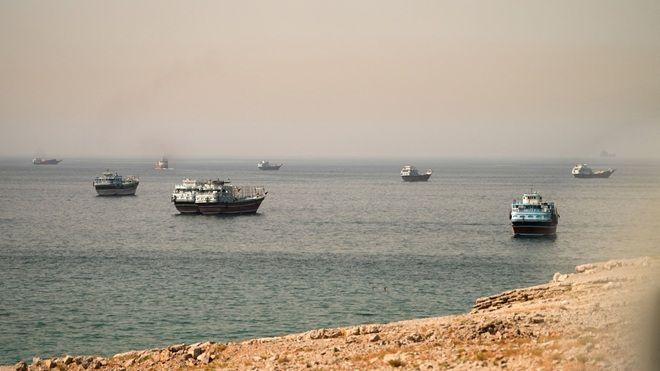
U.S. and Iran Sign Memorandum to Reopen Strait of Hormuz; Switzerland Talks Postponed
Key Takeaways
- A memorandum guarantees toll-free passage through the Strait of Hormuz for 60 days.
- Vessels must submit transit requests 48 hours before arrival during the window.
- Iran imposes mandatory insurance for Hormuz transit; fees likely after the 60-day window.
Deal signed, talks delayed
The United States and Iran signed a preliminary memorandum of understanding to reopen the Strait of Hormuz and initiate broader direct negotiations, but planned follow-up talks in Switzerland were postponed after Vice President JD Vance’s trip was put off.
“Iran says no Hormuz transit fees during 60-day negotiation window with US [](https://subscribe”
CBS News said Switzerland announced Friday that planned talks following up on the deal to end the Middle East war had been postponed, and the Swiss foreign ministry added, "Switzerland remains ready to facilitate these talks."

CBS News reported that the signed Wednesday accord was intended to end the conflict in Iran, reopen the Strait of Hormuz immediately, and begin a 60-day period for talks on wider issues including Tehran's nuclear program.
The same CBS News account tied the delay to Lebanon, saying Al-Mayadeen reported that Iran was delaying sending its delegation to Switzerland over ongoing Israel's military campaign in Lebanon.
CBS News also said Israel's military announced new strikes Friday against Hezbollah targets in southern Lebanon as the Switzerland talks were delayed, with Lebanon's state-run National News Agency reporting at least 16 people were killed in Israeli airstrikes in the south overnight.
Insurance fees and route
While the memorandum guaranteed toll-free passage for 60 days, Iran’s Persian Gulf Strait Authority issued procedures requiring vessels to submit transit requests at least 48 hours in advance and to use designated routes near Larak Island.
Lloyd's List reported that Iran’s PGSA terms-and-conditions document states, "This insurance is provided free of charge to the vessel owner," while also warning that the PGSA "reserves the right to introduce insurance fees in the future."

An Anadolu Ajansı account said tariffs for security, safety and environmental services, as well as related Iranian insurance, "will not be collected" during the 60-day period, with the costs to be borne by the government.
Lloyd's List also said Iran demands vessels use its preferred northern route and warned, "Any deviation… is strictly prohibited and will be treated as a violation," with penalties and permit enforcement described in the PGSA framework.
An Anadolu Ajansı report added that because of mine-affected areas and the need to prevent collisions, vessels must coordinate designated routes and scheduled transit times before approaching the strait.
What’s at stake next
As the 60-day window approaches its end, multiple outlets framed the key risk as whether Iran’s insurance and route regime will remain compatible with the memorandum’s toll-free promise and with international shipping expectations.
“Iran announces new procedures for vessels seeking to transit Strait of Hormuz Tehran says ships must submit requests 48 hours in advance as Iran waives transit-related service charges during memorandum period Mohammad Sio 19 June 2026•Update: 19 June 2026 İSTANBUL Iran’s Persian Gulf Strait Authority (PGSA) announced new procedures on Friday for vessels seeking to transit the Strait of Hormuz, following the signing of a memorandum of understanding between Tehran and Washington”
The Asahi Shimbun said Japanese shipping and energy companies welcomed the U.S.-Iran preliminary agreement but warned that a return to normalcy is far from guaranteed because negotiations are needed for a final peace agreement and mines still litter the strait.
Asahi Shimbun quoted Cosmo Energy Holdings president Shigeru Yamada saying, "I do not think things will immediately return to how they were before the crisis," and warned that safe passage depends on more than political signatures.
The Asahi Shimbun also reported that Takuma Matsuda, a professor of international logistics at Kanagawa University, said maritime traffic cannot resume until mines are removed and insurance companies give the all-clear, adding, "It’s too early for shipping companies to determine that they can pass safely."
In parallel, the Tech Times account described the insurance mandate as a compliance trap that could become structurally binding when the 60-day MOU window closes in August, warning that normal Western commercial shipping may become categorically impossible without sanctions relief.
More on Iran
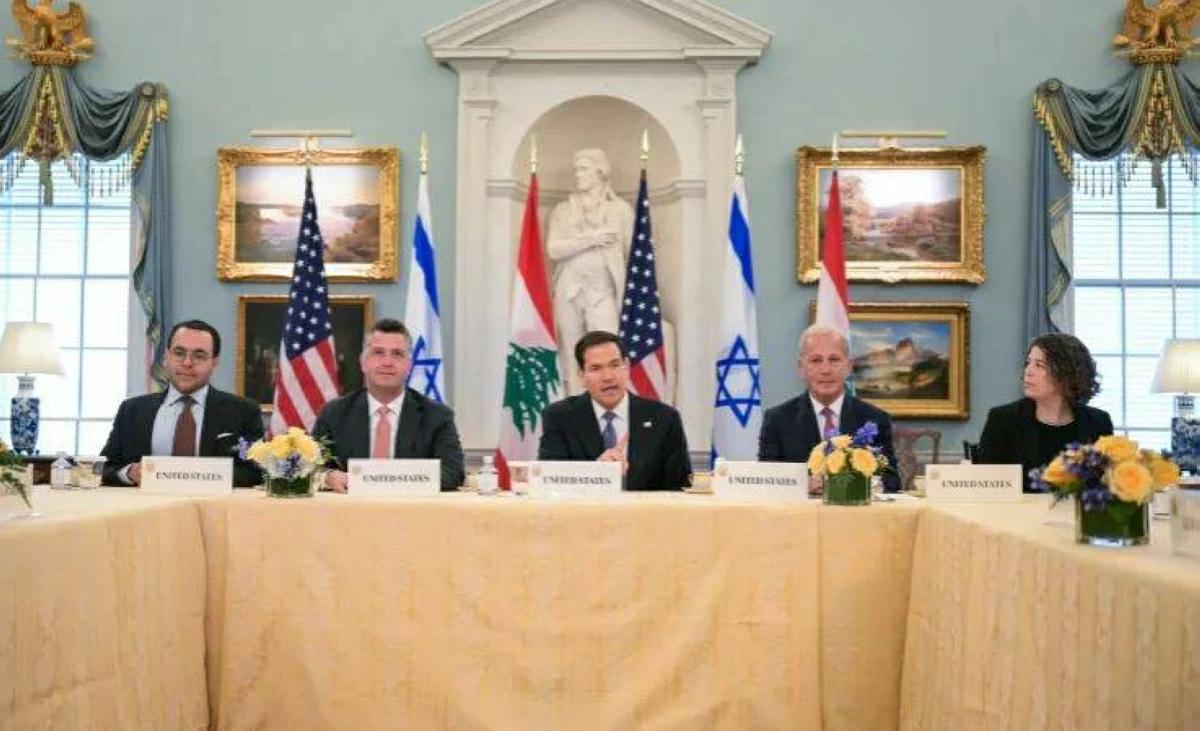
Israel and Hezbollah Agree Ceasefire After Lebanon Airstrikes Killed 47
12 sources compared

Israel And Hezbollah Ceasefire Delays U.S.-Iran Talks In Switzerland, Swiss Foreign Ministry Confirms
12 sources compared

Congress Could Block Donald Trump’s Iran MOU Sanctions Waivers Under INARA
12 sources compared

Iran’s Leaders Back US-Iran Memorandum Red Lines as Switzerland Talks Postponed
21 sources compared