Iran19 June, 20263 min read
US and Iran Sign Peace Memorandum as KLM Avoids Iran, Iraq, and Israel Airspace
This article is an automated aggregation of coverage from news outlets. Our editorials offer in-depth analysis curated by the NewsCord team.
Peace talks underway between US and Iran aiming for lasting deal within 60 days. Qatar Airways network expanding toward pre-war levels; Gulf carriers ramp up operations.
US-Iran talks begin
Travel disruption across the Gulf has been tied to the US-Iran-Israel war that began in late February, but the situation shifted after the US and Iran signed a memorandum of understanding on Wednesday, 17 June, to lay the groundwork for 60 days of talks aimed at a lasting agreement to permanently end the conflict. The National says the US and Iran are preparing to begin the first round of negotiations aimed at securing a lasting peace agreement within 60 days, while KLM continues to avoid flying through the airspace of Iran, Iraq and Israel and parts of the Arabian Gulf.
Condé Nast Traveller Middle East reports that on Thursday, 18 June 2026, travel across the Middle East was still impacted with many flight routes diverted or placed on hold, and passengers were advised to check for flight confirmation before heading to the airport. In parallel with the negotiation timeline, The National reported that British Airways delayed its phased return to the Middle East originally set to resume on July 1, with flights to Dubai, Tel Aviv, Bahrain and Amman remaining suspended until October 25.
Airlines restart routes
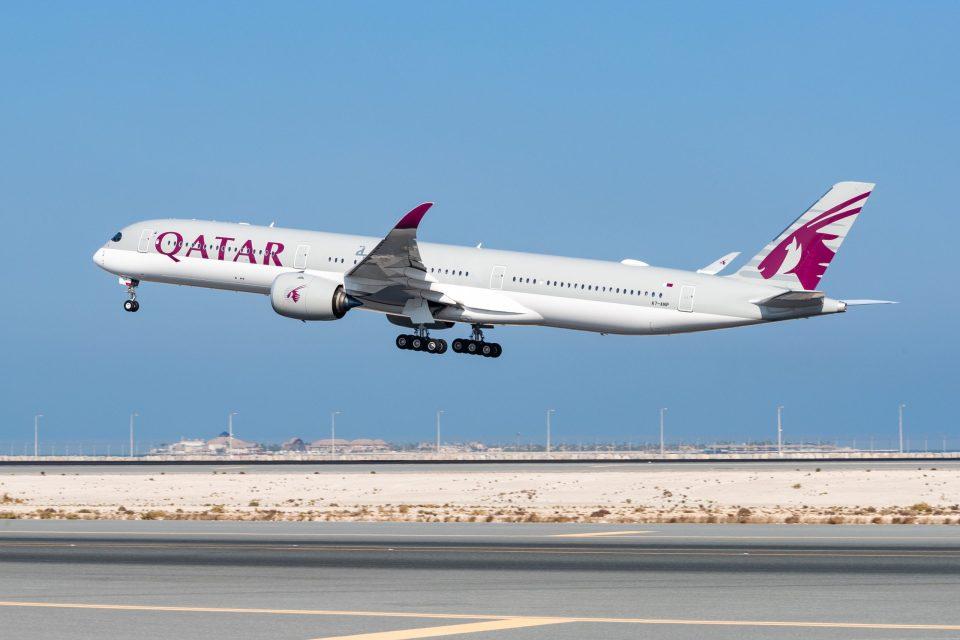
As airspace restrictions ease unevenly, Condé Nast Traveller Middle East says the UAE General Civil Aviation Authority confirmed the full resumption of air traffic in May, lifting remaining restrictions on the country’s airspace, while Gulf carriers have largely restored operations. FlightGlobal reports that Qatar Airways has restored 85% of its network and reached its target of restoring 85% of its pre-Iran war network by mid-June, and it is now operating 140 daily departures to more than 160 global destinations.
FlightGlobal also says Emirates is selling a “conflict-related” travel insurance policy aimed at enticing passengers back through its Dubai hub, and it quotes Emirates president Tim Clark saying, “Listening to customer feedback, we realised that travel demand remains strong but there was a gap in the market with regards to travel insurance cover,”. In the same FlightGlobal account, Kamil Al-Awadhi of IATA’s regional vice-president for Africa and the Middle East frames recovery as time-bound, saying, “I don’t think the quality airlines and quality airports [in the region] will have any trouble [recovering] traffic – it will be a matter of months before they get their traffic back.”
What’s at stake next
Even with the interim agreement, y alibnan says Flightradar24.com data shows the overall number of flights by major Gulf airlines has returned to some 82% of the level on February 27, the day before the war started, while it also notes that Gulf Air and Kuwait Airways have topped 100% in recent days. The Reuters account in y alibnan adds that the European Union Aviation Safety Agency (EASA) kept its warning in place against flying to the region due to risks associated with the conflict, and it quotes EASA telling Reuters it was still “too early to determine whether the observed de-escalation will result in a sustained reduction of risks to civil aviation”.
y alibnan also reports that the outlook for Gulf airlines depends on implementing the ceasefire deal, with Aviation Strategy managing partner James Halstead saying, “If it gets back to normal, I just see them acting as normal, coming back in full force,”. Beyond the region, y alibnan says the International Air Transport Association nearly halved its previous 2026 profit forecast for the industry due to the Iran war, expecting a combined net profit of $23 billion compared with about $41 billion and down from $45 billion in 2025.