Full Analysis Summary
Oman-mediated Geneva talks
Oman confirmed that the United States and Iran will hold another round of talks in Geneva on Thursday.
Those talks follow earlier Oman-mediated sessions and are part of indirect negotiations aimed at addressing Iran's nuclear program and sanctions relief.
PressTV reports that the Geneva discussions followed a previous session in Muscat and that 'Oman confirmed talks are set for Thursday in Geneva'.
Hindustan Times says the US and Iran 'have held heated, Oman-mediated talks in Geneva' and quotes Iran's Hossein Araghchi as hoping for another meeting, likely Thursday, to finalize a text and reach a fast agreement.
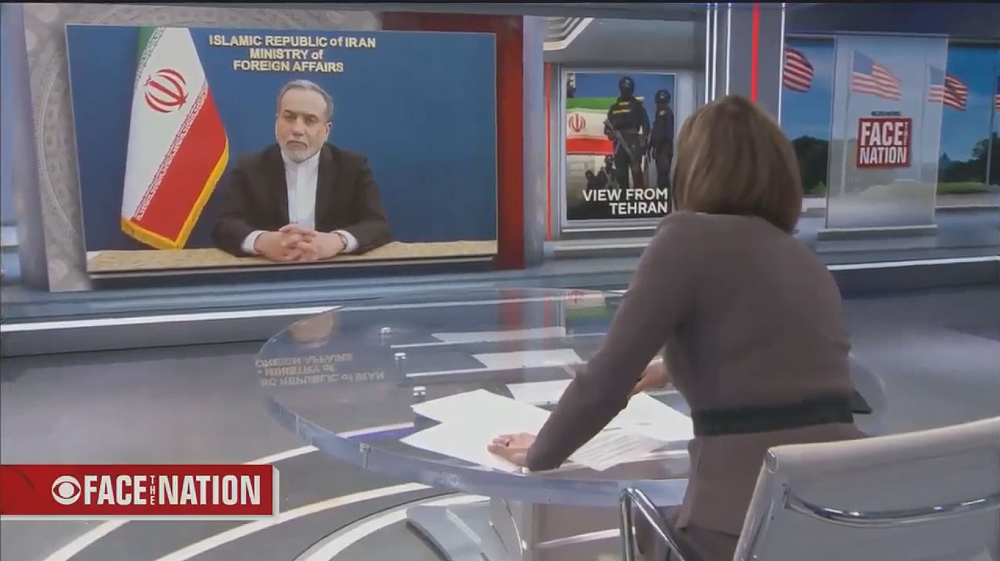
The CBS item included with the source material did not include article text, requested the article be pasted, and therefore did not add original reporting on the Geneva confirmation.
Coverage Differences
Unique Coverage
PressTV (West Asian) foregrounds procedural details — that the Geneva session follows Muscat and that guiding principles and a written draft are being prepared — while Hindustan Times (Asian) emphasizes the heated, Oman‑mediated nature of the talks and quotes Araghchi’s expectation of a near‑term meeting. CBS (Western Mainstream) did not supply an accessible article in the provided material and therefore contributes no direct coverage on the Geneva confirmation.
Geneva talks on Iran
PressTV and Hindustan Times frame the Geneva exchanges around Iran’s nuclear program and the lifting of US sanctions, while presenting complementary details.
PressTV reports that Iranian Deputy Foreign Minister Abbas Araghchi said the sides 'agreed on guiding principles to pave the way for future talks' and that Tehran is preparing a written draft meant to address both sides’ concerns.
PressTV also reports a senior US official told Reuters and Axios the US 'expects a detailed Iranian proposal and is prepared to hold another round of talks… if it receives one.'
Hindustan Times notes the US push to prevent Iran from obtaining a nuclear weapon, a claim Iran denies, and that sanctions relief is a central bargaining chip.
Coverage Differences
Narrative Framing
PressTV (West Asian) reports Iran’s stated negotiating moves — guiding principles and a written draft — and cites a US official’s expectation of a detailed proposal; Hindustan Times (Asian) frames the talks within US objectives (preventing a nuclear weapon) and sanctions leverage. PressTV’s reporting quotes Araghchi directly on preparatory steps, while Hindustan Times reports on the US strategic stance and the apparent impasse on fundamental aims.
US–Iran nuclear positions
The two sources underline that the parties remain far apart on fundamentals.
PressTV reports Washington’s position that Iran 'must halt its nuclear program,' while it records Tehran’s insistence that 'it seeks only peaceful nuclear energy and denies pursuing weapons.'
PressTV notes Araghchi’s comment that Iran’s program is 'more advanced than in 2015' and expresses optimism that a quicker or stronger deal than the 2015 JCPOA might be possible if principles and sanctions relief are agreed.
Hindustan Times likewise reports the US insistence on preventing weaponization and adds that President Donald Trump gave Iran '10–15 days to accept a nuclear deal or face unspecified consequences.'
Hindustan Times also reports Araghchi warned Iran would respond to any attack as self‑defense.
Coverage Differences
Tone
PressTV (West Asian) emphasizes technical progress and Tehran’s optimism about negotiating a potentially stronger pact than the 2015 JCPOA, citing Araghchi; Hindustan Times (Asian) highlights confrontational rhetoric from the US side (Trump’s deadline) and Iran’s warning of self‑defense, framing a higher tension tone. Both report the fundamental disagreement about weapons versus peaceful energy, but PressTV foregrounds program advancement and negotiation mechanics.
Context for Iran talks
The talks are taking place amid heightened tensions and domestic unrest that the sources link to the broader diplomatic context.
PressTV highlights that US leaders have "used confrontational rhetoric and deployed carrier groups and aircraft near Iran following violent protests in Iran that Washington says were exacerbated by foreign interference."
Hindustan Times reports ongoing protests and clashes after a "deadly crackdown on anti-regime demonstrations in December 2025 that reportedly left thousands dead," noting protesters' denunciations of Supreme Leader Ali Khamenei and calls for exiled Reza Pahlavi.
These domestic dynamics are presented as part of the backdrop shaping both Iranian negotiating posture and US pressure.
Coverage Differences
Context Emphasis
PressTV (West Asian) situates military posture and US rhetoric as part of the external pressure shaping talks; Hindustan Times (Asian) provides more detail on internal unrest and its human cost (the December 2025 crackdown and protesters’ demands). CBS (Western Mainstream) again did not provide a substantive article in the material supplied, so it offers no competing account on domestic unrest or military deployments.
Media reporting differences
There are clear differences in emphasis and omissions across the two reporting strands that shape readers' takeaways.
PressTV (West Asian) emphasizes Iranian statements, procedural progress (guiding principles, a written draft), and program advancement.
Hindustan Times (Asian) foregrounds high stakes — US insistence on preventing weaponization, Trump’s deadline, sanctions leverage, and extensive domestic unrest — and adds legal and economic context such as reporting that the US Supreme Court found Trump’s use of emergency powers unlawful and that he imposed a 10% global tariff in response.
The provided CBS material (Western Mainstream) did not include substantive coverage in the supplied snippet and therefore is a missing perspective in this set of sources.
Because the sources differ in focus and tone, readers should note that basic facts (an Oman‑confirmed Geneva meeting and that both sides discuss nuclear issues and sanctions) are consistent, but interpretation and context vary across source_type.
Coverage Differences
Missed Information
CBS News (Western Mainstream) did not supply an article text in the provided material and therefore does not contribute reporting to compare; its supplied snippet explicitly requests the article be pasted. Hindustan Times (Asian) includes domestic legal and economic context (Supreme Court decision and a 10% global tariff) that PressTV (West Asian) does not mention in the provided extract. PressTV focuses on Iran’s procedural claims and program status, details that Hindustan Times reports but frames more around US pressure and rhetoric.