
US And Iran Weigh 30-Day Ceasefire, Reopen Strait Of Hormuz, Nuclear Talks Stall
Key Takeaways
- A 30-day ceasefire framework to pause hostilities is being weighed.
- The framework envisions reopening the Strait of Hormuz for commercial shipping.
- Nuclear talks between the US and Iran remain unresolved.
Ceasefire talks, unresolved terms
The United States and Iran are reportedly in talks over a short-term agreement that could include a 30-day pause in hostilities, reopening the Strait of Hormuz for commercial shipping, and further negotiations on Tehran’s nuclear program, according to The New York Times as cited by NewsBytes.
NewsBytes says the proposed plan would involve lifting the US blockade on Iranian shipping and ports, reopening the Strait of Hormuz for commercial traffic, and ending military hostilities under a ceasefire agreement while more contentious issues like sanctions relief and frozen Iranian financial assets are discussed during the 30-day negotiation period.

The same report says US negotiators are seeking an agreement in principle requiring Iran to transfer its enriched uranium stockpile to the US, shut down three nuclear facilities, and suspend uranium enrichment activities for 20 years, while Tehran is not willing to accept those conditions.
Instead, NewsBytes reports Iran has proposed diluting part of its uranium stockpile and transferring the rest to a third country, possibly Russia, and has proposed suspending uranium enrichment for 10 to 15 years, with no agreement reached on the future of the three nuclear facilities.
NewsBytes also notes that the White House had not yet commented on the negotiations and that indirect diplomatic exchanges are ongoing without a formal response to the latest US proposal.
Lebanon strike adds friction
On the 6th, as the U.S. and Iran were reported to be nearing a ceasefire agreement, Israel conducted airstrikes on southern Beirut, the capital of Lebanon, according to 조선일보.
조선일보 says the airstrike occurred around 20 days after Israel agreed to a U.S.-brokered ceasefire with the Iran-aligned armed group Hezbollah on the 16th of last month, and that AFP and other outlets reported Israel bombed an apartment where senior Hezbollah Radwan Forces commanders were holding a meeting, killing the unit’s operational commander, Malek Balout.

In response, 조선일보 reports Hezbollah fired at Israeli forces and launched unmanned aerial vehicles, and it quotes a joint statement from Israeli Prime Minister Benjamin Netanyahu and Defense Minister Israel Katz: “This airstrike targeted a Radwan Forces commander. Israel will relentlessly pursue all enemies and killers.”
조선일보 also reports that an Israeli source told Reuters, “Israel was unaware of the possibility that the U.S. and Iran were nearing a ceasefire agreement and had instead prepared for escalated combat.”
The same article says Netanyahu convened an emergency security cabinet meeting after reports surfaced that the U.S. and Iran were close to a deal, and it quotes him saying, “I instructed the Israeli military and security agencies to prepare for all scenarios.”
Enrichment, sanctions, and leverage
A Gulf News explainer, citing Axios and Reuters, describes a reported “14-point” U.S. proposal aimed at ending the current Gulf conflict and reopening negotiations over Iran’s nuclear program and regional tensions, with a short memorandum of understanding (MOU) discussed as a basis for a broader agreement.
Gulf News says the framework includes an immediate ceasefire between the U.S., Iran, and indirectly Israel-linked regional operations, reopening the Strait of Hormuz, and a temporary freeze or moratorium on uranium enrichment, with reports that the US initially pushed for 20 years while Iran countered with five and negotiators discussed around 15 years.
The same report says the proposal also includes possible removal of highly enriched uranium from Iran and sanctions relief and release of frozen Iranian assets in exchange for nuclear and maritime concessions, alongside a 30-day negotiation window to move from a temporary ceasefire into a more permanent arrangement.
Gulf News further reports that Axios said a one-page, 14-point “MOU” is being negotiated between Trump envoys Steve Witkoff and Jared Kushner and several Iranian officials, and that the MOU would declare an “end” to the war in the region followed by a 30-day period of talks on a broader deal.
Meanwhile, the NewsBytes report says Washington’s demand for prior commitments on Iran’s nuclear program remains a major sticking point, and it adds that US negotiators are seeking prior commitments that Tehran is not willing to accept, leaving the overall outcome unresolved.
More on Iran

U.S. Fires on Iranian-Flagged Tankers in Strait of Hormuz After Exchanging Fire
11 sources compared
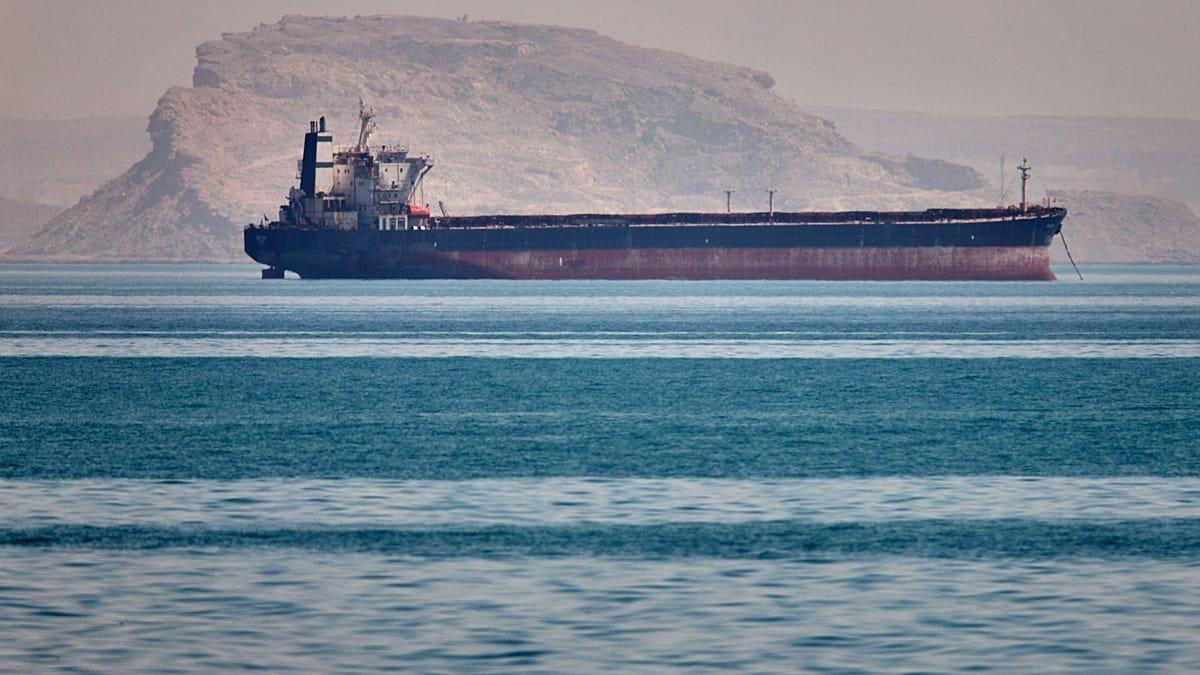
U.S. Fires on Two Iranian-Flagged Tankers Near Strait of Hormuz, Trump Expects Iran Response
17 sources compared
Iran Retaliates After U.S. Attacks Vessels Near Strait of Hormuz, Trump Warns Of More Strikes
18 sources compared
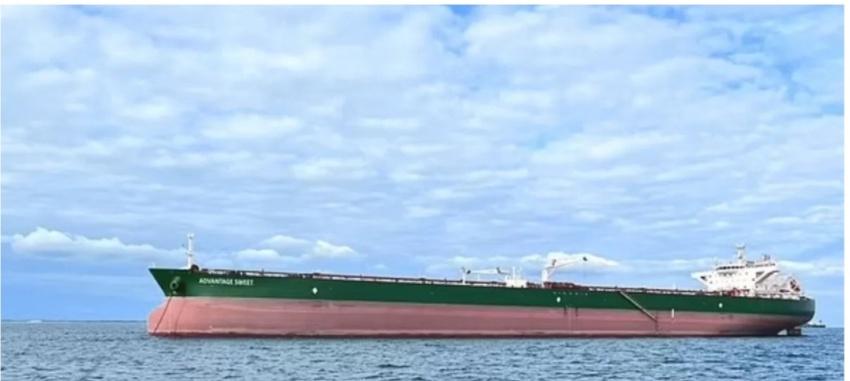
IRGC Navy Seizes Ocean Koi Tanker in Gulf of Oman, U.S. Disables Two Tankers
15 sources compared