Iran-Israel02 March, 20262 min read
US and Israel Assassinate Iran’s Supreme Leader
U.S. and Israel launched missile strikes on Iran over the weekend U.S. and Israeli strikes killed Supreme Leader Ali Khamenei
12 outlets told this the same way.
Outlets did split on U.S. Intercepts Iran Message Activating Sleeper Cells After U.S.-Israel Strike Kills Khamenei →
US-Israel strikes on Iran
U.S. and Israeli forces carried out strikes on Iran that various outlets described as a coordinated operation. CNBC reported, "The strikes reportedly killed Iran’s Supreme Leader Ayatollah Ali Khamenei." NBC News noted the strikes followed comments from President Trump that "the U.S.-Israeli operation could last weeks."
“The strikes reportedly killed Iran’s Supreme Leader Ayatollah Ali Khamenei; the U.S. and Israel urged Iranians to seize the moment to overthrow the regime, and Iran has launched retaliatory strikes against U.S. forces.”
France 24 framed the actions as "US-Israel strikes on Iran" that prompted immediate geopolitical responses. The outlets' accounts differ, with some reports asserting that Ayatollah Ali Khamenei was killed.
Reports on Iran's strikes
Iran launched retaliatory strikes across the region, and reporting described direct hits on diplomatic and energy infrastructure. NBC News wrote that Iran's "attacks have hit U.S. embassies and Gulf oil facilities, virtually halted shipping through the Strait of Hormuz, and disrupted travel and air cargo - stranding tens of thousands in hubs like Dubai."
CNBC also reported that Iran had "launched retaliatory strikes against U.S. forces." The Christian Science Monitor succinctly stated, "Iran retaliated against Israel."
Energy market supply disruptions
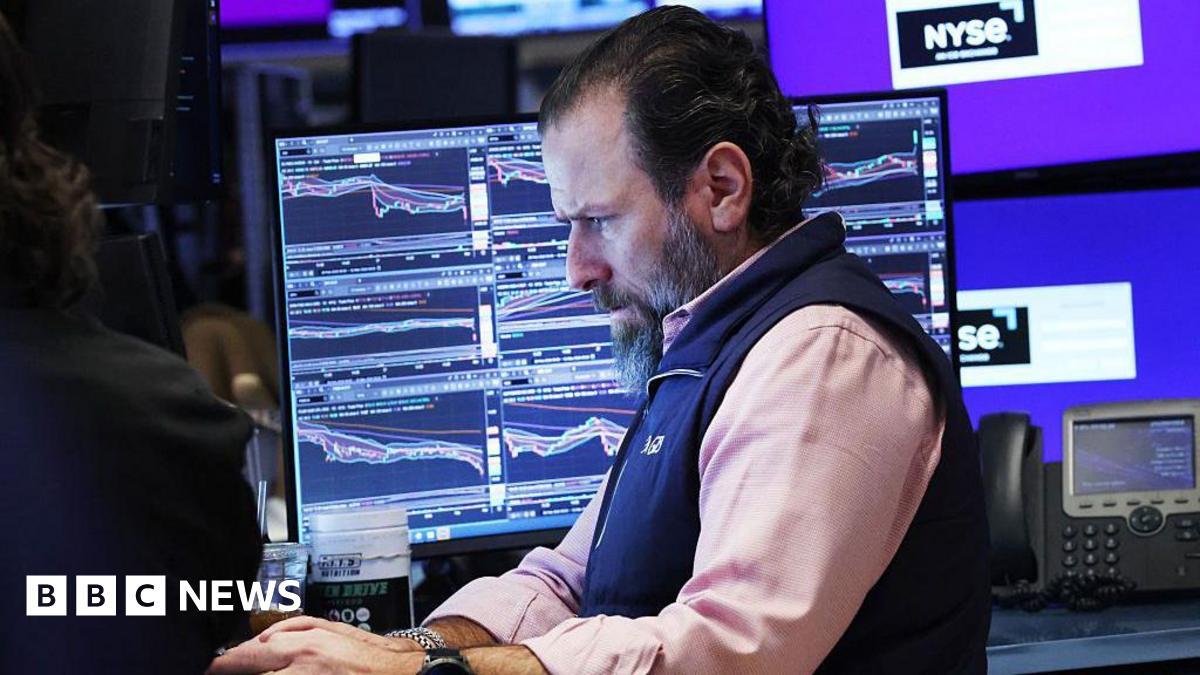
Energy markets reacted sharply as traders priced in supply disruptions, with oil and gas moving higher and LNG flows reported disrupted.
“Markets remain orderly overall, with the biggest volatility confined to energy. Brent crude's failure to hold above $80 suggests traders have already priced in a meaningful supply disruption, while OPEC+'s plan to raise output by 206,000 barrels per day from April may be capping further upside. Paul Eitelman, global chief investment strategist at Russell Investments, urged investors to keep the broader macro backdrop in mind as markets absorb the news, noting the US energy landscape is very different from decades past.”
NBC News recorded that "Oil jumped about 4% by 4 p.m. ET."
Retail gasoline spiked, and forecaster Patrick De Haan warned prices could reach $3.20 by week’s end.
Business Insider noted that "Brent crude's failure to hold above $80 suggests traders have already priced in a meaningful supply disruption."
NBC4 Washington reported concerns that Qatar’s diversion of tankers and halted LNG production would push natural gas prices higher.
Market turmoil from conflict
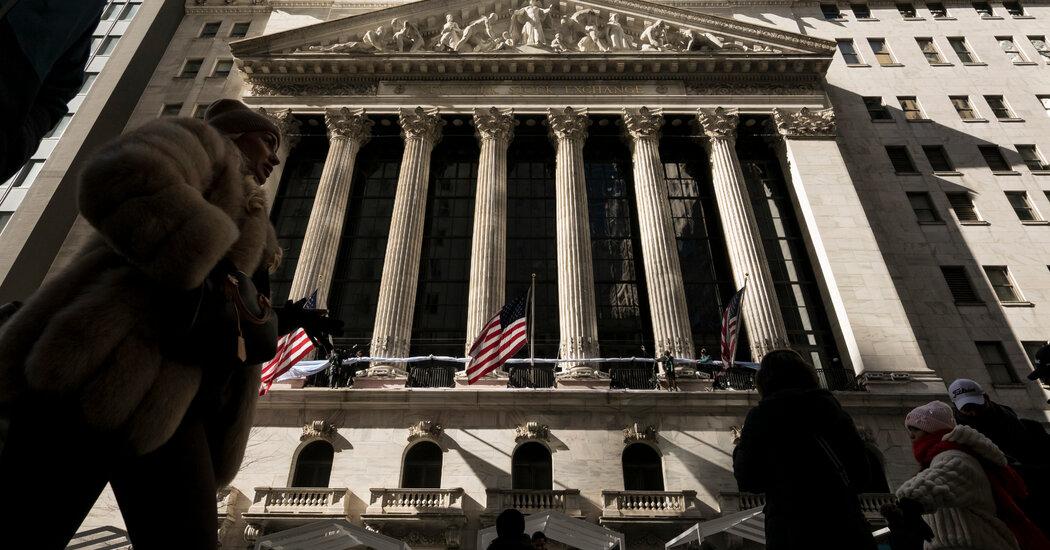
Global equities and bonds moved violently as investors fled risk amid the wider conflict. France 24 reported that 'Asian markets plunged Wednesday, led by a more than 12% collapse in Seoul.' CNBC noted that 'European stocks fell after weekend attacks by the U.S. and Israel on Iran' and detailed steep losses in travel and tourism names.
The Guardian added that 'Bond yields on two-, 10- and 30-year maturities jumped about 10 basis points' and that the escalation 'reduced expectations that the Bank of England will cut rates at its 19 March meeting.' The New York Times warned the current escalation 'arrives at a more precarious moment for stocks, pushing investors toward traditional safe-haven assets.'

Market and geopolitical uncertainty
Officials and markets face acute uncertainty over scope and duration, and political messaging has been stark. CNBC reported that the U.S. and Israel 'urged Iranians to seize the moment to overthrow the regime,' and NBC News quoted President Trump saying operations 'could last weeks.'
“The strikes reportedly killed Iran’s Supreme Leader Ayatollah Ali Khamenei; the U.S. and Israel urged Iranians to seize the moment to overthrow the regime, and Iran has launched retaliatory strikes against U.S. forces.”
France 24 described U.S. moves to protect shipping — Trump ordering the navy to escort tankers and providing insurance for shipping — which briefly eased trader worries but underscored continued volatility. Multiple outlets cautioned that worsening, spreading strikes and uncertainty over objectives could push investors toward bonds and heighten concerns about further energy-producer targeting.
%3Amax_bytes(150000)%3Astrip_icc()%2FGettyImages-2263876313-8abdb66d05b843d090e38ec48979e72c.jpg&w=1920&q=75)