Iran-Israel02 March, 20262 min read
US and Israel Assassinate Iran's Supreme Leader Ayatollah Khamenei
This article is an automated aggregation of coverage from news outlets. Our editorials offer in-depth analysis curated by the NewsCord team.
U.S. and Israeli forces launched coordinated strikes on Tehran and other Iranian cities. Supreme Leader Ayatollah Ali Khamenei was killed in the attacks.

6 outlets told this the same way.
Outlets did split on U.S. Intercepts Iran Message Activating Sleeper Cells After U.S.-Israel Strike Kills Khamenei →
Khamenei killed; regional escalation
A coordinated campaign of U.S. and Israeli strikes killed Iran’s Supreme Leader Ayatollah Ali Khamenei alongside other senior figures and targeted Iranian missile and military infrastructure. Those strikes provoked a major Iranian missile-and-drone retaliation and sharply raised the risk of a wider regional war.
“The United States and Israel carried out coordinated strikes on Iran that killed Supreme Leader Ayatollah Ali Khamenei and other senior figures, triggering a large-scale Iranian missile and drone response and raising the risk of a wider regional war.”
The U.S. responded by building up its largest regional military presence in decades as the fighting intensified. These developments are described as the first wave of attacks that killed Khamenei and dozens of IRGC leaders, and as triggering large-scale Iranian counterstrikes.

Human and infrastructure toll
The confrontation produced substantial casualties, infrastructure disruptions and direct effects on civilian life. Iran reported hundreds of deaths and civil-rights groups put the civilian toll at similar levels. Gulf and allied air defenses intercepted many Iranian missiles and drones.
The conflict included the first reported U.S. military fatalities. Civilian sites and hospitals were reported struck.
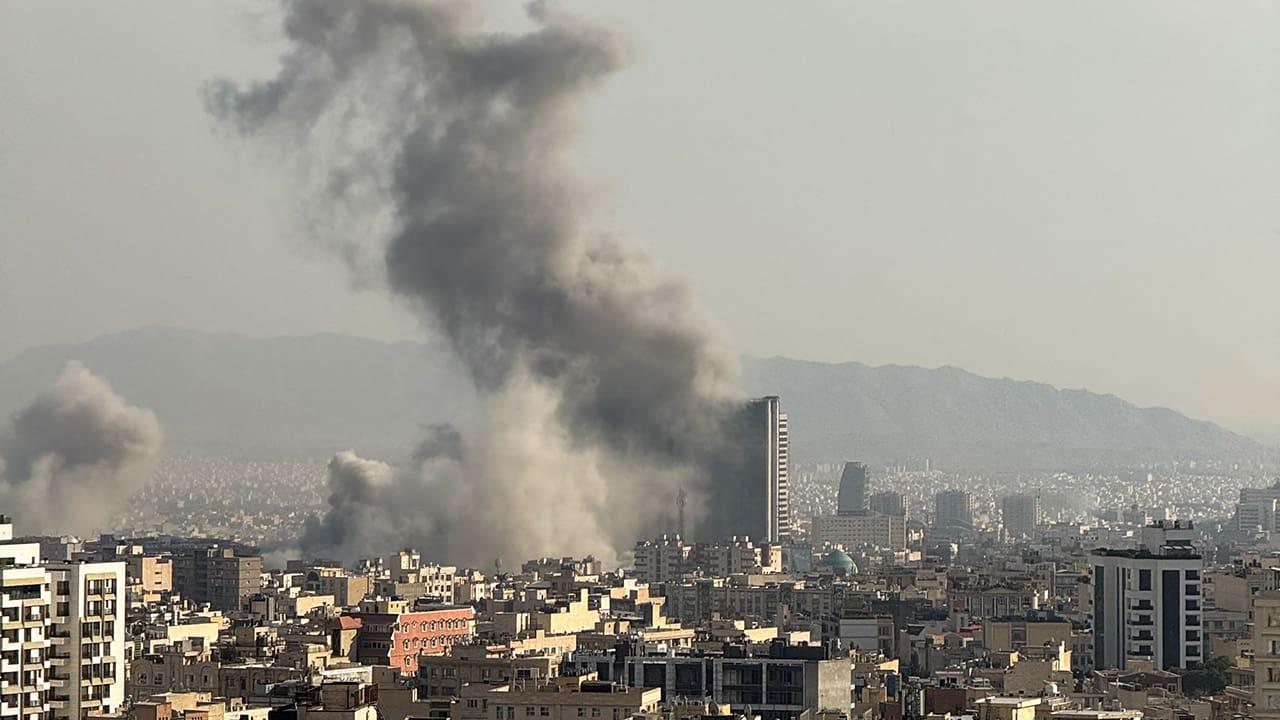
Iran closed its airspace and national internet access was largely cut. Strikes continued on Tehran and Iran’s naval capabilities.
Regional conflict fallout
The geographic spread and economic fallout have been broad. Strikes and reprisals extended beyond Iran to Gulf states, Cyprus and Lebanon, disrupted airspace and airports, and unsettled energy markets.
“The conflict has rapidly escalated across the Middle East. Iran has retaliated by attacking US-allied Gulf states, and strikes have spread to Cyprus and Lebanon and to non-military targets, including civilian sites and energy facilities.”
Oil prices spiked and OPEC+ producers pledged to boost output to stabilize supplies. The fighting has also spilled into exchanges with Iranian-aligned militias and raised alarm about attacks on shipping and other regional targets.
Political reactions to military campaign
Political leaders in Washington and Jerusalem framed and reacted to the campaign in markedly different ways: President Trump said "heavy and pinpoint bombing" would continue while U.S. officials signalled some willingness to negotiate with Iran’s new leadership, and some members of Congress protested that the strikes lacked proper authorization. In Israel, commentators and analysts portrayed Prime Minister Benjamin Netanyahu as using the Iranian threat and the prospect of military action as part of a longer election-era campaign to justify strikes and consolidate domestic support. These political moves have shaped, and been shaped by, the military escalation.
Strategic risks and responses
Analysts warn that the strikes and the assassination of a sitting supreme leader carry profound strategic risks. Commentators say assassinating Khamenei is likely to create a dangerous power vacuum that could produce military rule or intensified violence against civilians. They argue a full-scale U.S. ground invasion to topple Iran would be politically unrealistic and militarily daunting, likely provoking a brutal, long insurgency.
“The IAEA and other international actors are monitoring possible effects on Iran’s nuclear program and diplomatic efforts continue amid global alarm.”
How regional actors such as Hezbollah choose to position themselves — even subordination of arms to the Lebanese state was suggested as a survival strategy — will affect whether the war widens or whether states can limit escalation. International bodies including the IAEA and other actors are monitoring Iran's nuclear program and diplomatic efforts amid the crisis. The fighting "shows no sign of abating."
