Iran28 February, 20262 min read
US and Israel Assassinate Iran's Supreme Leader Khamenei, Israeli Officials Say; Iran Denies
This article is an automated aggregation of coverage from news outlets. Our editorials offer in-depth analysis curated by the NewsCord team.
U.S. and Israel launched a major coordinated military strike on Iran. Israeli and some U.S. officials said Iran’s top leader was killed.

46 outlets told this the same way.
U.S. and Israel strike Iran
On February 28 the United States and Israel launched a major, coordinated assault on Iran that U.S. and Israeli officials described as aimed at toppling Tehran’s leadership. Multiple Western outlets reported that U.S. and Israeli sources said Iran’s Supreme Leader Ayatollah Ali Khamenei was killed in the operation, while Iranian authorities denied those claims. Reports described the action as intended to remove Iran’s nuclear and missile capabilities and to change its leadership.
“Multiple sources told CBS News that Iran’s Supreme Leader Ayatollah Ali Khamenei is presumed dead after a major U.S.- and Israeli-led military operation on Saturday.”
Strikes and damage overview
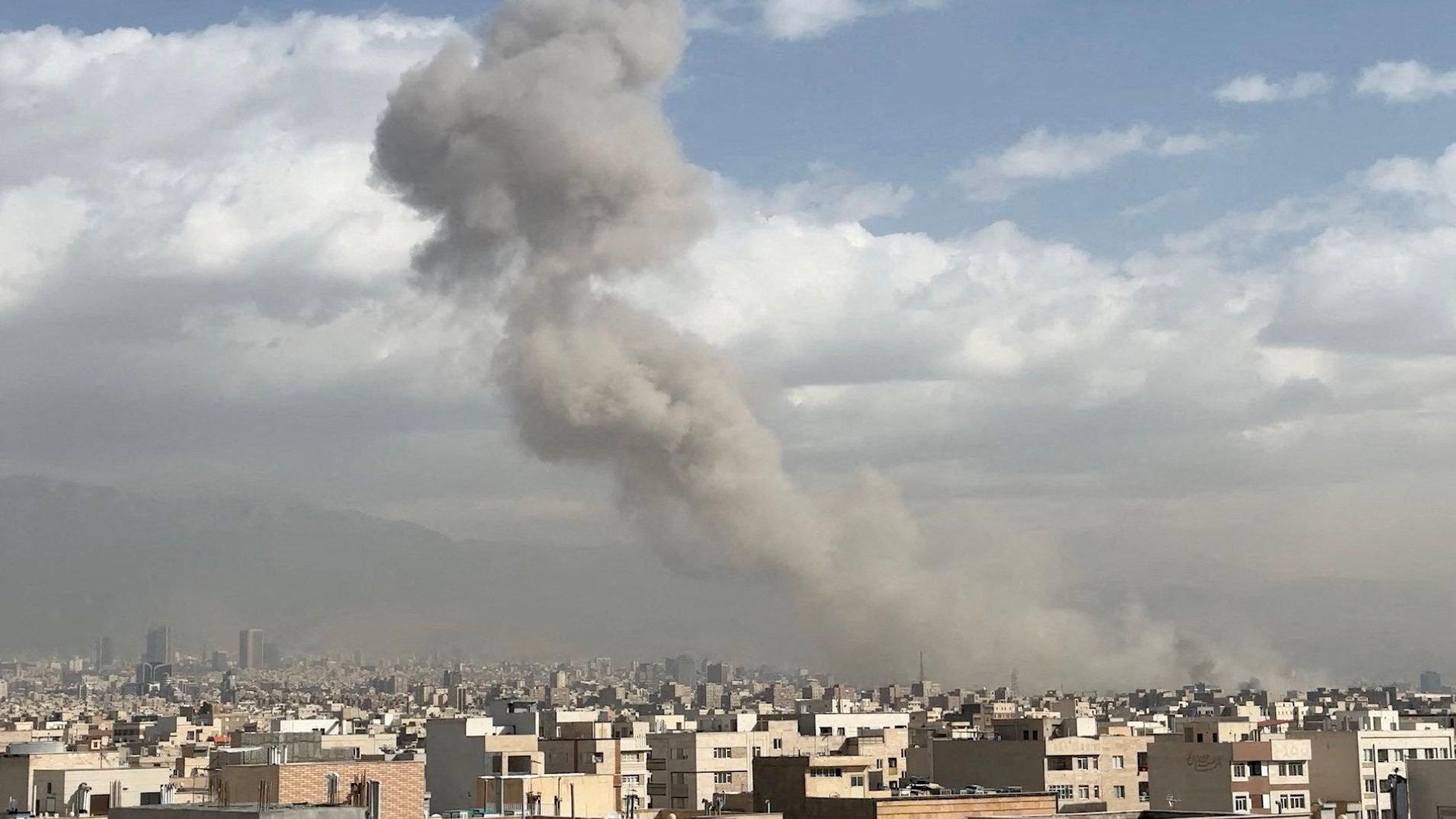
Israeli and U.S. officials framed the strikes as extensive and targeted. Israeli forces described a very large air campaign that struck missile sites, air‑defense systems and command centers. Satellite imagery and witness accounts showed heavy damage near Khamenei’s compound and other high‑security sites in Tehran.
Iranian state-linked sources and the Red Crescent reported substantial civilian casualties. U.S. and Israeli officials emphasized that the campaign hit Revolutionary Guard command centers, launch sites and airfields.

Conflicting reports on Khamenei
Claims about the fate of Iran’s top officials have been directly contradictory across sources. Some U.S. and Israeli officials — and a U.S. defense source quoted by U.S. outlets — said Khamenei was killed and that several senior commanders died.
“Headline claim: U.S. and Israeli officials told Axios that Iran’s Supreme Leader Ayatollah Ali Khamenei is dead.”
Iranian state media and government spokespeople denied this and said senior figures remained safe. Independent confirmation was not available in the reporting.
Gulf missile and drone strikes
The strikes sparked immediate regional retaliation and a wider security shock. Reporting describes Iran and Iran-linked groups firing hundreds of missiles and drones at Israel and U.S. bases across the Gulf, incidents in several Arab states, and at least some infrastructure and civilian sites damaged in Gulf cities. Many incoming threats were reported intercepted, and multiple governments called emergency meetings or issued condemnations as the flight-to-safety and air-defense operations unfolded.
Diplomatic fallout from strikes
Political leaders framed the operation in stark terms. President Donald Trump described the campaign as necessary to stop an 'intolerable' threat and urged Iranians to rise up against their rulers.
“U.S. President Donald Trump said the strikes were intended to 'prevent this very wicked, radical dictatorship from threatening America and our core national security interests.' He said most of Iran’s top decision-makers were 'gone,' called on Iran’s military to surrender and urged Iranian civilians to rise up 'take over your government.' Trump oversaw the operation from Mar‑a‑Lago and released a video announcement.”
Israeli officials said the campaign would continue until the perceived existential threat was removed. Several sources said Washington had not briefed allies in advance, prompting emergency UN, EU and regional responses.