Gaza Genocide24 November, 20253 min read
US- and Israel-Backed Gaza Humanitarian Foundation Ends Operations After Its Food Banks Spark Shootings That Kill Hundreds
This article is an automated aggregation of coverage from news outlets. Our editorials offer in-depth analysis curated by the NewsCord team.
Gaza Humanitarian Foundation permanently ended operations in Gaza Shootings at GHF food-distribution sites killed hundreds of Palestinians

8 outlets told this the same way.
Outlets did split on Thousands March in London Calling for Britain to Stop Arming Israel and Impose Sanctions →
Gaza aid group closure
The Gaza Humanitarian Foundation (GHF), a US- and Israel-backed private aid group that ran four distribution centres in Gaza, announced it is ceasing operations, saying it had successfully completed its emergency mission after sites closed when a US-brokered ceasefire took effect on 10 October. GHF and its executive director said the foundation delivered roughly 187 million meals — also described as more than 187 million meals or over 3 million food boxes (about 187 million meals) — and said its work will be transferred to a new US-led Civil-Military Coordination Center (CMCC) established in southern Israel. Multiple sources report that GHF was set up after Israel tightened access and imposed blockades, with the stated aim, as GHF and Israeli authorities framed it, of bypassing Hamas and ensuring food reached Gazans.
“GHF touted delivering 187 million meals directly to Gazans while bypassing Hamas and said it was winding down because it had demonstrated an alternative way to deliver aid.”
Reports of aid-site shootings
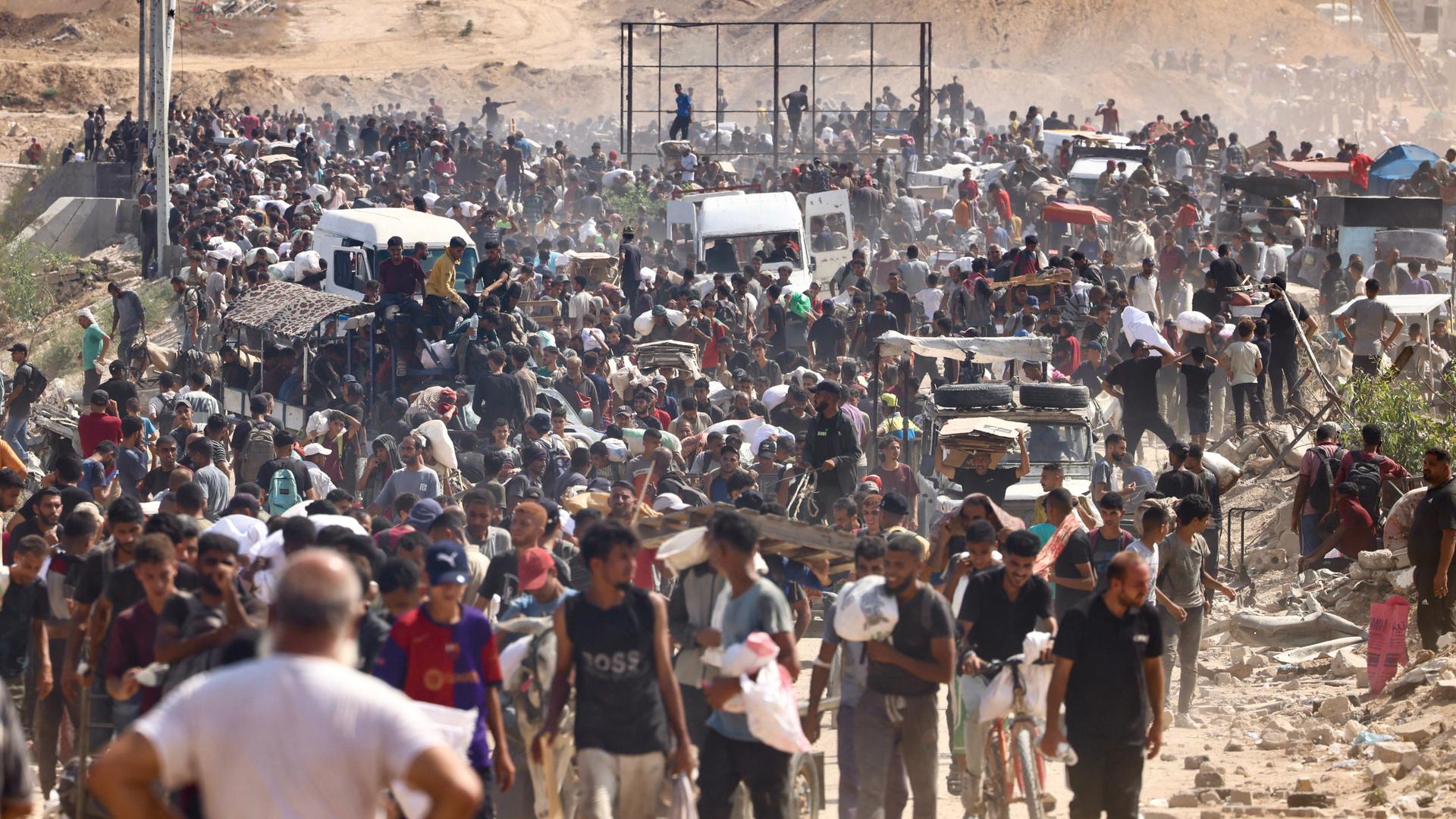
Numerous witnesses, medical records, UN experts and social media videos reported that Israeli soldiers and armed guards opened fire on Palestinians attempting to reach GHF distribution sites, and multiple outlets say hundreds were killed while seeking aid. The Guardian reports that witnesses, medical records and videos indicate more than 1,000 Palestinians were killed or injured by Israeli forces guarding approaches to GHF sites, and Le Monde and The National (Scot) say soldiers opened fire as people tried to reach food, killing hundreds. UN and other human rights bodies are cited in several sources as saying people were killed by Israeli fire while attempting to access those sites.
Disputed casualty figures at GHF
Counting and attribution of casualties around GHF sites varies sharply across sources, producing widely different tallies and claims. Middle East Eye reproduces Gaza health ministry figures saying more than 2,600 Palestinians were killed and at least 19,182 injured while trying to obtain aid. The Guardian's reporting, citing witnesses, medical records and videos, refers to more than 1,000 people killed or injured at approaches to sites.
“Gaza’s health ministry says that while GHF operated more than 2,600 Palestinians were killed and at least 19,182 injured trying to obtain aid.”
abc.net.au cites UN experts reporting that at least 859 Palestinians were killed in the vicinity of GHF sites. GHF and some contractors strongly reject casualty figures for deaths inside the perimeters and call some figures false and misleading.
Criticism of GHF operations
Humanitarian organisations, UN bodies and many established NGOs refused to work with GHF or publicly criticized it, arguing it broke humanitarian principles by operating in ways that could give Israel control over food distribution and expose civilians to danger. The Guardian and other outlets reported that a UN‑mandated expert panel accused GHF of being "exploited for covert military and geopolitical agendas."
International agencies and 170 organisations publicly rejected the private distribution scheme. Legal and transparency questions were also raised, including a US lawsuit seeking records about GHF's financing.

Gaza humanitarian crisis
Sources place the GHF episode inside a wider, devastating Israeli offensive and blockade that produced mass civilian suffering and a severe food crisis in Gaza. Middle East Eye and other outlets contextualise GHF amid a full blockade from March and report very high overall Palestinian casualties. thenationalnews and Le Monde recount that the UN declared famine in parts of Gaza and warn that the food crisis remains far from resolved even after the ceasefire and the CMCC handover.
“Context: Israel’s war on Gaza has, to date, killed and wounded more than 245,000 Palestinians, with reports based on Israeli military intelligence indicating over 80% of those killed through May were civilians.”
GHF frames its closure as mission complete and presents itself as a template for future CMCC-coordinated aid. Experts and many humanitarian groups warn that underlying bureaucracy, Israeli control and access restrictions mean Gaza's humanitarian catastrophe has not been solved.