
US and Israel Bomb Iran’s UNESCO World Heritage Sites, Officials Say
Key Takeaways
- US and Israel bombed multiple historical and heritage sites across Iran
- Iranian officials accused US and Israel of attacking Iranian civilisation and heritage
- Centuries-old World Heritage monuments, including major palaces, sustained confirmed serious damage
Accusations and context
Iranian officials and local authorities have accused the United States and Israel of strikes that damaged multiple UNESCO World Heritage and historic sites across Iran, with governors calling the attacks a “declaration of war on a civilisation.”
“Iran’s Foreign Minister Abbas Araghchi has slammed UNESCO’s silence on Israel’s bombing of centuries-old historical monuments in Iran, including multiple sites designated as World Heritage”
The Guardian reports the governor of Isfahan described the assaults as part of a wider “bombing campaign” harming heritage across the country, and PressTV states that “since February 28, when the United States and Israel launched their unprovoked aggression against Iran, multiple historical sites have been damaged.”
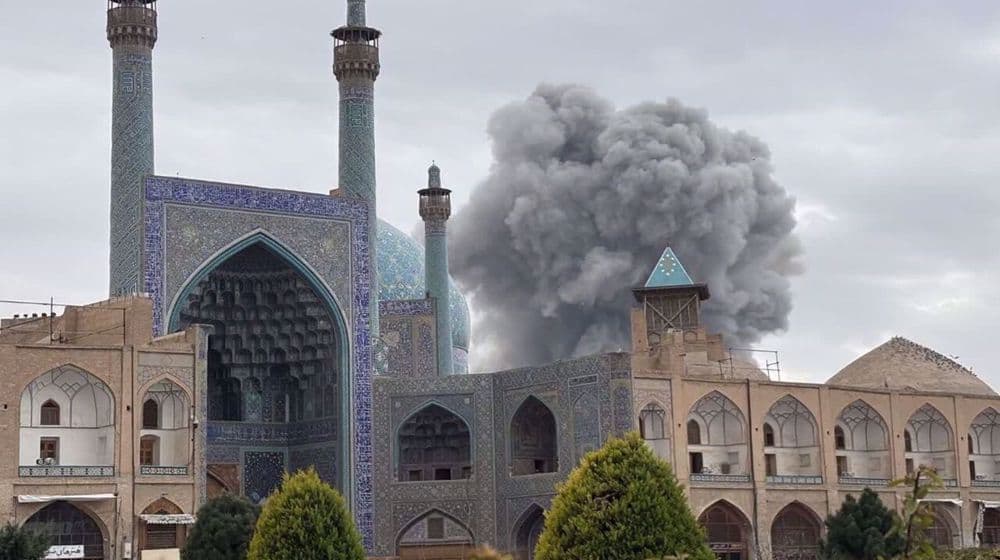
Iranian officials have publicly condemned international silence and urged stronger responses to protect cultural property.
Named heritage sites hit
Officials and media have identified specific monuments reportedly affected, including Tehran’s Golestan Palace and Isfahan’s Chehel Sotoon Palace, alongside several other historic mansions and museum buildings.
The Guardian says “the most serious confirmed damage to date has been to Tehran’s Golestan Palace, dating to the 14th century, and the 17th-century Chehel Sotoon Palace in Isfahan,”
PressTV lists additional damaged sites in Isfahan such as the Hall of Nobles, the Timurid Hall, the Jobbeh Khaneh Mansion (Isfahan Museum of Decorative Arts), the Rakib Khaneh Mansion (Isfahan Museum of Contemporary Art), and the Aali Qapu Palace.
Nature of damage and Unesco
Reporting describes the physical cause of the damage as likely from nearby blasts rather than direct missile strikes, and highlights that Unesco had been notified of coordinates for protected sites.
“Iran’s Foreign Minister Abbas Araghchi has slammed UNESCO’s silence on Israel’s bombing of centuries-old historical monuments in Iran, including multiple sites designated as World Heritage”
The Guardian reports that “neither historic building was hit by a missile directly but the shock wave from nearby blasts and possibly some missile debris shattered glass and brought down tiles and masonry,”
and notes Unesco “communicated to all parties concerned the geographical coordinates of sites on the world heritage list.”
PressTV and Iranian officials have criticised what they call inadequate international response, calling silence and indifference “unacceptable” and equating European appeasement with complicity.
Local damage and reactions
Local heritage officials described direct impacts on museum offices and staff, and regional governors emphasised the cultural significance of the damage while pointing to protective markings and prior notifications as evidence of precaution.
The head of Lorestan province’s heritage department said “a strike hit the castle’s perimeter on Sunday, destroying his department’s offices as well as adjacent archaeological and anthropological museums, and injuring five members of staff,”
and Isfahan’s governor noted that coordinates and blue shield signs had been circulated and affixed before the strikes.
PressTV amplified Iranian foreign ministry criticisms and shared footage of European parliamentary remarks denouncing perceived Western inaction.
More on Iran
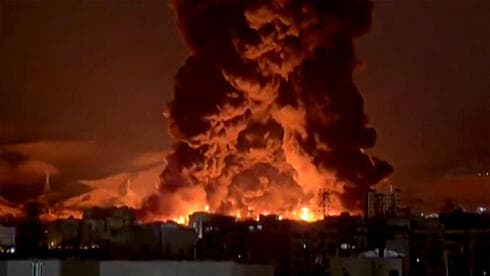
US obliterates military targets on Iran’s Kharg Island, Trump warns
13 sources compared

US Deploys About 2,500 Marines to Middle East After Iran Attacks Gulf Shipping
33 sources compared
FBI Warns of Iranian Drone Plot Based on Unverified Tip; California Says No Credible Threat
10 sources compared

White House Demands ABC Retract Report Claiming Iran Sought To Launch Drone Attacks On California
11 sources compared