Iran-Israel11 January, 20262 min read
US and Israel Discuss Military Intervention in Iran as Tehran Vows Retaliation
President Trump was briefed on limited, targeted military strike options against Iran Israel increased alert status and discussed possible US intervention with American officials
65 outlets told this the same way.
Outlets did split on U.S. Intercepts Iran Message Activating Sleeper Cells After U.S.-Israel Strike Kills Khamenei →
Contingency plans for Iran
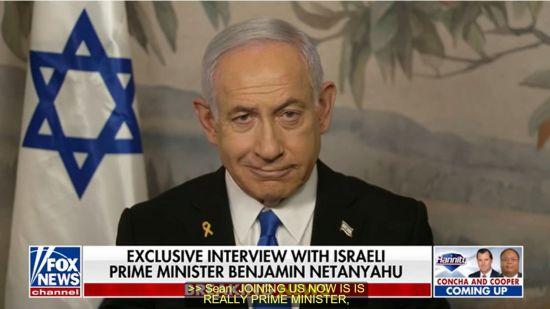
U.S. and Israeli officials have reportedly discussed contingency plans for possible military action against Iran as nationwide anti-government protests and a harsh Iranian security response fuel regional tensions. Reuters-cited reporting, repeated by several outlets, said Israeli security consultations raised the prospect of some form of intervention in Iran and left an unspecified alert in place.
“Reuters reports that Israeli security consultations — which three Iranian sources said they attended — raised the prospect of some form of intervention in Iran and left an unspecified alert in place, though officials gave no details.”
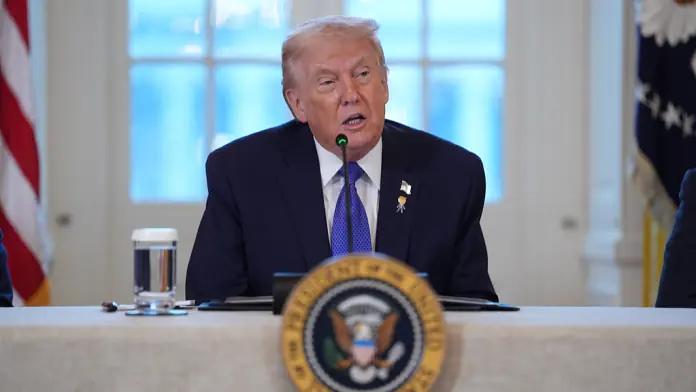
U.S. officials have been briefed on options that would mainly target Iranian security forces, though no final decision or deployment of ground troops has been announced. President Donald Trump publicly signaled support for protesters, posting that the USA stands ready to help, while rights groups and monitors say at least dozens have been killed and thousands detained amid internet blackouts that hinder verification.
U.S. options on Iran
Reporting on what Washington considered has varied in detail. Some outlets say briefings shown to former President Trump included a range of options — military, diplomatic and economic. Military plans focused on precision strikes against Iran's security apparatus or select non-military sites in Tehran, along with cyber measures and sanctions.
U.S. officials cautioned that the options did not include U.S. ground troops. Planners warned such strikes risk rallying Iranians around the regime or provoking retaliation. That prompted military leaders to urge caution and request more time to prepare defenses.

Iran's response and crackdown
Tehran's leadership has responded with stark warnings. Parliament speaker Mohammad Bagher Qalibaf and other officials said that any U.S. attack would draw retaliation and that Israeli sites and American military centers could be treated as "legitimate targets." Iranian authorities have intensified a crackdown on protesters, imposing internet blackouts, mass arrests and forceful policing, while rights monitors and activists report substantial casualties amid restricted verification.
“Iran’s parliament speaker Mohammad Bagher Ghalibaf warned that Tehran would regard Israeli sites and U.S. military centers, bases and ships in the region as legitimate targets and said Iran might carry out preemptive strikes on ‘objective signs of a threat.’”
Israeli security posture
Israel's posture reflects both vigilance and restraint. Multiple Israeli sources and regional reporting say Israel raised its alert level and held security consultations.
Some articles report a phone call between Prime Minister Benjamin Netanyahu and U.S. figures, including Senator Marco Rubio, but Israeli officials say they are monitoring developments and have no intention of launching an attack while preparing defenses. Prime Minister statements and security meetings underscore Israeli concern about fallout from any U.S. action but stop short of signaling independent intervention.

Risks of kinetic action
Analysts and many outlets warn that any kinetic action carries high risks: strikes could unify Iranians behind the regime, trigger retaliatory attacks on U.S. forces or Israeli targets, and widen regional confrontation. Several mainstream reports quote U.S. officials and military leaders urging caution and seeking time to prepare defenses; others note the administration's public signaling, including social-media posts, is also intended as deterrence. The picture is complicated by heavy internet restrictions inside Iran that limit independent verification, and by divergent casualty counts and narratives across outlets.
“Administration officials warned that strikes risk rallying support for Tehran or provoking retaliation.”