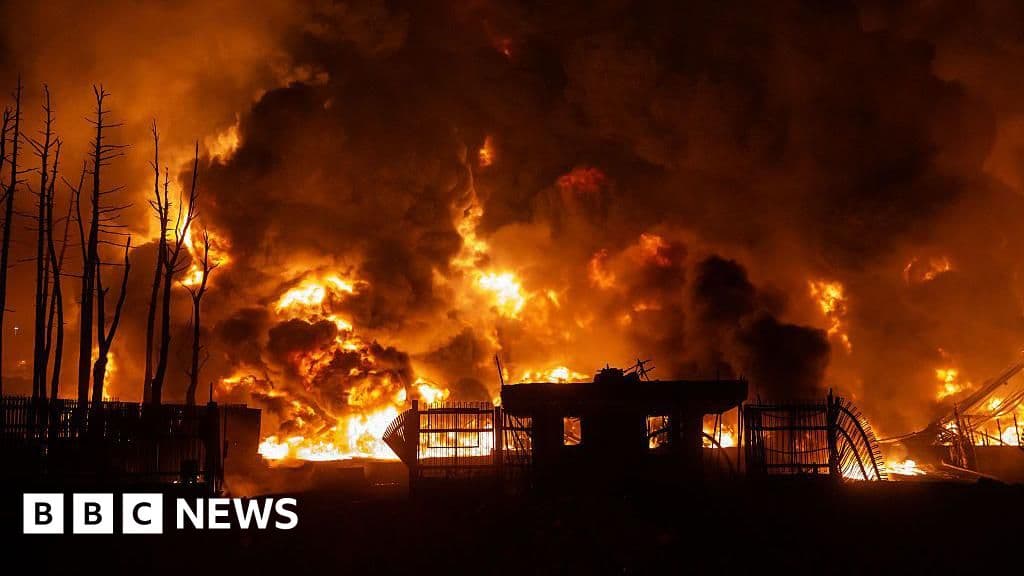
US and Israel kill Iran's supreme leader
Key Takeaways
- U.S. and Israel launched wide-ranging strikes on Iran.
- Iran's supreme leader was killed during the February 28 strikes.
- Iran retaliated with attacks on Israel and Gulf states allied with the U.S.
Assassination of Khamenei
On February 28th, 2026, the United States and Israel launched a coordinated military campaign against Iran that resulted in the death of the country's Supreme Leader, Ayatollah Ali Khamenei, who had led Iran since 1989.
“Why did US and Israel attack Iran and how long could the war last”
The initial wave of strikes targeted Iran's leadership, military infrastructure, nuclear facilities, and state media across multiple locations including Tehran and Isfahan.
According to casualty data, the US-Israeli campaign has resulted in 297 deaths in Tehran alone, with 424 deaths reported in other parts of Iran.
The attack marked a significant escalation in already heightened tensions between the US-Israel alliance and Iran, representing the first time a sitting Iranian Supreme Leader has been killed in foreign military action since the 1979 Islamic Revolution.
Regional Conflict Spread
Following Khamenei's death, Iran has launched widespread retaliation attacks that have spread across multiple theaters of conflict, extending beyond Israel to include numerous US-allied states in the Gulf region.
Iranian forces have targeted American military bases, ships passing through the Strait of Hormuz, and crucial energy infrastructure in Bahrain, Iraq, Kuwait, Qatar, Saudi Arabia, and the United Arab Emirates.
The conflict has particularly intensified in Lebanon, where Iranian-backed Hezbollah militia fired rockets into northern Israel after Khamenei's death.
Israel's response has included air strikes on Beirut and incursions into southern Lebanon, resulting in 341 casualties in Lebanon and 157 in Israel.
The fighting has now reached at least 16 different locations across the Middle East, demonstrating the rapid regional escalation of what began as a targeted strike.
Energy Market Impact
Iran's strategic retaliation has specifically targeted global energy infrastructure, causing significant disruption to international energy markets and flights throughout the region.
“Why did US and Israel attack Iran and how long could the war last”
The attacks on oil and gas facilities, combined with threats to shipping lanes in the Strait of Hormuz, have sent energy prices soaring and severely impacted global energy flows.
Before the conflict, a third of the world's seaborne oil production and a fifth of its liquefied natural gas passed through the Strait of Hormuz, but that flow has been reduced to a trickle.
The Dutch TTF month-ahead natural gas price rose to 103.9, while crude oil and refined fuels prices have also experienced significant volatility.
Flight disruptions have been particularly severe, with Dubai, Kuwait City, Doha, and Riyadh all experiencing substantial reductions in scheduled flights, ranging from 70% reductions in Dubai to 50% in Doha and Riyadh.
Succession Crisis
The assassination of Ayatollah Ali Khamenei created an immediate succession crisis that was resolved on March 8th when his son, Mojtaba Khamenei, was appointed as the new Supreme Leader.
This transfer of power represents a significant moment in Iranian political history, as it marks the first time a father-son succession has occurred in the Islamic Republic's leadership.
While the appointment of Mojtaba Khamenei appears to have stabilized the immediate leadership transition, analysts note that the Islamic Revolutionary Guard Corps (IRGC) suffered significant losses in the initial US-Israeli strikes, with dozens of senior figures killed alongside Khamenei.
The IRGC, Iran's praetorian guard, may emerge from the war diminished but undefeated according to some assessments, though it will likely struggle to rebuild its capabilities in the immediate aftermath of the conflict.
Humanitarian Consequences
The assassination of Iran's Supreme Leader and the subsequent regional war have created profound humanitarian consequences and geopolitical realignments across the Middle East.
“Why did US and Israel attack Iran and how long could the war last”
The casualty figures from the conflict reveal a devastating human toll, with over 1,200 deaths reported in Iran alone, combined with significant casualties in Lebanon, Israel, and multiple Gulf states.
The targeting of civilian infrastructure and energy facilities has raised concerns about potential violations of international humanitarian law, particularly as Iran has extended its attacks to include non-military targets.
The conflict has also disrupted regional alliances, with Gulf states that traditionally maintained neutrality now finding themselves directly targeted by Iranian forces.
Meanwhile, the international community has largely remained silent on the US-Israeli assassination of a head of state, with the United Nations failing to issue any formal condemnation of what many analysts view as a clear violation of Iranian sovereignty and international law.
More on Iran
Iranian Women's Soccer Captain Zahra Ghanbari Withdraws Asylum Bid in Australia
10 sources compared
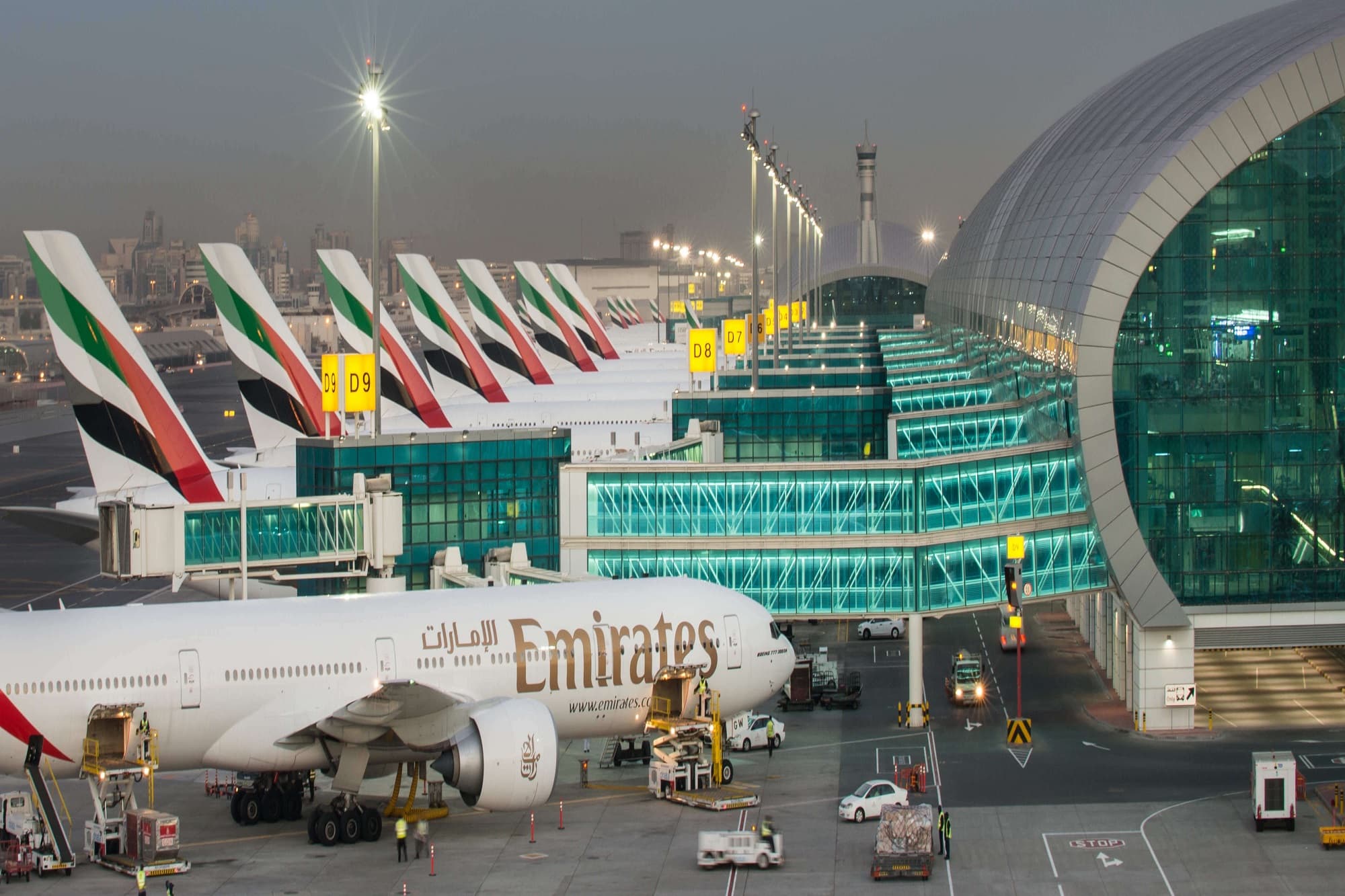
Iranian Drone Strike Shuts Dubai International Airport, Thousands Stranded
25 sources compared

Iran Drone Strike Shuts Dubai International Airport, Triggers Global Travel Disruption
16 sources compared

Iran's New Supreme Leader Mojtaba Khamenei Travels to Moscow for Leg Surgery
15 sources compared