Iran28 February, 20264 min read
US and Israel Kill Iran’s Supreme Leader Ayatollah Ali Khamenei
This article is an automated aggregation of coverage from news outlets. Our editorials offer in-depth analysis curated by the NewsCord team.
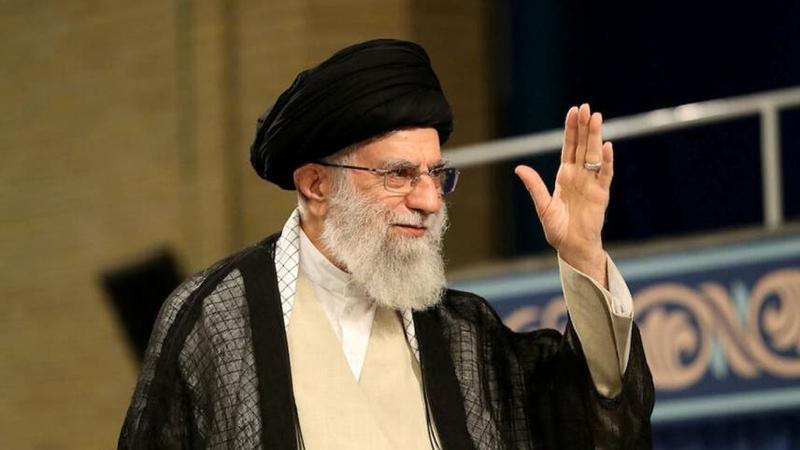
Iran’s Supreme Leader Ayatollah Ali Khamenei was killed in coordinated U.S.-Israeli strikes. Three U.S. service members were killed and five were seriously wounded, U.S. Central Command said.
83 outlets told this the same way.
Reported strikes on Iran leadership
U.S. and Israeli forces carried out coordinated strikes on Iran that multiple outlets report killed Supreme Leader Ayatollah Ali Khamenei and other senior figures. Reporting across sources describes the strikes as a concentrated campaign against leadership and military sites.
“U.S. and Israeli strikes killed Iran’s supreme leader Ayatollah Ali Khamenei and other senior figures, prompting Iran to vow revenge and launch missile and drone attacks on Israel and several Gulf Arab states.”
NPR said a sequence of strikes 'weakened Iran and precipitated Supreme Leader Ayatollah Ali Khamenei’s downfall,' Las Vegas Sun stated 'U.S. and Israeli strikes killed Iran’s supreme leader Ayatollah Ali Khamenei and other senior figures,' and Time Magazine said state media 'reported that Supreme Leader Ayatollah Ali Khamenei — who led for more than three decades — was killed in the opening salvo.' The New York Times described a precision strike on a leadership compound and noted that 'Ayatollah Ali Khamenei was in a nearby building at the time.'

Operation Epic Fury summary
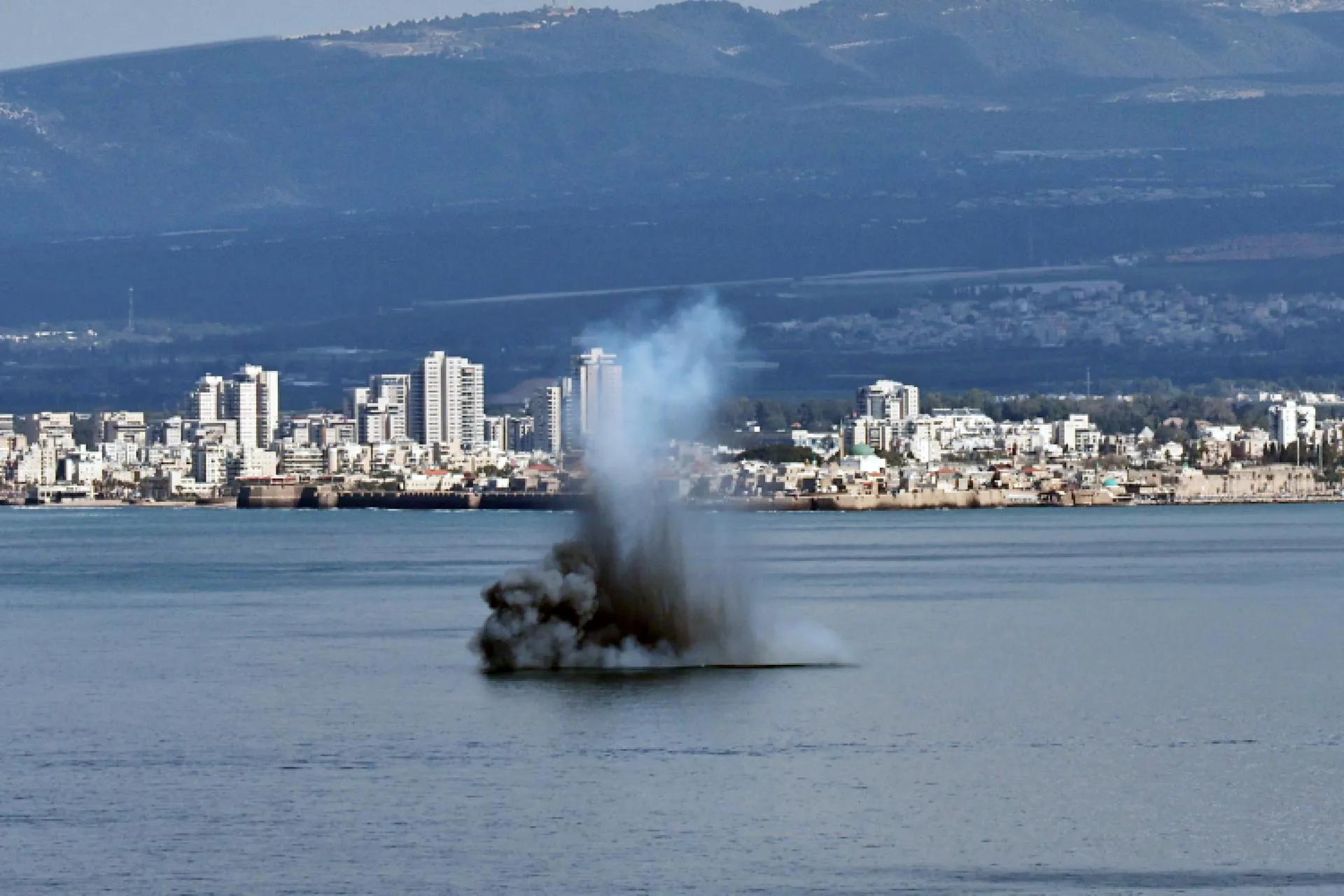
The attacks unfolded as a larger joint campaign the U.S. called Operation Epic Fury and produced immediate and heavy military exchanges across the region.
Al Jazeera noted CENTCOM announced three US service members were killed and five seriously wounded, calling them the first US casualties in the ongoing campaign.
Army Times similarly said U.S. Central Command announced three U.S. service members were killed in action and five more were 'seriously wounded'.
Mint wrote that the Pentagon said three U.S. service members were killed, five seriously wounded and others suffered minor injuries during 'Operation Epic Fury.'
Reports described reciprocal Iranian strikes and contested claims about strikes on U.S. ships.
Le Monde reported the IRGC claimed it struck the aircraft carrier USS Abraham Lincoln; the U.S. denied the carrier was hit and said the missiles 'didn't even come close.'
Casualty reports after strikes
The strikes and reprisals produced significant civilian harm and contested casualty figures inside Iran and across the region, with some reports diverging on specific tolls. Several outlets cited Iranian Red Crescent or state-affiliated figures that put Iranian deaths in the hundreds. The Morning Sun and Las Vegas Sun replayed Iranian state broadcaster or Red Crescent figures of roughly 201 dead and hundreds wounded.
“Iran’s state broadcaster, citing the Iranian Red Crescent, reported 201 dead and 747 injured (figures not independently verified).”
NBC News reported that Iranian state-affiliated media said a strike on a girls' primary school in Minab killed 153 students and injured 95, and NBC News could not independently confirm those figures. Israeli authorities also reported civilian deaths from incoming strikes, with The Impartial Reporter noting that Israel reported 10 killed and 28 wounded after a missile hit a synagogue in Beit Shemesh, and other outlets reported at least nine killed there. Several sources explicitly flagged that some casualty reports remain unverified or are disputed.
Iran interim leadership council
Iran’s political institutions moved to a temporary succession arrangement amid the chaos, but analysts and opposition figures offered sharply different readings of what that will mean. Multiple outlets described a three-member interim leadership council assuming powers under the constitution. The Daily Star reported that a three-member transition council — the president, the head of the judiciary and one jurist from the Guardian Council — has been established to run affairs until a new leader is elected.
DW said a three-member transitional council (President Masoud Pezeshkian, Supreme Court Chief Justice Gholam-Hossein Mohseni-Ejei and Ayatollah Alireza Arafi) has assumed supreme-leader powers pending selection of a new leader. Le Monde noted that Tehran moved to a temporary leadership council, naming Ayatollah Alireza Arafi to join interim head Mohammad Mokhber (and Pezeshkian in some accounts) while a permanent successor is chosen. Daily Maverick quoted analysts warning that while Khamenei’s death and other leadership losses are a major blow, they do not necessarily guarantee the end of Iran’s clerical rule or the Revolutionary Guard’s influence.

International reactions to strikes
The strikes triggered broad international alarm, regional disruption and warnings about wider escalation and economic fallout. Airspace and shipping were disrupted — The Straits Times reported 'on Feb 28 Iran's missile retaliation prompted the closure of major Middle Eastern airports, including Dubai and Doha.' NDTV said the IRGC 'declared the Strait of Hormuz closed, prompting major shippers such as Maersk to suspend transits.'
“The Islamic Revolutionary Guard Corps declared the Strait of Hormuz closed, prompting major shippers such as Maersk to suspend transits and leaving hundreds of vessels anchored as at least three tankers were reported damaged.”
Las Vegas Sun warned the exchanges 'mark a sharp escalation with risks of a prolonged, wider Middle East war and potential disruption to global energy supplies if the Strait of Hormuz is affected.' At home and abroad governments reacted: The Guardian quoted President Donald Trump warning the U.S. would respond with 'a force that has never been seen before' if Iran retaliates. CBS News noted U.S. agencies were preparing for protests and cyber risks, writing a DHS notice 'warned officials to prepare for Iranian-linked protests and said its biggest short-term concern is cyberattacks from 'Iran-aligned' hacktivists.'
