Iran-Israel03 March, 20263 min read
US and Israel Kill Iran’s Supreme Leader Ayatollah Ali Khamenei, Escalating Regional War
Joint U.S.-Israeli airstrikes killed Iran's Supreme Leader Ayatollah Ali Khamenei. Iran and its proxies retaliated with missiles and strikes, widening the conflict and causing casualties.
33 outlets told this the same way.
Outlets did split on U.S. Intercepts Iran Message Activating Sleeper Cells After U.S.-Israel Strike Kills Khamenei →
Khamenei death reports
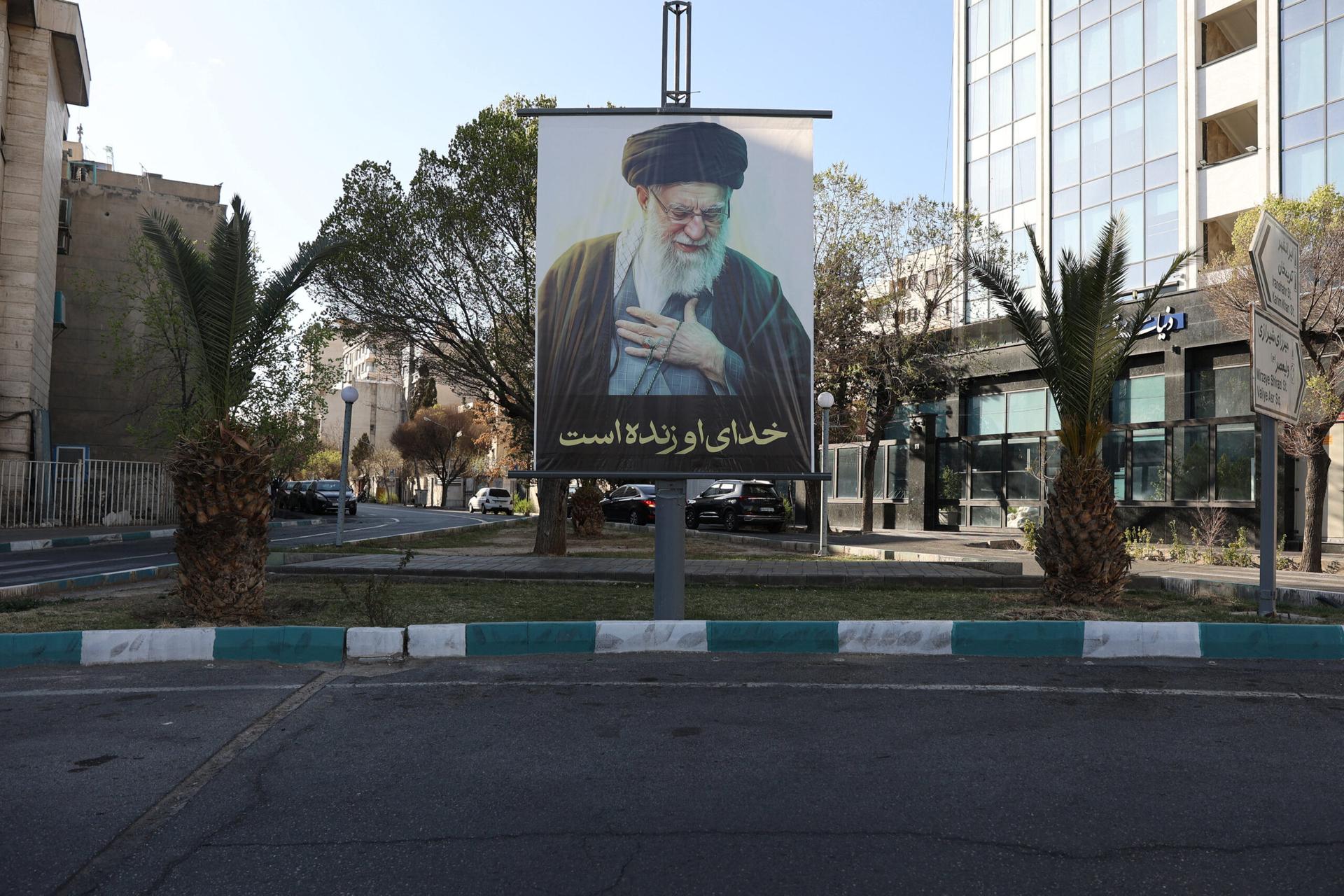
Joint U.S.–Israeli airstrikes inside Iran have been widely reported to have killed Iran’s Supreme Leader Ayatollah Ali Khamenei and multiple senior officials. Those reports have been described as triggering an immediate regional escalation and have driven military and diplomatic reactions across the region. Al Jazeera said the confrontation "escalated into open military hostilities when joint US–Israeli strikes inside Iran — dubbed Operation Epic Fury by the Pentagon — began late February."
“The long-running US–Iran confrontation escalated into open military hostilities when joint US–Israeli strikes inside Iran — dubbed Operation Epic Fury by the Pentagon — began late February.”
Sky News reported, "Iran’s supreme leader Ayatollah Ali Khamenei has been killed in US‑Israel airstrikes, according to the report." CBS News noted, "The article reports that Iran’s Supreme Leader Ali Khamenei was killed along with roughly 40 other senior regime figures in the initial strike." The reports are being circulated alongside official statements from U.S. and Israeli sources.
Qom Assembly strike reports
Reports say strikes hit institutions tied to Iran’s succession process, including a building linked to the Assembly of Experts in Qom. The Assembly of Experts is described as an 88-member clerical body empowered to choose a new supreme leader. Morocco World News stated, "Israel struck the compound of Iran’s Assembly of Experts in Qom on Tuesday as the 88-member council convened."
Israel Hayom and The Jerusalem Post cited Iranian and regional outlets saying the Qom structure was "flattened." Al-Jazeera Net and Anadolu Agency stressed these accounts remain unverified and noted Iranian outlets described the struck site as an older auxiliary building not used for principal meetings. These conflicting descriptions—active meeting versus empty auxiliary facility—underscore major uncertainties about who was present and whether senior clerics were killed at that specific site.

Middle East military escalation
Iran’s military response and the wider regional fighting have been described as multi‑front and cross‑border, with missile and drone barrages, proxy attacks and strikes on Gulf cities and U.S. military sites. Al Jazeera summarized CENTCOM and U.S. military claims that “the campaign has employed more than 20 weapons systems” and Iran “retaliated with missiles and drones against Israel, U.S. military sites around the Gulf, and targets in Riyadh and Dubai.” NBC New York reported similar reprisals and said “Iran’s deputy/foreign minister Abbas Araghchi said some Iranian military units are operating independently of central control.”
“CENTCOM says the campaign has employed more than 20 weapons systems across air, sea, land and missile-defence forces... Iran retaliated with missiles and drones against Israel, U.S. military sites around the Gulf, and targets in Riyadh and Dubai.”
The Times of India and Manchester Evening News documented explosions in Doha, Dubai and Abu Dhabi plus attacks claimed by Iraqi militias against U.S. forces. Multiple outlets therefore portray a rapid widening of the conflict across the Middle East.
Casualty and damage reports
Casualty and damage reports vary by source and remain contested. Al Jazeera cited the Iranian Red Crescent as reporting "555 people killed across 130 locations as of Monday." Other outlets and state statements described hundreds more or different figures, with Anadolu Agency noting Iran said the initial weekend strikes "reportedly killed nearly 800 people."
CBS News and Manchester Evening News reported U.S. casualties, with the Pentagon confirming "three U.S. service members were killed in the operation." CENTCOM and Western outlets also described widespread strikes on military and nuclear-related facilities. Analysts warned of substantial material and economic costs from the campaign.

Iran interim leadership
Political and diplomatic fallout was immediate and uncertain after Iran activated a three-member interim leadership council, and multiple outlets named the members while cautioning that the succession is contested and opaque. Sky News and CNBC reported the provisional council members as "reformist President Masoud Pezeshkian, hard-line judiciary chief Gholamhossein Mohseni Ejei, and jurist Alireza Arafi." Fox News profiled Alireza Arafi and detailed concerns around him.
“A provisional three‑member leadership council has been activated to carry out the supreme leader’s duties in the interim; local reports identified the members as President Masoud Pezeshkian, Judiciary Chief Gholam‑Hossein Mohseni‑Ejei and Ayatollah Alireza Arafi.”
NBC New York and The Times of India noted mixed signals about willingness to negotiate, saying some Iranian officials signalled openness to talks while others, like Ali Larijani, rejected negotiations. Several outlets emphasised that many central claims remain unverified or conflicted and urged verification from multiple sources.