
U.S. and Israel Kill Iran’s Supreme Leader Ayatollah Ali Khamenei in Joint Strikes
Operation Epic Fury reports
Operation Epic Fury began on Feb. 28 as a coordinated campaign that struck Iranian military and government targets.
“- Iran has effectively shut down internet access and closed its airspace after the US and Israel launched strikes”
Defence Industry Europe described the operation as one that "began Feb. 28 and targeted Iranian command-and-control sites, ballistic missile locations, and the compound where Khamenei met with senior advisers," and explicitly noted that "U.S. and Iranian officials have confirmed Khamenei's death."
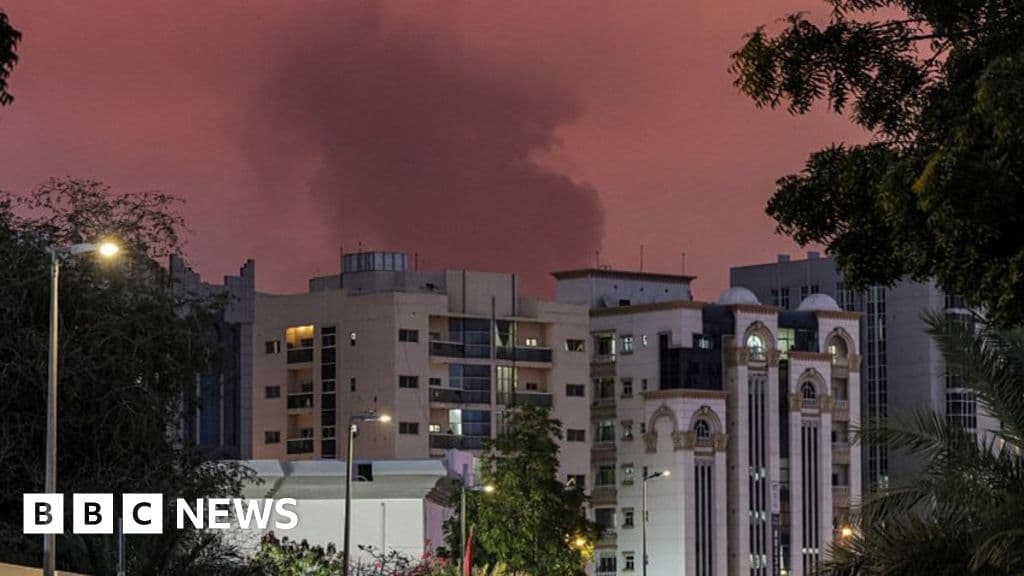
BBC reported that "A news report said Iran's Supreme Leader Ayatollah Ali Khamenei was killed in Tehran during the initial wave of attacks, though that claim has not been independently verified."
Time similarly stated that "Iran's Supreme Leader Ayatollah Ali Khamenei and dozens of senior officials were killed in the strikes."
These accounts contradict each other: Defence Industry Europe noted that U.S. and Iranian officials confirmed Khamenei's death, while BBC said the claim had not been independently verified, and Time reported that Iran's Supreme Leader Ayatollah Ali Khamenei and dozens of senior officials were killed.
Joint U.S.-Israeli strikes
The strikes were jointly executed by U.S. and Israeli forces and were described as a multi‑domain campaign combining air, sea, cyber and space effects.
Time framed the operation as 'joint U.S.–Israeli strikes on Iran' labeled 'Operation Epic Fury' and reported that the strikes 'have reportedly killed more than 1,000 people — including over 150 schoolchildren.'
BBC reported Israeli statements after heavy bombardment saying 'Israel announced a 15th wave of strikes aimed at Tehran and Isfahan ... and said about 50 fighter jets took part.'
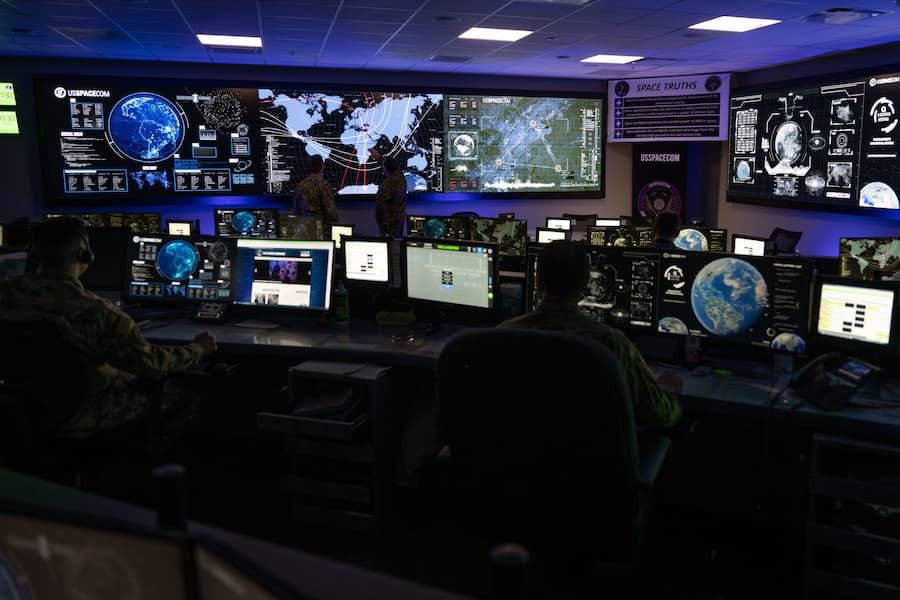
Defence Industry Europe emphasized the campaign combined air, sea, cyber and space effects and said SPACECOM and CYBERCOM conducted nonkinetic operations that disrupted Iranian sensors, communications and coordination.
U.S. space and cyber roles
U.S. space and cyber forces were credited with key enabling roles in degrading Iran’s ability to sense and coordinate, using both kinetic and non-kinetic tools.
“The Middle East has been plunged into a new era of volatility after joint U”
Defence Industry Europe detailed that nonkinetic space and cyber actions helped blind and fragment Iran’s ability to sense and coordinate a response, enabling follow-on large-scale strikes.
It listed capabilities including ground telescopes and radars, intelligence and electronic-warfare assets, missile-warning/defense sensors linked to NRO intelligence, and coordination via U.S. Space Forces Central.
The Defence report also noted operational effects on maritime navigation, saying vessels in the Strait of Hormuz have reported GPS and AIS interference since the strikes.
BBC and Time documented the human cost and U.S. losses during the campaign.
BBC wrote that "The U.S. Department of Defense says six U.S. service members have been killed since the conflict began."
Time said "several U.S. servicemembers have since been killed."
Consequences of the strikes
The strikes’ political and strategic consequences were portrayed as profound and destabilizing.
Time reported the killings "created a power vacuum in Tehran and leaving the future of Iran’s theocratic government uncertain."
Time said the operation "has collapsed nascent U.S.–Iran talks on the future of Iran’s nuclear program" while noting "The Trump Administration has openly called for regime change."
Defence Industry Europe emphasized the growing operational importance of integrated space and cyber effects in modern warfare, saying the account "highlights the growing operational importance of integrated space and cyber effects."
BBC’s reporting on the scale and visibility of Israeli waves of strikes — including video the Israeli government released — underscores the public and international attention the campaign drew.
Reporting caveats and fallout
Key details remain contested or were reported with caveats by different outlets, and the sources note potential future risks.
BBC explicitly cautioned that the initial report of Khamenei’s death was "not been independently verified."
Defence Industry Europe warned that "Iran’s counterspace capabilities are mostly rudimentary (jamming/spoofing); more advanced threats could come from external actors," highlighting ongoing technical and strategic uncertainties.
Time documented immediate regional fallout, stating the strikes "have prompted a wave of Iranian retaliatory attacks across the region," underlining that the situation continues to evolve and that verification and long-term consequences remain open questions.
Key Takeaways
- U.S. and Israeli strikes began on Feb. 28, targeting Iranian government and military sites
- Ayatollah Ali Khamenei was killed in the strikes, confirmed by U.S. and Iranian officials
- Iran launched widespread missile and drone retaliatory attacks, expanding the conflict across the region
More on Iran-Israel

Israel Pounds Tehran, Beirut With Broad-Scale Airstrikes
16 sources compared
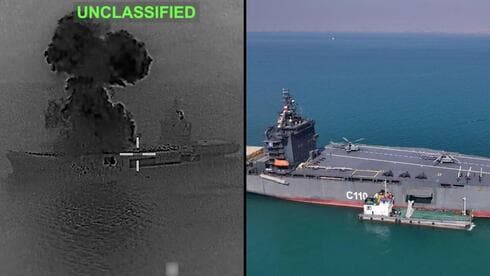
US and Israel Intensify Airstrikes on Tehran, Hit Iranian Drone-Carrier Ship
11 sources compared

US Sinks Iranian Warship
19 sources compared

US, Israel Pound Iran After Killing Ayatollah Ali Khamenei; Trump Warns War Could Last Weeks
37 sources compared