Iran-Israel01 March, 20263 min read
US and Israel Kill Iran's Supreme Leader Ayatollah Ali Khamenei in Massive Strike
This article is an automated aggregation of coverage from news outlets. Our editorials offer in-depth analysis curated by the NewsCord team.
US and Israel launched massive coordinated military strikes on Iran Iran's Supreme Leader Ayatollah Ali Khamenei was killed in the strikes

7 outlets told this the same way.
Outlets did split on U.S. Intercepts Iran Message Activating Sleeper Cells After U.S.-Israel Strike Kills Khamenei →
Reports on Khamenei's death
Multiple outlets report that joint U.S.-Israeli strikes killed Iran's supreme leader, Ayatollah Ali Khamenei, and that Iranian state media confirmed his death amid continuing strikes. The New York Times states: 'Joint U.S.-Israeli attacks killed Iran's supreme leader, Ayatollah Ali Khamenei… The state news agency confirmed his death.'
“Joint U.S.-Israeli attacks killed Iran’s supreme leader, Ayatollah Ali Khamenei, who had led the country for nearly 37 years, the Iranian government said. The state news agency confirmed his death as another round of U.S. and Israeli strikes hit Iran; an initial attack on Saturday prompted retaliatory strikes by Iran against Israel and U.S. interests. President Trump had announced Khamenei’s death hours earlier and said heavy bombing in Iran would continue ‘uninterrupted throughout the week, or, as long as necessary to achieve our objective of peace.’”
CBS relays President Trump's view that U.S. and Israeli strikes 'killed Supreme Leader Ayatollah Ali Khamenei' and that the strikes had made a diplomatic solution 'much easier now.' The BBC cautions that these are the article's reported claims, notes they are unverified and contradict other timelines, and says the reports should be understood as assertions by the sources rather than independently confirmed facts.

Regional missile and drone exchanges
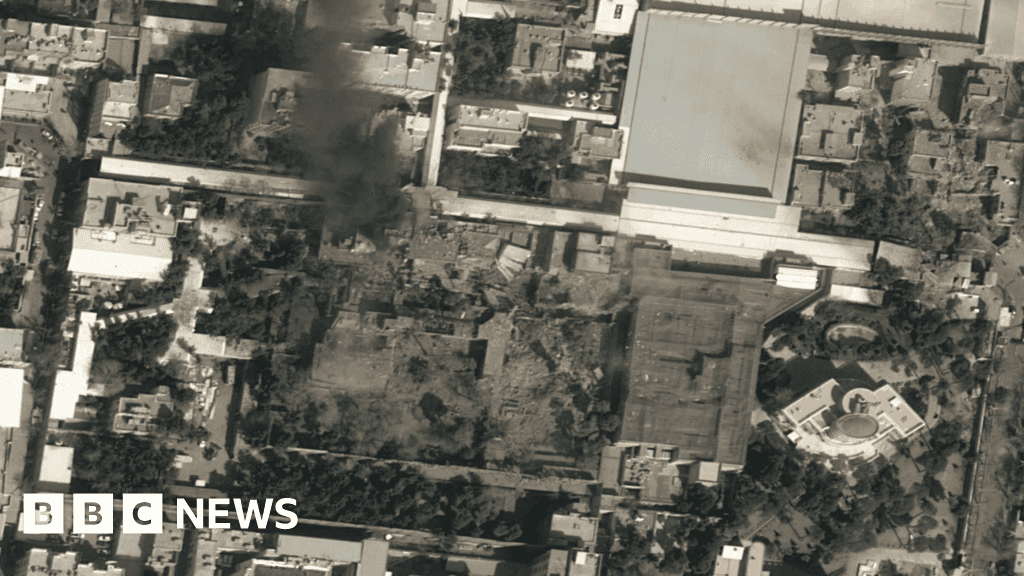
The events quickly escalated into wide regional exchanges of missiles and drones. Iranian forces were reported to have launched a series of missile and drone strikes across the region that caused deaths, injuries and widespread damage while air defences scrambled to intercept many incoming weapons.
Al Jazeera provides a country-by-country account of impacts across Israel, the United States, Bahrain, Iraq, Jordan, Kuwait, Oman, Qatar, Saudi Arabia and the UAE, describing disrupted civil aviation and suspended public activities. The BBC’s summary of the reporting frames the situation as an active and escalating conflict across the Middle East and describes Iranian retaliation against U.S. assets and regional allies.
Casualties and damage summary
Reports described casualties and damage across multiple countries. Al Jazeera reported that in Tel Aviv one woman was killed, at least 121 people were injured, and at least 40 buildings were damaged. US Central Command said 3 US soldiers were killed, 5 were seriously wounded, and others suffered concussions.
“Joint U.S.-Israeli attacks killed Iran’s supreme leader, Ayatollah Ali Khamenei... an initial attack on Saturday prompted retaliatory strikes by Iran against Israel and U.S. interests.”
The UAE reported at least 3 killed and 58 wounded, with debris and shrapnel hitting residential areas and airports. Kuwait and Qatar reported deaths and dozens of injuries. The New York Times and BBC described heavy bombing and sustained strikes that produced cross-border impacts and disruptions to civil life.
Political and military statements
Political leaders and military authorities made stark statements as the strikes continued. CBS reports that Iran’s Revolutionary Guard warned of a “ferocious offensive operation.” CBS quotes President Trump saying the strikes had been effective and calling them “a great day for this country, a great day for the world.”
The New York Times records President Trump’s announcement of Khamenei’s death and his pledge that heavy bombing in Iran would continue “uninterrupted throughout the week, or, as long as necessary to achieve our objective of peace.” The BBC reports claims that President Trump urged Iranian forces to surrender and called on the Iranian people to rise up against their government, reflecting how political messaging has been mixed with military action in the reporting.

Security and reporting gaps
Officials warned of wider security and civil impacts alongside battlefield developments, and some reports and outlets flagged gaps or unverified elements in coverage. CBS says DHS issued 'a notice warning federal, state and local officials to expect protests in response to events in Iran' and that its biggest short-term concern was cyberattacks from 'Iran-aligned hacktivists'. Al Jazeera documents major disruptions to civil aviation and public life, including Qatar grounding flights and moving schools to remote learning.
“Qatar suspended air navigation, grounded Qatar Airways flights and moved schools to remote learning; public Ramadan gatherings suspended.”
The BBC explicitly cautions that several dramatic claims in the reporting remain unverified and contradict other timelines. A representative response from the Las Vegas Sun emphasizes incomplete reporting and the need for full text or confirmation to verify specific lines such as whether the military 'reported no U.S. casualties,' underscoring persistent information gaps in the available pieces.
