
US and Israel Kill Iran's Supreme Leader in Strikes
US and Israeli strikes in Iran
On 28 February 2026, the US and Israel launched widespread strikes across Iran that targeted missile infrastructure, military sites and leadership.
“Why did US and Israel attack Iran and how long could the war last”
Iran’s supreme leader Ayatollah Ali Khamenei was killed in the first wave, and Israel said dozens of senior IRGC figures were also killed.
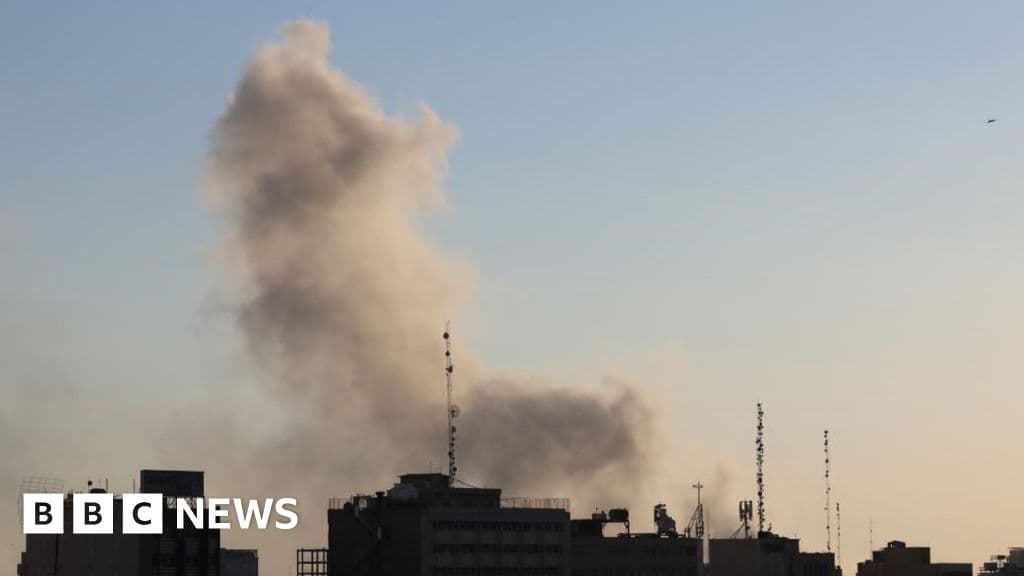
At least one outlet described the operation as a joint assault called Operation Epic Fury that caused widespread destruction and heavy civilian casualties.
Those accounts included a reported strike on a school in Minab that killed many children.
Together, these reports portray a coordinated, high-casualty campaign by US and Israeli forces that killed Iran’s top political-religious leader and senior military personnel.
Civilian death toll discrepancies
Reported death tolls and civilian impacts differ by source.
Iranian authorities were reported to put the overall death toll at 787, while a US-based rights group was cited at 742 civilian deaths, including 176 children, presenting a discrepancy between sources.

Independent reporting also highlighted specific mass-casualty incidents such as the Minab school strike, which reportedly killed at least 153 people, demonstrating both national tallies and local tragedies in the weeks of strikes and reprisals.
Regional transport and communications
Violence quickly spread beyond Iran’s borders and disrupted regional transport and communications.
““I think that is a big miscalculation on the part of Iran,” Petraeus told 24 with Fardad Farahzad Show, arguing that striking Arab countries that had sought to avoid direct involvement could push them to contribute more directly to regional defense efforts”
Reports cited strikes and reprisals involving Gulf states and other countries.
Major airports in Dubai, Abu Dhabi and Doha were closed, leaving thousands stranded.
There were wider disruptions such as Iran largely cutting internet access and closing airspace.
These details indicate the conflict’s rapid regional escalation affecting civilian mobility and communications.
Pre-emptive strike rationale
Officials framed the strikes as pre-emptive.
Israel’s defence minister called the attacks 'pre-emptive' to remove threats to Israel, while US officials said they acted pre-emptively because they expected Iranian attacks on American forces.
These characterisations prompted calls from some US lawmakers for evidence that Iran posed an imminent threat.
At least one former US intelligence officer later claimed decisions to attack had been made earlier than public timetables suggested.
The sources therefore present both the stated rationale for the strikes and domestic questioning of that rationale.
Uncertainties in conflict reporting
The reporting documents rapid escalation and widespread damage.
“As Washington and Tehran trade strikes in the aftermath of Operation Epic Fury, attention has turned to comments made just days before the offensive by former CIA officer John Kiriakou, who publicly suggested that a US attack on Iran was imminent”
Major uncertainties remain: the BBC's coverage explicitly notes it gives no estimate of how long the war might last, and the available snippets do not reconcile differing casualty counts or provide full independent verification of leadership and IRGC deaths beyond the claims reported.
I was provided only these two source excerpts (BBC and The Times of India), so a fuller multi-perspective synthesis or confirmation from additional regional or international sources is not possible here.
Key Takeaways
- US and Israel launched major strikes against Iran
- Iran attacked US-allied Persian Gulf states, striking civilian and energy infrastructure
- Strikes targeted Iran's missile systems, degrading its retaliatory capabilities
More on Iran-Israel

Israel Pounds Tehran, Beirut With Broad-Scale Airstrikes
16 sources compared
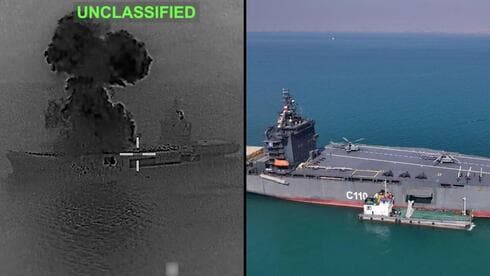
US and Israel Intensify Airstrikes on Tehran, Hit Iranian Drone-Carrier Ship
11 sources compared

US Sinks Iranian Warship
19 sources compared
US, Israel Pound Iran After Killing Ayatollah Ali Khamenei; Trump Warns War Could Last Weeks
37 sources compared