Iran28 February, 20262 min read
U.S. and Israel Kill Iran's Supreme Leader Khamenei in Strikes on Tehran
United States and Israel launched coordinated, large-scale strikes across Iran named Operation Epic Fury Iran's Supreme Leader Ayatollah Ali Khamenei was killed in the strikes

25 outlets told this the same way.
United States and Israel strikes
Early on 28 February 2026, the United States and Israel carried out coordinated, large-scale strikes inside Iran. Multiple outlets described the strikes as a joint operation, and U.S. and Israeli officials gave names to the missions. The United States called its mission "Operation Epic Fury" while Israel used the name "Operation Lion's Roar".
“Israel announced it had launched missile strikes inside Iran; a U.S. official told Al Jazeera the strikes were part of a joint U.S.–Israeli operation. The U.S. Department of Defense later named the mission ‘Operation Epic Fury,’ and President Trump called the campaign ‘massive and ongoing.’”
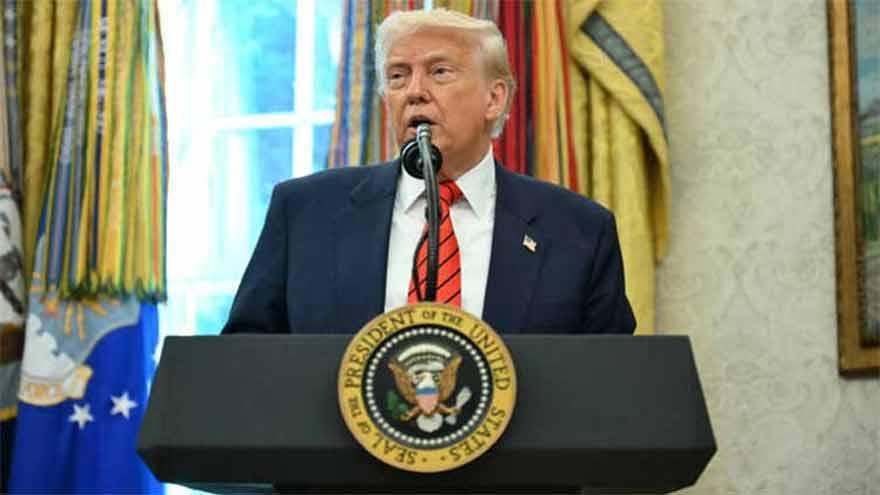
President Donald Trump announced the operation and characterized it as "massive". Iranian state media and several international outlets later confirmed that Supreme Leader Ayatollah Ali Khamenei was killed in the strikes, and Iran declared a period of national mourning.

Strikes in Iran's heartland
Strikes struck Iran’s political and military heartland, with reporting noting damage in Tehran’s Pasteur Street and other central districts. Satellite imagery showed heavy destruction to parts of Khamenei’s offices. U.S. and allied sources and media said roughly 40 senior Iranian officials were killed.
Outlets described explosions across Tehran and other cities and listed specific target areas near IRGC headquarters and offices linked to the supreme leadership. Iranian and international reporting raised fears of significant civilian casualties.
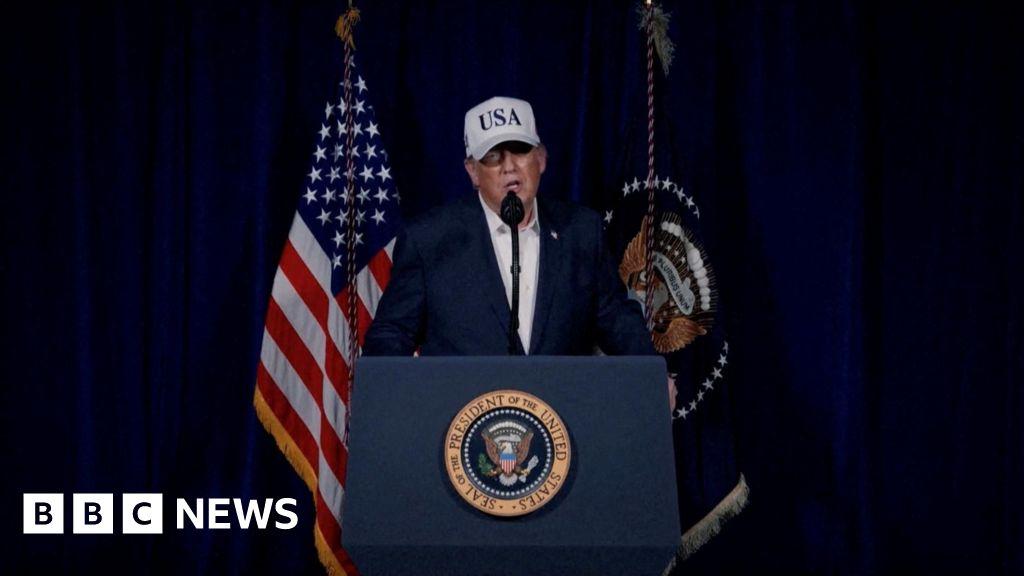
U.S.-Israeli strike on Iran
U.S. and Israeli officials framed the operation as aimed at crippling Iran’s missile, naval and nuclear-related capabilities and at removing its senior command. Some Israeli statements described the assault as a deliberate "decapitation strike". President Trump reiterated objectives including destroying missile infrastructure and denying Iran a nuclear weapon, while critics argued the timing and surprise of the strikes — during active talks — prompted accusations the attack betrayed diplomatic channels.
“Trump’s stated objectives: destroy Iran’s missile capabilities and missile industry, ‘annihilate’ its navy, disrupt Iran-backed armed groups, and prevent Iran from obtaining a nuclear weapon.”
Iran military and political response
State and international reports say Tehran launched missile strikes toward Israel and at locations linked to U.S. forces. Iran also moved to an interim governance arrangement after Khamenei's death and vowed retribution.
Iranian authorities appointed interim leaders to govern until the Assembly of Experts selects a new supreme leader. Senior Iranian officials publicly promised an "unforgettable lesson" to the U.S. and Israel as counter-attacks and regional skirmishes followed.

Regional tensions and legality
The strikes and ensuing tit‑for‑tat exchanges sharply raised regional tensions and disrupted strategic routes and markets. This produced widespread international concern and debate over legality, escalation risk and the absence of a congressional declaration of war by the United States.
“The strikes and Iranian reprisals have raised regional tensions and disrupted key shipping routes such as the Strait of Hormuz, with wider implications for global energy and security.”
Analysts and commentators compared the operation’s timing and surprise to historical precedents and warned of wider fallout, including shipping disruptions via the Strait of Hormuz. They also noted that while major combat operations are underway the United States has not issued a formal constitutional declaration of war.