US and Israel Killings Won’t Shake Iran's System, Says Foreign Minister Abbas Araghchi.
Key Takeaways
- Iran's political system remains very strong and stable despite killings.
- Ali Larijani killed in Israeli strike; Iran vows retaliation.
- Escalating US-Israel actions prompt Iran's retaliation vows and strikes.
System Stability Claims
Iran's Foreign Minister Abbas Araghchi has defiantly asserted that the country's political system remains 'very strong and stable' despite the targeted killings of senior officials by US and Israeli forces.
“US-Iran War: Oil Prices Fall Despite Iran’s Retaliation Threat After Ali Larijani Killing Highlights - Iran vows retaliation after Ali Larijani’s assassination in Israeli strike”
Speaking to Al Jazeera, Araghchi emphasized that Iran's governance structure is built on 'well-established political, economic, and social institutions' that cannot be undermined by the loss of individual leaders.
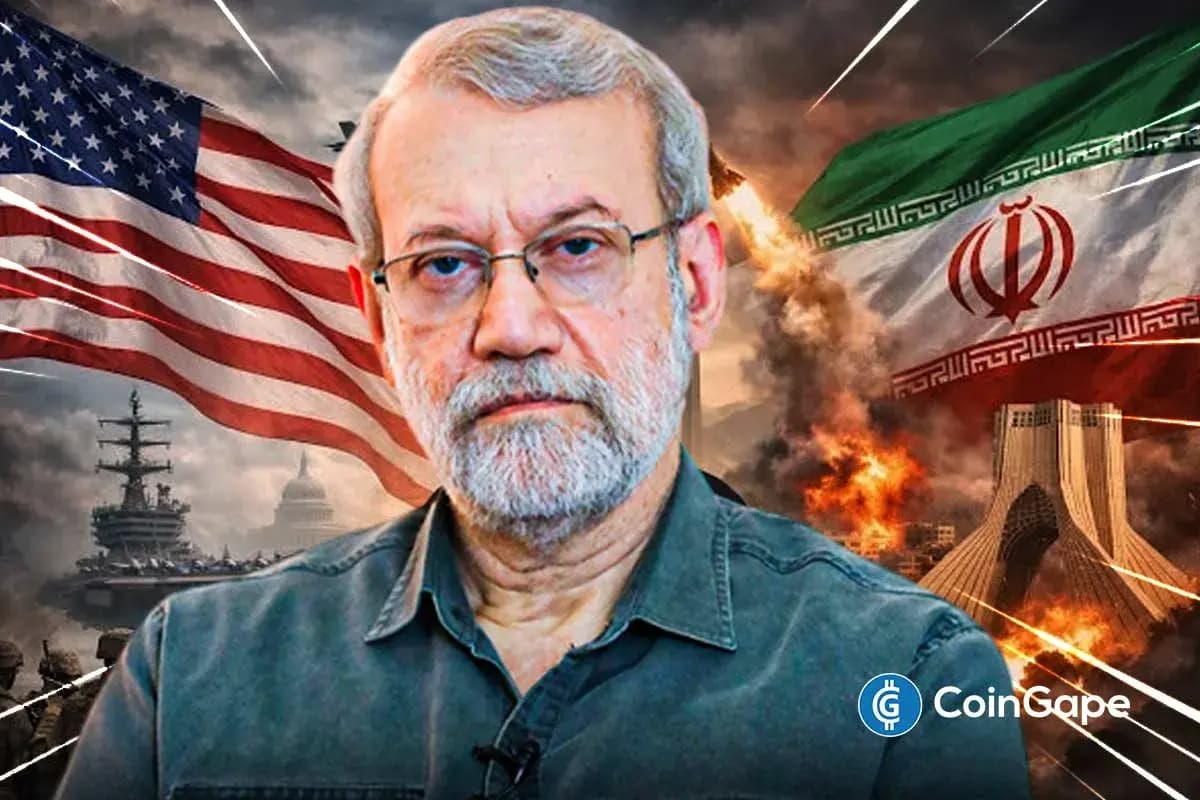
He stated that while individuals play important roles within the system, their absence does not affect the overall structure's robustness.
This message comes amid a period of intense regional conflict where Iran has lost multiple high-ranking figures including security chief Ali Larijani and Basij head Gholamreza Soleimani in Israeli strikes.
Yet Iran continues to function and respond militarily to what it views as acts of aggression.
Assassination Response
The killing of Iran's security chief Ali Larijani, who died along with his son Morteza Larijani and an aide in an Israeli airstrike, has triggered immediate and forceful retaliation from Tehran.
Iran launched a wave of missiles towards Israel in response, resulting in the deaths of two people near Tel Aviv according to emergency services.
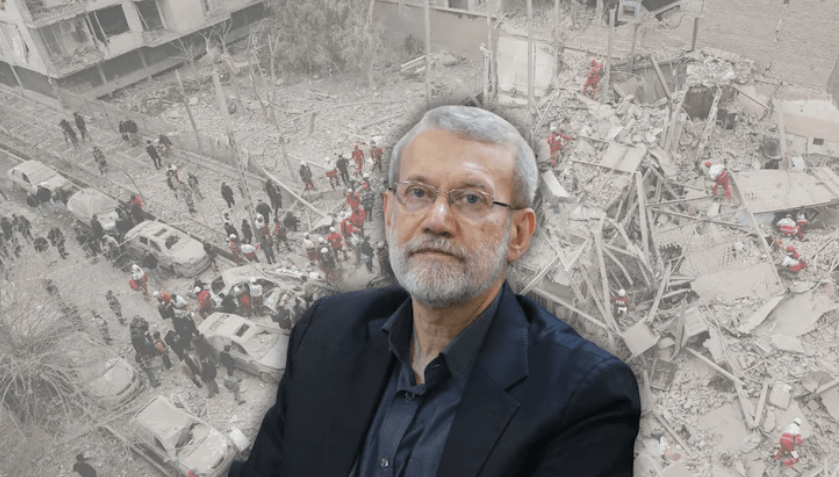
Iranian army chief Amir Hatami vowed that Iran's response would be 'decisive and regrettable,' indicating the severity of Tehran's reaction to what it views as an assassination of a top security official.
The attacks also targeted US bases in the region, prompting several Gulf countries to intercept incoming rockets and drones.
Funerals for Larijani and Gholamreza Soleimani, the head of Iran's Basij paramilitary forces who was also reportedly killed, were scheduled for Wednesday as Iran continued to process these significant losses while maintaining its military posture.
Regional Escalation
The conflict has expanded beyond immediate military exchanges, with Iran attempting to exert broader pressure on the international community and global markets.
“Iran’s Foreign Minister Abbas Araghchi has asserted that the country’s political system remains stable despite the killing of senior officials in recent attacks, emphasizing that governance in Iran is rooted in strong institutions rather than individuals”
Iran has effectively closed the Strait of Hormuz, through which one-fifth of the world's crude oil passes, creating significant economic concerns worldwide.
Iranian authorities have warned that the 'wider consequences of the conflict has only just begun and will hit all,' suggesting a deliberate strategy of economic warfare alongside military retaliation.
Regional tensions have escalated as Iran's Revolutionary Guards warned that Larijani's death would lead to further attacks, stating that his 'pure blood... will be a source of honour, power and national awakening against the front of global arrogance.'
Turkey's Foreign Minister Hakan Fidan criticised Israel's actions, describing the killings of Iranian leaders as 'illegal activities outside the normal laws of war,' while Israel signalled it could target Iran's new supreme leader Mojtaba Khamenei, who has not appeared in public since taking over following his father's death.
Market Stability
Contrary to expectations of market panic, global oil prices have remained relatively subdued despite the heightened tensions and Iran's strategic control of the Strait of Hormuz.
Oil prices actually fell by more than 3% on recent trading days, erasing previous sharp gains and defying predictions of supply-driven price spikes.
This unexpected market stability is attributed to the absence of major supply disruptions, as shipping operations through the Strait of Hormuz continue at a restricted yet constant speed.
The US easing of sanctions on Russian oil has also added downward pressure on prices, creating a counterbalance to the regional tensions.
CoinGape reports that 'there is still no major disruption to global supply' despite the escalating conflict, suggesting that markets are pricing in the possibility that Iran may not completely shut down oil flows despite its threats and capabilities.
US Military Escalation
The United States has significantly escalated its military response to Iran's actions, deploying some of its heaviest weapons against Iranian positions near the coast.
“US-Iran War: Oil Prices Fall Despite Iran’s Retaliation Threat After Ali Larijani Killing Highlights - Iran vows retaliation after Ali Larijani’s assassination in Israeli strike”
According to Central Command, several 5,000-pound (2,250 kg) bombs, each estimated to cost $288,000, were used to target hardened missile sites that pose a threat to international shipping routes.
President Donald Trump has taken an assertive stance, criticising allies for not offering greater support in securing the Strait of Hormuz while simultaneously asserting US independence.
Trump wrote, 'WE DO NOT NEED THE HELP OF ANYONE!' in a clear indication of the administration's determination to handle the crisis unilaterally if necessary.
This muscular military posture, combined with Trump's rhetorical challenges to international cooperation, suggests that the US is preparing for a prolonged confrontation with Iran despite the Iranian Foreign Minister's claims about system stability.
More on Iran

Israel strikes Iran's Pars gas field as Tehran vows revenge
14 sources compared
Trump threatens to blow up South Pars gas field if Iran attacks Qatar again
10 sources compared
UAE Halts Habshan Gas Facility Operations After Debris From Intercepted Missiles
10 sources compared

Iran Threatens Gulf Energy Facilities After Israel Strikes South Pars Gas Field
11 sources compared