U.S. and Israel Launch Airstrikes on Iran, Trigger Global Travel Alerts
Key Takeaways
- American and Israeli airstrikes hit Iran, escalating the confrontation.
- U.S. State Department issues worldwide travel alert urging departure amid escalation.
- Iran attacked ships, Dubai International Airport, and targeted oil facilities.
Military Escalation
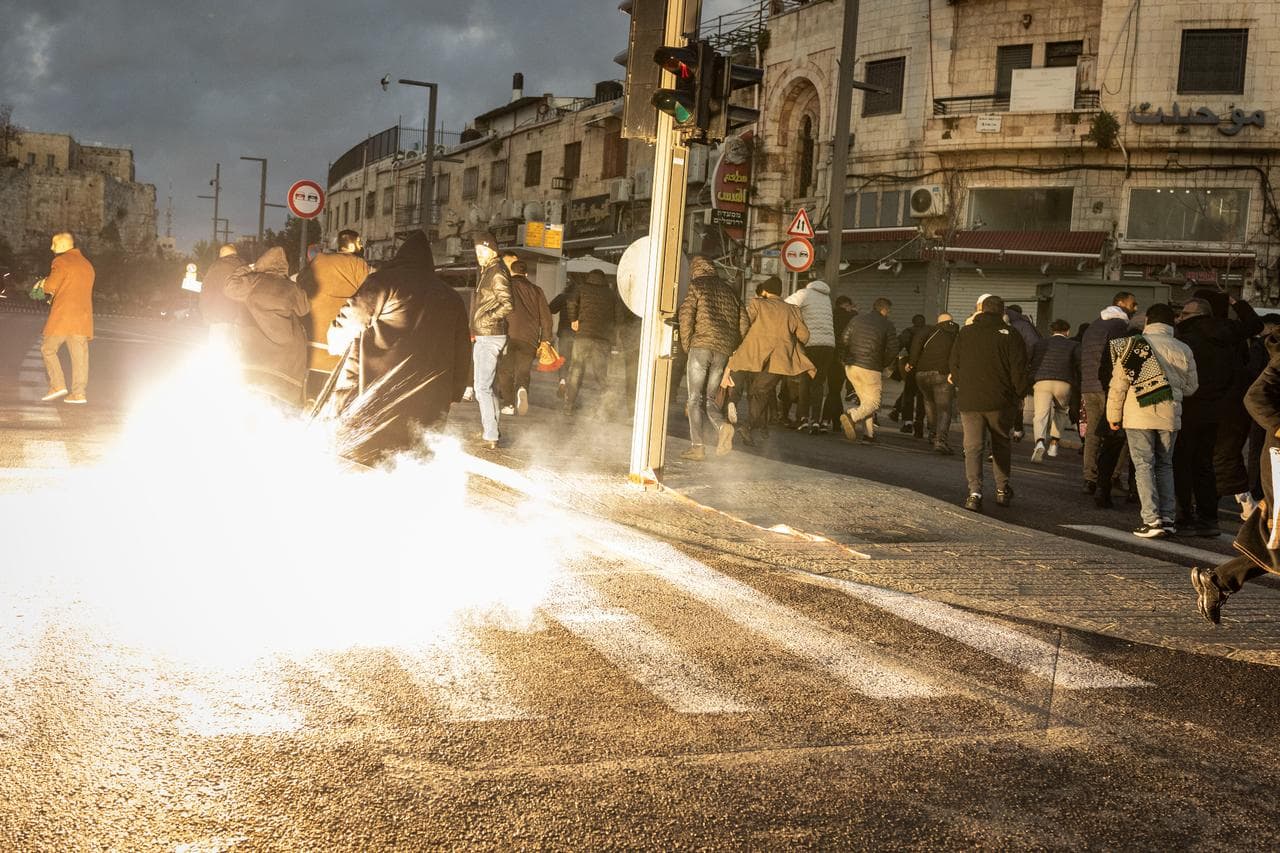
The United States and Israel have launched significant airstrikes against Iran, triggering widespread global travel alerts and creating an unprecedented security crisis across the Middle East and beyond.
““Your travel plans may be affected, even if your destination is not in the Middle East”
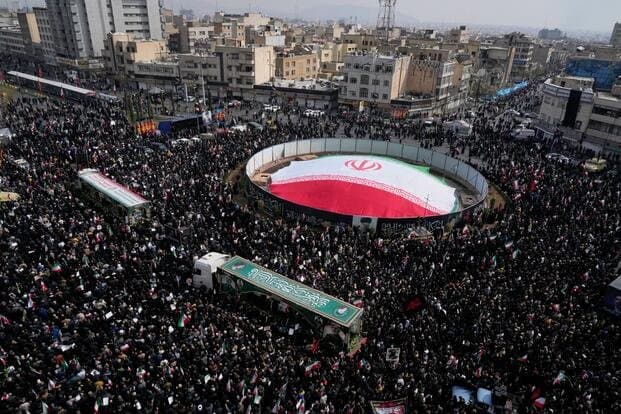
The attacks began with Israeli strikes that killed Iran's Supreme Leader Ayatollah Ali Khamenei and his wife, according to Israeli intelligence assessments.

Israeli intelligence indicates that Iran's new supreme leader, Ayatollah Mojtaba Khamenei, was wounded in the initial attack.
These strikes have prompted Iran to retaliate with attacks on commercial ships, Dubai International Airport, and strategic oil infrastructure, escalating regional tensions dramatically.
The conflict has led to immediate diplomatic consequences, with the UN Security Council voting 13-0 to condemn Iran's attacks on Gulf neighbors.
China and Russia abstained from the vote, calling the resolution 'extremely unbalanced' for not mentioning the initial strikes against Tehran.
Travel Crisis
Global travel infrastructure has been severely disrupted as countries rush to issue emergency travel advisories and implement evacuation orders.
The U.S. State Department dramatically increased Cyprus's travel advisory from Level 1 (Exercise Normal Precautions) to Level 3 (Reconsider Travel) after a drone strike hit the RAF Akrotiri air base.
The U.S. government has authorized the immediate departure of non-emergency personnel and their families from Cyprus.
Australia has updated its travel advice for Israel and Lebanon to 'do not travel' and warned of 'reprisal attacks and further escalation' across the Middle East.
The U.S. government has urged Americans to 'depart now' from Lebanon, Kuwait, and Iraq, while directing those in Iran, Israel, Jordan, and Saudi Arabia to 'shelter in place.'
Real-time sentiment data reveals only 31 percent of travelers currently in the region report feeling safe, despite official advisory levels remaining lower than the actual on-ground conditions suggest.
Economic Impact
The conflict has created severe economic disruptions, particularly affecting global energy markets and air travel.
Iran has effectively stopped cargo traffic through the Strait of Hormuz, through which a fifth of all traded oil passes.
Iran has targeted oil fields and refineries in Gulf Arab nations to generate economic pressure on the United States and Israel.
Oil prices have surged by 20% since the war began, prompting the International Energy Agency to release the largest volume of emergency oil reserves in its history - 400 million barrels from member countries.
Airlines are facing significant challenges, with up to 30% of Europe's jet fuel demand originating from the Persian Gulf.
This has led to massive flight cancellations and fare increases, with Air New Zealand, Scandinavian Airlines System, and other carriers announcing reductions in operations.
Vietnam has warned of flight cancellations beginning in April due to the ongoing conflict.
Infrastructure Attacks
Iran's retaliatory strikes have specifically targeted commercial infrastructure, including airports, shipping lanes, and financial institutions.
Two Iranian drones hit near Dubai International Airport, the world's busiest for international travel, wounding four people but failing to disrupt flight operations.
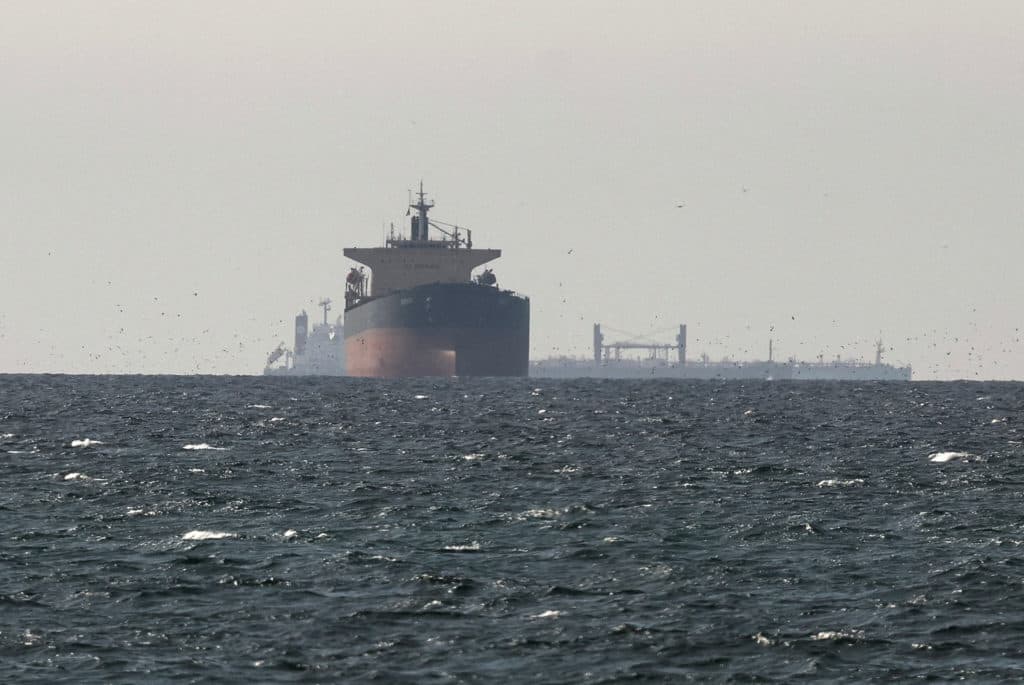
A projectile struck a Thai cargo ship off the coast of Oman in the Strait of Hormuz, setting it ablaze and leaving three crew members missing after 20 were rescued by the Omani navy.
Iran's joint military command announced it would begin targeting banks and financial institutions in the Middle East.
This poses particular threat to Dubai which is home to many international financial institutions.
The attacks have also caused significant displacement, with the U.N. refugee agency reporting at least 759,000 people internally displaced in Lebanon.
More than 92,000 others have crossed into neighboring Syria since the latest fighting began according to UN data.
Global Threats
In response to the escalating conflict, Iran has issued threats extending beyond traditional military targets to include civilian recreational and tourist sites worldwide.
“Australia has declared its support for US action against Iran to prevent it from obtaining a nuclear weapon and “to prevent Iran continuing to threaten international peace and security””
Iran's top military spokesman, Gen. Abolfazl Shekarchi, warned that 'parks, recreational areas and tourist destinations' would no longer be safe for Tehran's enemies.

Shekarchi stated, 'From now on, based on the information we have about you, even parks, recreational areas and tourist destinations anywhere in the world will no longer be safe for you.'
This unprecedented threat represents a significant escalation in the conflict's scope, potentially targeting civilian infrastructure and tourism industries globally.
Casualties continue to mount, with Iranian authorities reporting more than 1,300 people killed, Israel reporting 12 dead, and Lebanon's Health Ministry confirming at least 634 fatalities in the country since the latest fighting began.
These figures highlight the human cost of the escalating violence across the region.
More on Iran

President Trump Says Iran Deal Within Reach Amid Talks With Senior Iranian Official
10 sources compared

Trump Approves Iran Operation After Netanyahu Presses for Joint Strike on Khamenei
12 sources compared

President Donald Trump orders ICE officers deployed to airports amid DHS shutdown.
227 sources compared
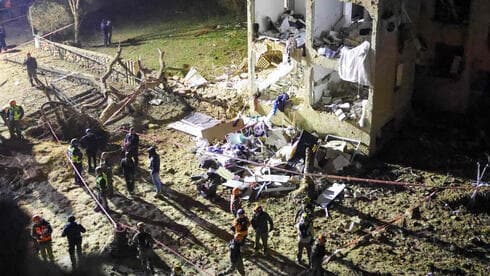
Iranian Missiles Strike Israel; Officials Report 180 Injured Amid Conflicting Casualty Figures.
12 sources compared