Iran01 March, 20263 min read
U.S. and Israel Launch Operation Epic Fury Against Iran; Sources Contradict Supreme Leader Khamenei's Death
U.S. and Israeli forces carried out coordinated strikes across Iran targeting military and leadership sites. Iranian state media reported Ayatollah Ali Khamenei's death; other outlets and officials disputed, denied it.

72 outlets told this the same way.
Operation Epic Fury summary
U.S. and Israeli forces launched a coordinated, months-in-the-making military campaign described by U.S. officials as 'Operation Epic Fury,' striking dozens of Iranian military and security sites including IRGC command-and-control centers, air defenses, missile and drone launch sites and military airfields. President Trump announced the campaign in prerecorded remarks, saying the strikes were meant to counter 'direct threats from Iran and its proxies to U.S. forces and maritime interests,' and U.S. planners said the operation used precision munitions delivered by air, land and sea after months of preparation. Spanish reporting and U.S. local outlets characterized Epic Fury as a 'massive and sustained' use of U.S. military force in the region and said planners had prepared the strikes for months to target Iran's missile and drone capabilities.
“President Trump, in prerecorded remarks posted on White House social media, announced ‘Operation Epic Fury,’ saying the strikes are meant to counter what he called direct threats from Iran and its proxies to U.S. forces and maritime interests.”
Iranian missile and drone strikes
Iran responded with multiple retaliatory missile and drone waves that triggered regional air‑defence engagements and sirens in Israel and Gulf states.
Reporting said Iranian launches prompted interceptions and strikes over or near Kuwait, Qatar, the UAE and Bahrain, with Bahraini officials reporting missiles struck the U.S. 5th Fleet headquarters in Manama; U.S. Central Command and other outlets said they were combating large numbers of Iranian missiles and drones and investigating reports of damage and civilian harm.

The exchange produced strikes and alerts across the wider region as countries hosting U.S. assets and Israel reported incoming threats and some localized damage.
Conflicting reports on Khamenei
Claims about the fate of Iran’s Supreme Leader Ayatollah Ali Khamenei were contradictory and remain contested across sources. Several U.S. and Israeli statements and some Israeli outlets indicated Khamenei had been killed, and Iranian state media later announced his death and declared a 40-day mourning period.
“The article reports that Iran’s Supreme Leader Ayatollah Ali Khamenei, 86, was killed in U.S.-Israeli strikes Saturday morning, with Iranian state media confirming the death early Sunday after U.S. President Donald Trump announced it on Truth Social.”
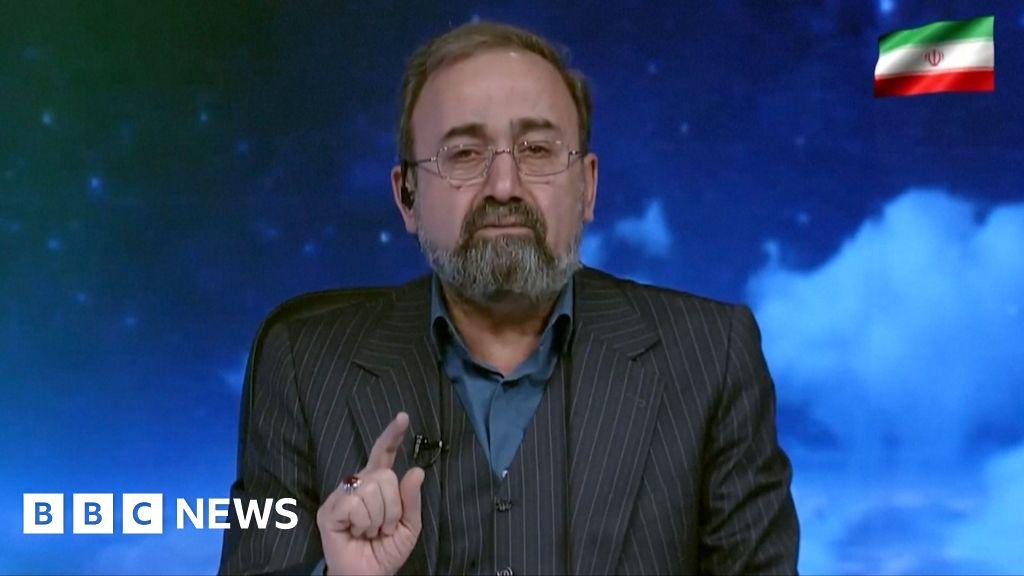
Other reporting noted conflicting signals, including Iranian officials later saying Khamenei was alive 'as far as I know'. Verification remains unresolved in the public record, and multiple outlets emphasize uncertainty and the fluidity of confirmations amid political messaging from all sides.
Reported civilian harm
The strikes and retaliations have generated reports of substantial civilian harm, though casualty figures differ across accounts and remain unverified in many cases. Iranian state media and the Red Crescent were cited as saying the strikes hit 24 provinces and killed at least 201 people, with reports of heavy losses at schools including dozens of elementary‑age girls; other outlets reported different school casualty figures and local officials gave varying totals, prompting multiple news organizations to flag those numbers as unconfirmed. Several outlets and international agencies called for investigations into civilian deaths and damage amid the broader exchange.
Reactions to military strikes
The political and diplomatic fallout was immediate. U.S. and Israeli leaders framed the operation as aimed at eliminating an imminent threat and achieving strategic objectives. International actors called for restraint and voiced sharp condemnation.
“U.S. President Donald Trump publicly celebrated the killing, appeared to acknowledge U.S. intelligence involvement (‘unable to avoid our Intelligence and Highly Sophisticated Tracking Systems’), and warned that bombing would ‘continue, uninterrupted.’”
President Trump publicly celebrated the reported results and warned bombing would "continue, uninterrupted." Israeli leaders said senior Iranian figures were killed. UN Secretary-General António Guterres urged de-escalation.
Russia and China condemned the strikes as unprovoked aggression. Analysts and regional officials warned the operation could deepen instability, complicate succession in Tehran, and carry long-term risks for regional security and civilian populations.