Iran-Israel03 March, 20264 min read
U.S. and Israel Launch Strikes on Tehran, Kill Supreme Leader Ayatollah Ali Khamenei
U.S. and Israeli forces launched sustained strikes across Iran, including Tehran. Supreme Leader Khamenei was killed during the joint U.S.-Israeli attack.
32 outlets told this the same way.
Outlets did split on U.S. Intercepts Iran Message Activating Sleeper Cells After U.S.-Israel Strike Kills Khamenei →
U.S. and Israeli strikes
U.S. and Israeli forces launched major strikes on Tehran and other Iranian cities. Multiple outlets reported the campaign included the killing of Supreme Leader Ayatollah Ali Khamenei, though verification remains contested. Arab Center Washington DC reported the operation "killing Iran’s Supreme Leader Ayatollah Ali Khamenei and several senior clerics while destroying military and other official targets."
“Fighting in the Middle East has escalated after U.S. and Israeli strikes that followed the reported killing of Ayatollah Khamenei.”
PBS summarized that "Fighting in the Middle East has escalated after U.S. and Israeli strikes that followed the reported killing of Ayatollah Khamenei." Local reporting described the attacks hitting state broadcasting facilities and political institutions, with the Honolulu Star-Advertiser saying strikes were "shaking the capital with repeated explosions and striking the IRIB state-broadcasting headquarters" and reporting an attack that "flattened the building housing the Assembly of Experts in Qom — the body that would help pick a successor to Supreme Leader Ali Khamenei." Some outlets noted the claim of Khamenei’s death but also flagged limited independent confirmation, with KCRA reporting that "Iranian state media says Supreme Leader Ayatollah Ali Khamenei was at his compound when the attacks began and has been confirmed dead," while other pieces cautioned that verification was incomplete.

Middle East escalation overview
The strikes triggered broad military escalation across the region, with missile and drone exchanges, proxy strikes, and actions that disrupted key sea lanes. Al Jazeera described how "Tensions across the Middle East sharply escalated after a series of strikes and counterstrikes involving Iran, Israel, Hezbollah and the United States, producing deaths, damage, embassy closures and regional travel warnings." Arab Center Washington DC reported that Iran "retaliated with missiles and armed drones against Israel and U.S. military facilities across all six Gulf Cooperation Council states."
Firstpost reported Tehran’s threats to shipping, quoting Iranian warnings that it would "set fire" to any ships trying to transit the Strait of Hormuz. Washingtonpost noted that strikes and counterstrikes included operations that "effectively closed the Strait of Hormuz, disrupting roughly 20% of global oil flows" (as reported by Arab Center). The reporting also noted widespread cross-border exchanges involving Hezbollah and Israeli forces.

Casualties, strikes, evacuations
Casualty figures and damage reports varied across sources, while U.S. forces also suffered losses and diplomatic facilities were threatened, prompting evacuations.
“Six U.S. service members were killed after an operation that began early Saturday with U.S. and Israeli strikes on Iran.”
Multiple outlets reported U.S. combat deaths.
NPR noted "U.S. Central Command reported six U.S. service members killed during Iran’s initial retaliatory strikes."
NBC News opened its summary that "Six U.S. service members were killed after an operation that began early Saturday with U.S. and Israeli strikes on Iran."
The Washington Post detailed strikes and damage, saying "A suspected drone strike hit the U.S. Consulate in Dubai, causing a small parking‑lot fire."
HuffPost described evacuations, writing "U.S. diplomats and families are being pulled out of several Gulf and Levant countries as the State Department ordered evacuations of non‑essential personnel."
Iranian and regional casualty counts also varied, with HuffPost citing the Iranian Red Crescent’s figure that "at least 787 people were killed in initial U.S.-Israeli strikes."
Firstpost and other outlets reported differing death tolls and noted that some leadership‑death claims were unverified.
U.S. and allied responses
Political messaging from U.S. leaders, allied governments and regional actors highlighted mixed objectives and rising diplomatic strain.
Arkansas Democrat-Gazette summarized President Trump’s public outline that the war "could last 'weeks or longer,'" and that he "did not rule out sending U.S. ground troops."
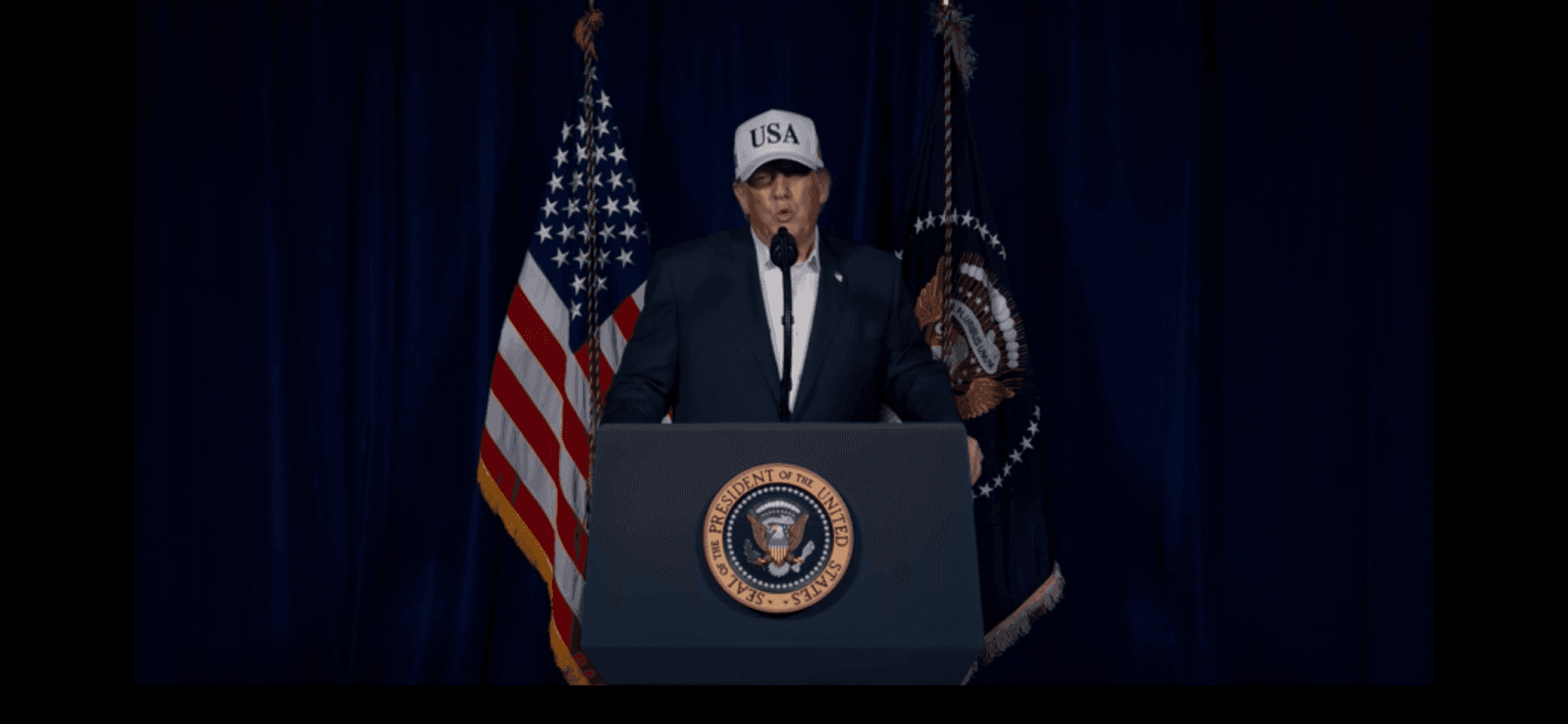
The Arkansas Democrat-Gazette added that President Trump set out aims to "destroy Iran’s missile capabilities, cripple its navy, prevent it from getting nuclear weapons, and stop support for allied armed groups."
BreakingNews.ie noted British politics were strained, saying "Prime Minister Keir Starmer initially refused to back U.S. strikes on Iran," though it reported he later allowed limited U.K. support.
Other outlets recorded sharp criticisms and calls for congressional oversight, with Arkadelphian saying Democrats pressed for a vote on Sen. Tim Kaine’s War Powers resolution and Senate leaders demanding classified briefings.
PBS and other outlets highlighted that U.S. explanations of war aims and the status of "regime change" shifted in public remarks, indicating inconsistent administration statements.
Economic and security fallout
The strikes and reprisals have immediate strategic and economic consequences while raising long-term security concerns, with analysts warning of expanded proxy activity and uncertain nuclear implications. Honolulu Star-Advertiser reported short-term market shocks, noting "crude oil jumped nearly 8% to above $83 a barrel (over 15% since Friday)", and broader market falls. Arab Center Washington DC said the fighting "effectively closed the Strait of Hormuz, disrupting roughly 20% of global oil flows."
“The fighting effectively closed the Strait of Hormuz, disrupting roughly 20% of global oil flows.”
Arkansas Democrat-Gazette and the Washington Post described strikes on nuclear-related facilities, and the IAEA reported "some recent damage" at Natanz, though journalists cautioned about the scope and verifiability of those setbacks. Homeland Security Today warned of heightened risk from Iran's proxy networks and reported that Iran-backed groups "rose to over 30% in 2024, with 2,266 attacks attributed to them," underscoring how a leadership decapitation or prolonged campaign could widen conflict through proxies.
