Iran-Israel28 February, 20263 min read
U.S. and Israel Launch Sweeping Airstrikes Against Iran's Military, Political Leadership
U.S. and Israel launched coordinated airstrikes across Iran targeting military, political and nuclear sites The U.S. president announced 'major combat operations' and urged Iranians to overthrow their government
21 outlets told this the same way.
Outlets did split on U.S. Intercepts Iran Message Activating Sleeper Cells After U.S.-Israel Strike Kills Khamenei →
U.S. and Israel airstrikes
U.S. and Israeli forces launched coordinated airstrikes against Iran on Feb. 28, 2026.
Both governments framed the operation as aimed at dismantling Iran’s missile and nuclear capabilities and removing perceived existential threats.

NBC News reported that "The U.S. and Israel launched strikes targeting key Iranian leaders and Iran’s ballistic missile and nuclear programs."
WGBH noted the operation involved fighter jets striking "dozens of military targets" in coordination with U.S. forces.
International Business Times Australia described the campaign as targeting "senior leadership targets, military facilities and nuclear sites."
Iran missile and drone strikes
Iran responded with missile and drone attacks against regional targets, including U.S. bases and Israel, prompting reports of interceptions and some damage across Gulf states. NBC News said 'Iran retaliated with missile attacks on U.S. bases and regional targets; allies (Bahrain, Qatar, Kuwait, Jordan, UAE) reported interceptions and some damage.'
International Business Times Australia reported that 'Iran launched ballistic missile barrages at northern Israel and U.S. bases in Gulf Arab states.' Devdiscourse likewise noted Iran 'responded with missile strikes, escalating violence across the Middle East.'

Media reports on operation
Multiple outlets described the operation's scale and military posture, saying officials characterized it as unusually large and highly coordinated. International Business Times Australia reported the operation "involved more than 500 aircraft, including U.S. carrier groups and unusually large fuel support for deep strikes" and said officials described it as the largest non-war military deployment in recent history.
“Israel said its fighter jets — operating in ‘full synchronization and coordination’ with U.S. forces after months of planning — struck ‘dozens of military targets’ in Iran.”
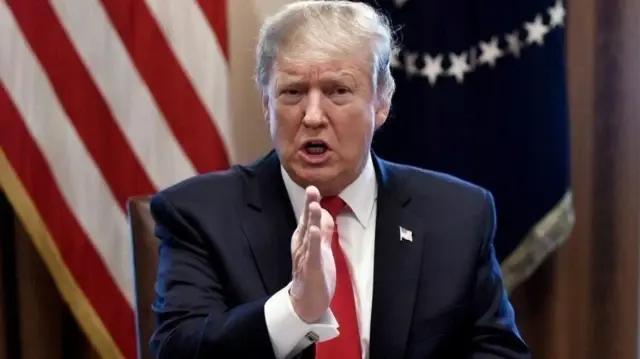
NPR and WGBH reported fighter jets were operating in "full synchronization and coordination" with U.S. forces. The Singju Post quoted President Trump saying the U.S. had "begun major combat operations against Iran."
Casualties and damage reports
The strikes and counterstrikes produced civilian harm and wide disruption across the region, though casualty figures were disputed and not independently verified. NBC News reported infrastructure damage in Bahrain and at least one civilian death in Abu Dhabi from falling debris.
International Business Times Australia noted Iran’s state media (IRNA) said an elementary school was hit and claimed at least five civilian deaths, though independent verification was not immediately available. NPR warned that casualty tallies and claims had inconsistent sourcing and that some reports were unverified.

Reactions to the strikes
Political and diplomatic fallout was immediate: U.S. leaders framed the strikes as defensive and urged Iranians to rise up. U.S. lawmakers and international bodies sought clarity and de-escalation. The Singju Post reported President Trump urged Iran’s security forces to surrender in exchange for 'complete immunity' and called on ordinary Iranians to rise up and overthrow their government once bombing stops.
“He urged Iran’s security forces to surrender in exchange for ‘complete immunity’ and called on ordinary Iranians to rise up and overthrow their government once bombing stops.”
NPR reported that Prime Minister Benjamin Netanyahu said the aim was to 'remove an existential threat'. VPM flagged domestic contention that the strikes were launched without formal congressional approval, creating deep divisions among U.S. lawmakers.

Conflicting reports on strikes
Significant uncertainty and conflicting claims remain, with state media, anonymous officials and national governments offering differing accounts of targets, casualties and leadership impacts. Outlook India reported that Reuters said Iran’s supreme leader, Ayatollah Ali Khamenei, had been moved to a secure location. Devdiscourse said strikes reportedly hit areas near Supreme Leader Ayatollah Ali Khamenei’s offices.
International Business Times Australia added that several casualty and target claims came from state or anonymous officials and were not independently verified at the time of reporting. Where the sources conflict or lack confirmation, the reporting remains ambiguous.