Iran-Israel08 March, 20263 min read
U.S. and Israel Reportedly Kill Supreme Leader Ayatollah Ali Khamenei
This article is an automated aggregation of coverage from news outlets. Our editorials offer in-depth analysis curated by the NewsCord team.
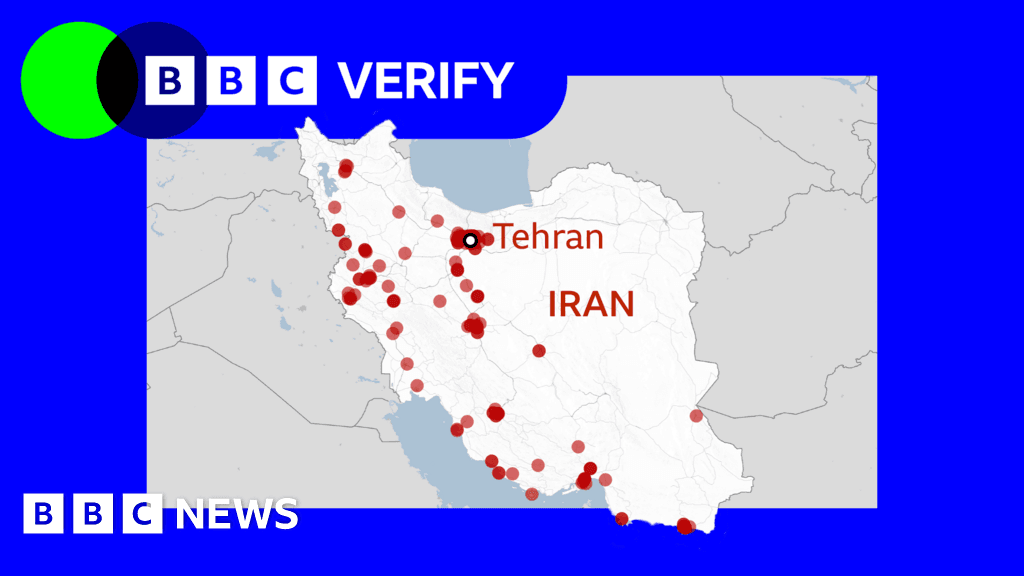
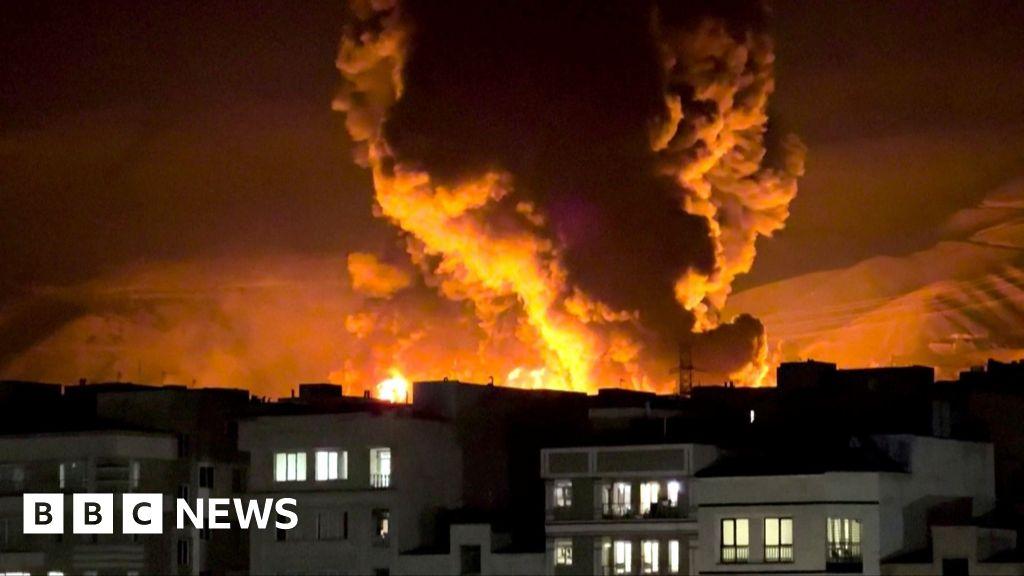
U.S. and Israeli strikes reportedly killed Supreme Leader Ayatollah Ali Khamenei Strikes hit Tehran fuel depots and oil storage, sparking massive fires and toxic black smoke

Reports on Khamenei's death
Multiple outlets reported that joint Israeli–U.S. strikes killed Iran’s Supreme Leader Ayatollah Ali Khamenei and sparked a sharp escalation across the region. West Asian reporting said 'joint Israeli–U.S. strikes on Iran have, it says, killed hundreds including Iran’s Supreme Leader' and noted immediate retaliatory strikes and wider attacks on U.S. interests and neighbouring states. Regional and international outlets similarly framed the strikes as the catalyst for a new phase of fighting, saying 'A second week of war began after reports that joint Israeli–US air strikes killed Iran’s Supreme Leader Ali Khamenei'.
“A second week of war began after reports that joint Israeli–US air strikes killed Iran’s Supreme Leader Ali Khamenei — an action President Trump reportedly called ‘doing the world a favour.’”
Local reporting described diasporic reactions to the reports of Khamenei’s death in cities such as Los Angeles. One outlet summarised that the news prompted relief and calls for regime change among Iranian‑Americans, saying Khamenei’s reported death 'prompted relief and hopes for regime change among Iranian‑Americans in the Los Angeles Tehrangeles community'.

Cross-border strikes and responses
Reporting across outlets documents rapid, cross-border retaliation and counter-strikes involving missiles, drones and heavy air strikes. Coverage noted that Iran launched drone and missile strikes on sites hosting U.S. and Israeli forces. Several Gulf states reported hits, with reports saying fuel tanks at Kuwait International Airport were hit and a desalination plant in Bahrain was damaged.
Saudi Arabia, the UAE, Qatar and Kuwait also reported attacks. Media reported that the U.S. and Israel responded with heavy air strikes on Iranian oil depots. Israeli forces said they struck IRGC fuel storage in Tehran and carried out strikes in Lebanon described as multiple waves.

Reported casualties and damage
Casualty and damage figures reported across outlets vary but indicate substantial loss of life and infrastructure harm. One widely cited tally put totals at "at least 1,230 dead in Iran, more than 290 in Lebanon, 11 in Israel, and six U.S. troops." Another piece cited Iran’s health ministry giving "at least 926 civilian deaths and about 6,000 injured."
“Attacks on facilities and in Gulf states have resulted in heavy casualties: at least 1,230 dead in Iran, more than 290 in Lebanon, 11 in Israel, and six U.S. troops.”
Independent reporting described strikes on oil depots and logistics sites in and around Tehran that "sent thick black smoke over the city" and caused fatalities and hazardous fumes. Other outlets noted specific civilian deaths from intercepted debris, saying that in the UAE "Debris from an aerial interception in the UAE struck a vehicle and killed the driver."
Political responses and succession
Political responses and succession questions dominated coverage alongside military developments.
Sources reported that Iran’s newly elected president apologized to neighboring countries for strikes on their soil.
Iran’s judiciary chief vowed attacks would continue.
Israeli leaders vowed to press the campaign, with one outlet quoting Prime Minister Benjamin Netanyahu saying Israel has 'a plan full of surprises,' is fighting with 'full force,' and has reshaped the Middle East since Oct. 7.
Reporting flagged succession dynamics in Tehran, noting Iran is reportedly close to naming Mojtaba Khamenei as successor to the late supreme leader.
Diaspora voices urged continued pressure until new leadership is in place.
Regional war and disruptions
Analysts and regional reporting highlighted the risk of a wider regional war and immediate economic consequences from disrupted shipping and energy infrastructure. Summaries emphasised that heavy airstrikes, missile and drone attacks between Israel, Iran and allied groups, plus U.S. force movements, have sharply raised the risk of a broader regional war. They noted disruptions to shipping and markets, saying violence across the Gulf has entered a second week and pushed oil to multi‑year highs by disrupting shipping and increasing tensions around the Strait of Hormuz.
“Heavy airstrikes, missile and drone attacks between Israel, Iran and allied groups — plus U.S. force movements — have sharply raised the risk of a broader regional war.”
Additional pieces reported U.S. discussions of ground options and moves to secure sensitive sites. Those reports observed that U.S. and Israeli officials have discussed deploying special forces to secure Iran’s highly enriched uranium stockpile and that the U.S. has spent large sums in the week since fighting began.