Iran · 14 March, 2026 · 5 min read
US and Israel strike Iran, Gulf rattled as Indian workers face uncertain futures
Hundreds of thousands stranded in Gulf region after US-Israel attacks on Iran and Iran's retaliation. Broad airspace closure over the Arabian Peninsula left travellers and business visitors stranded.
1 outlets told this the same way.
1outlets compared
Regional Travel Crisis
Hundreds of thousands of travelers from around the world are stranded in the region after the latest attacks carried out by the United States and Israel on Iran, and Iran's retaliation. The broad closure of airspace over the Arabian Peninsula has widely stranded tourists and business travelers in the region. Disruptions in maritime traffic in the Strait of Hormuz have also affected cruise ships that were still sailing in the Gulf.
“Hundreds of thousands of travelers from around the world are stranded in the region after the latest attacks carried out by the United States and Israel on Iran, and Iran's retaliation.”
These disruptions and others are causing losses of about $600 million per day, according to what the American Financial Times published, based on estimates by the World Travel & Tourism Council. "The current crisis is a major shock to the countries affected in the region," says هانس هوبفينغر, professor of cultural geography at the Catholic University of Ingolstadt in Germany, who had conducted research on the development of tourism in the Middle East and North Africa. He says today that Dubai and other emirates have never seen terrorist attacks like those that occurred at tourism hubs, which toppled the image that had solidified in recent years as safe tourist havens.
"One of the fastest-growing regions in the world" The Middle East has been one of the fastest-growing tourist regions in the world, according to the United Nations World Tourism Organization. Last year the number of international travelers to the region, including Egypt, Jordan, Qatar, and Saudi Arabia, reached nearly 100 million for the first time. This represents a 39 percent increase compared with the period before the COVID-19 pandemic.
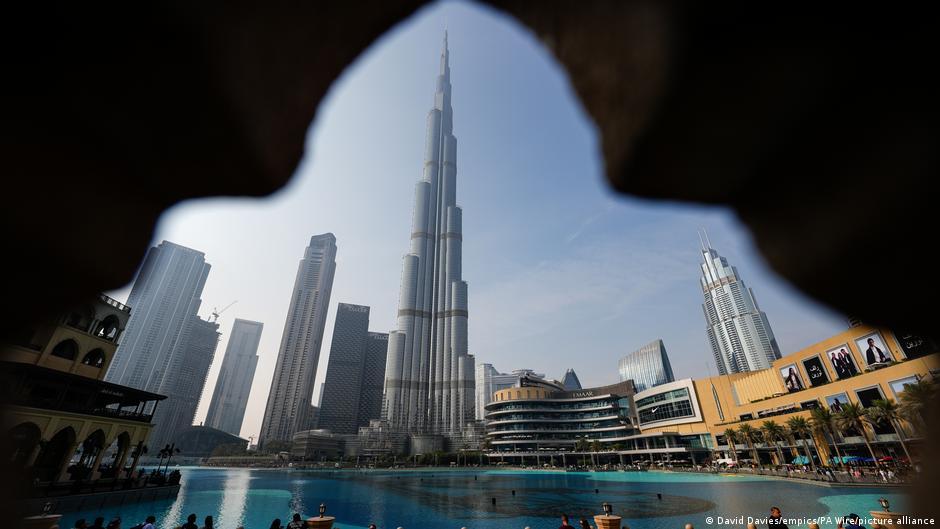
A growth rate not seen by any other region in the world since then. Dubai International Airport, which has developed in recent years into a global hub, illustrates the scale of the travel industry, especially in the Gulf states. According to its own data, the airport welcomed more than 95 million international travelers in 2025, a figure never before seen and not recorded by any other airport in the world.
At the same time, the emirate recorded a new record in visitor numbers, reaching nearly 20 million tourists for the third year in a row. This success is primarily due to farsighted planning, according to هانس هوبفينغر: "It was recognized that moving away from reliance on oil and gas is a strategic element of economic excellence."
In this way Dubai was the first emirate to set an overarching plan early to promote shopping tourism, golf championships, and other major sporting events, as well as cultural tourism. And currently other Gulf states have reconsidered their policies.
Indian Worker Crisis
The Gulf region is experiencing unprecedented economic and social turmoil following the coordinated military strikes by the United States and Israel against Iran, which prompted immediate retaliatory actions from Iranian forces. The conflict has severely disrupted global supply chains and air travel routes, creating widespread chaos for international workers and businesses operating in the region. Indian workers, who constitute one of the largest expatriate communities in the Gulf states, are facing particularly precarious situations as companies scale back operations and governments implement emergency measures.
The Indian government has issued travel advisories warning citizens about the deteriorating security situation, while Indian embassies are working to provide assistance to thousands of nationals who wish to return home or are seeking emergency support. This crisis comes at a time when many Indian workers were already facing economic pressures due to inflation and currency fluctuations in their home country.
Economic Devastation
The economic fallout from the US-Israel strikes on Iran has been particularly devastating for Gulf economies that had been diversifying away from oil dependency in recent years. Countries like the United Arab Emirates, Qatar, and Saudi Arabia had invested heavily in tourism, real estate, and financial services to reduce their reliance on petroleum revenues, but these sectors are now facing catastrophic losses. The closure of major air corridors has crippled the aviation industry, while maritime disruptions in the Strait of Hormuz threaten global energy supplies and shipping routes.
“Dubai International Airport, which has developed in recent years into a global hub, illustrates the scale of the travel industry, especially in the Gulf states.”
Regional stock markets have experienced significant volatility, and currency values have fluctuated dramatically as investors flee to safer assets. Economic analysts warn that the region could face a prolonged recession unless the geopolitical tensions de-escalate quickly and normal air and sea traffic can be restored.
Global Response
The international community has expressed growing concern over the escalating tensions in the Middle East, with diplomatic efforts intensifying to prevent further military escalation. The United Nations has called for an emergency session of the Security Council to address the crisis, while regional powers including China, Russia, and European nations are urging restraint and dialogue. Humanitarian organizations are preparing for potential mass displacement as the conflict threatens to destabilize the entire region.
The World Health Organization has issued warnings about potential shortages of medical supplies and medications due to disrupted supply chains, particularly affecting vulnerable populations in conflict zones and neighboring countries. Meanwhile, energy markets remain on high alert as analysts predict that prolonged disruptions in the Strait of Hormuz could lead to global oil price spikes and supply shortages.
Long-term Implications
The long-term implications of the current crisis extend beyond immediate economic disruptions, potentially reshaping the geopolitical landscape of the Middle East for years to come. The US-Israel coordinated strike against Iran represents a significant escalation in regional tensions that could alter existing alliances and power dynamics. Gulf states that had been attempting to balance relationships between Western powers and regional actors now face difficult strategic choices about their future positioning.
“At the same time, the emirate recorded a new record in visitor numbers, reaching nearly 20 million tourists for the third year in a row.”
The tourism industry, which had been positioned as a cornerstone of economic diversification, may take years to recover from the damage to the region's reputation as a safe destination. Economic analysts suggest that Gulf countries may need to accelerate their diversification strategies and explore new markets and partnerships to mitigate the long-term economic consequences of this geopolitical crisis.