U.S. and Israeli Attacks Cripple Iran's Economy, Trigger Massive Inflation and Job Losses
Key Takeaways
- Iran's economy worsens under U.S.-Israel attacks and sanctions, triggering record inflation and currency collapse.
- War damage to infrastructure and internet outages deepen shortages, unemployment, and social disruption.
- Blockades and sanctions threaten energy exports and provoke global market volatility.
Economic Collapse
Iran's economy teeters on the brink of collapse after destruction of strategic infrastructure and a six-week internet blackout.
“Oil, Currency, Inflation; How Did Iran's Economy Reach a Dead End”
Year-on-year inflation surged from 39% to nearly 72%, while food prices skyrocketed from 43% to 125%.

Fundamental sectors including oil, gas, petrochemicals, and steel suffered severe damage from U.S. and Israeli bombings.
The attack on Mobarakeh and Khuzestan steel mills threatened 30,000 direct and indirect jobs.
Damage to petrochemical plants disrupted about 85% of the country's petrochemical capacity.
The Pars Sur natural gas field was bombed, threatening 80% of Iran's electricity generation.
Traditional routes to evade sanctions are closing, and only 1% of Iranians have access to high-speed internet.
Cryptocurrency Lifeline
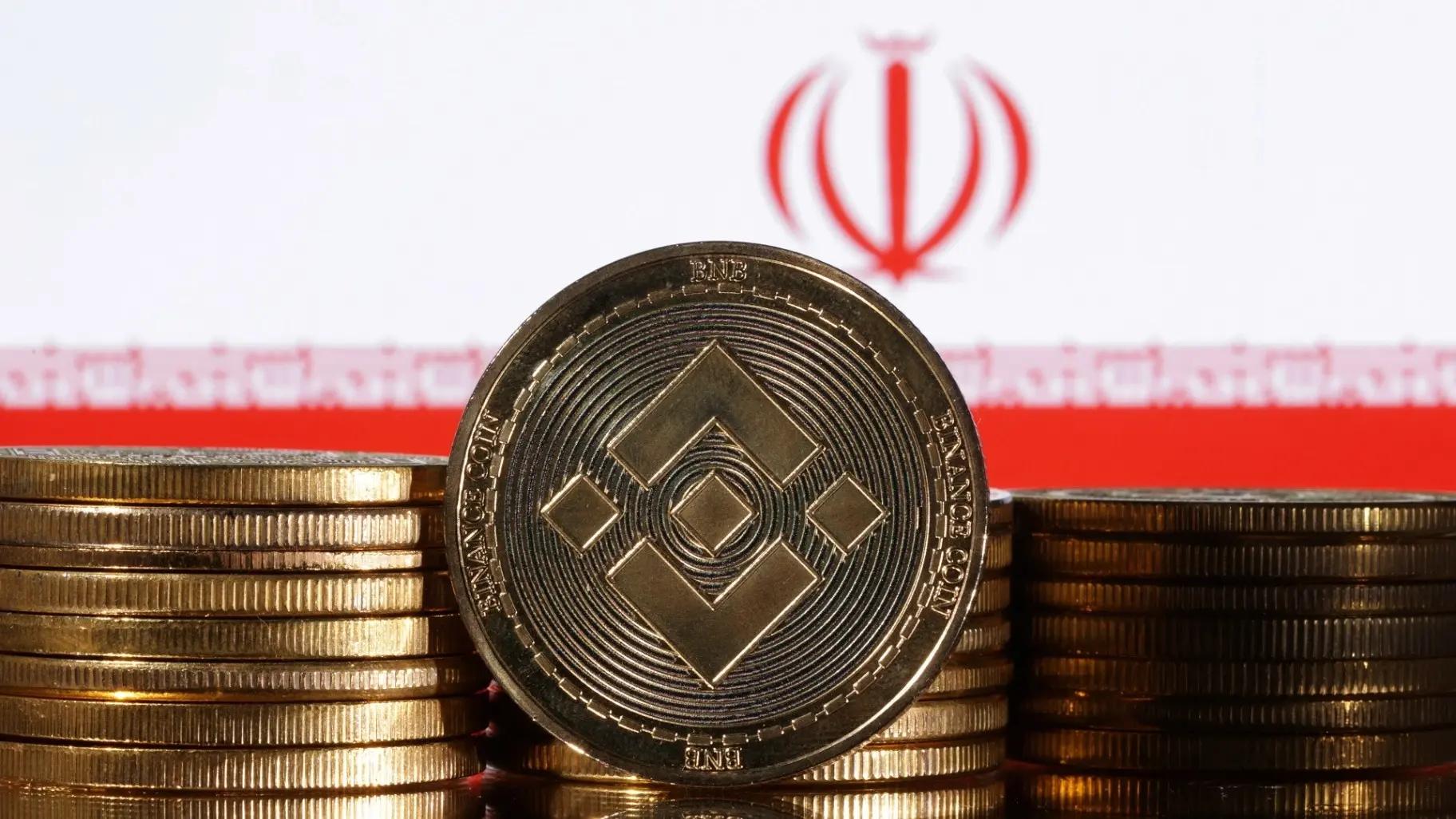
Iran increasingly turned to cryptocurrencies as a parallel financial system.
Approximately 14 million Iranians use Bitcoin, representing 2.2% of Iran's GDP.
Nobitex saw a 700% surge in outflows within minutes of the strikes.
Addresses tied to the IRGC accounted for more than 50% of total flows in the last quarter.
Cryptocurrencies function as an informal central bank.
Bitcoin's decentralized network and high liquidity make it the most suitable digital currency under sanctions.
Iran has invested in Bitcoin mining to leverage its energy resources.
Sanctions and Oil Exports
Iran's oil exports have been severely constrained by sanctions.
“My city used to be very beautiful, but they did something to turn it into a soulless place”
Iran's oil exports at times reached around 1.7 million barrels per day, with China as the primary destination.
The rial has lost about 80% of its value since 2018.
Inflation has exceeded 40% in several periods.
The isolated banking system magnifies transaction costs.
The UN Security Council is set to vote on a resolution to protect navigation in the Strait of Hormuz.
Human Impact
More than 80% of households earn less than the global poverty line.
Almost one in five Iranian youths is unemployed.

Prices have shot up around 40% since the war began.
The central bank issued its largest-ever currency denomination.
Citizens face rising psychological and economic pressures without direct combat.
Power outages and supply chain disruptions have turned daily life into a fight for survival.
More on Iran
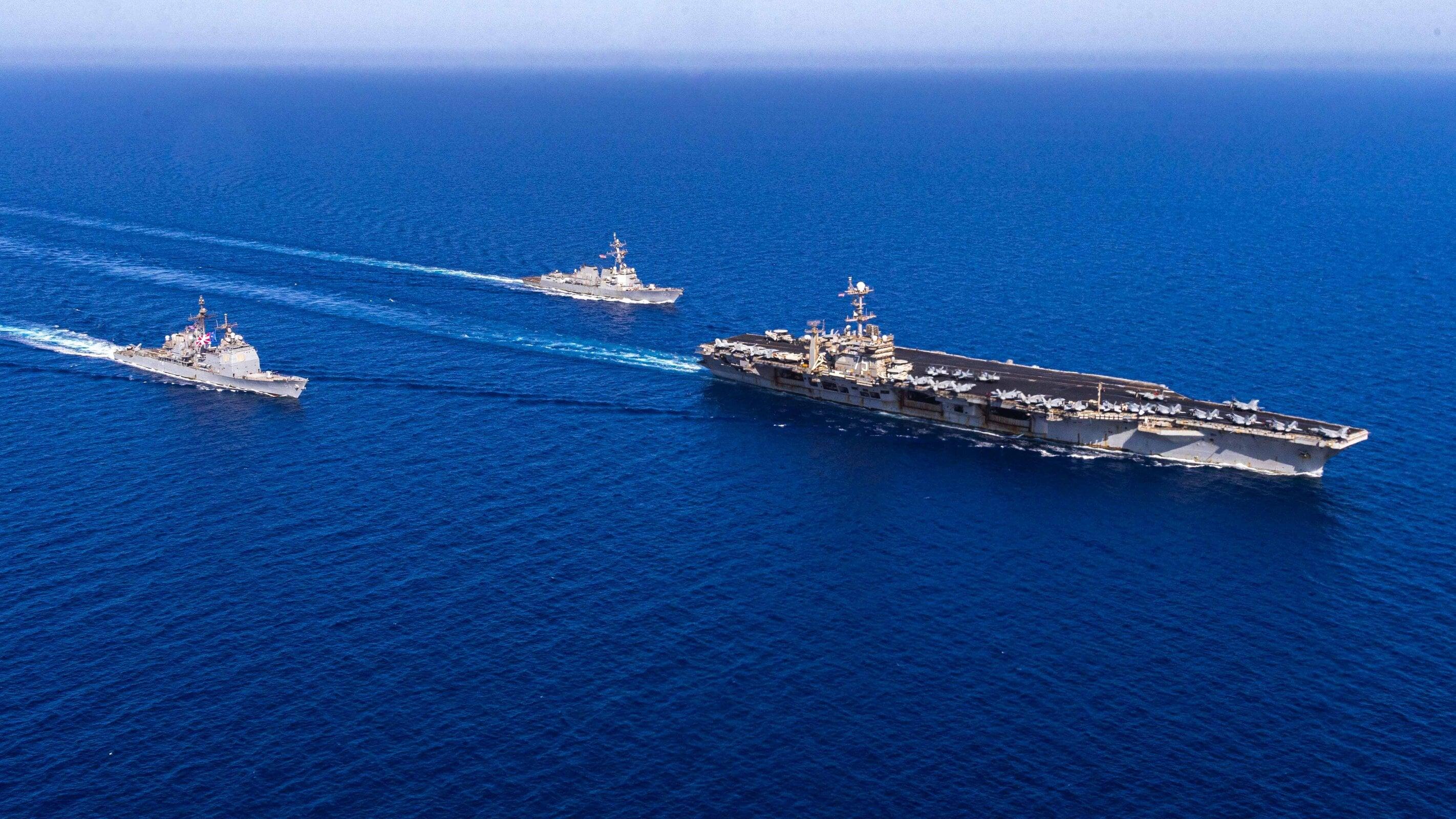
US Imposes Naval Blockade on Iranian Ports After Pakistan Peace Talks Collapse
49 sources compared
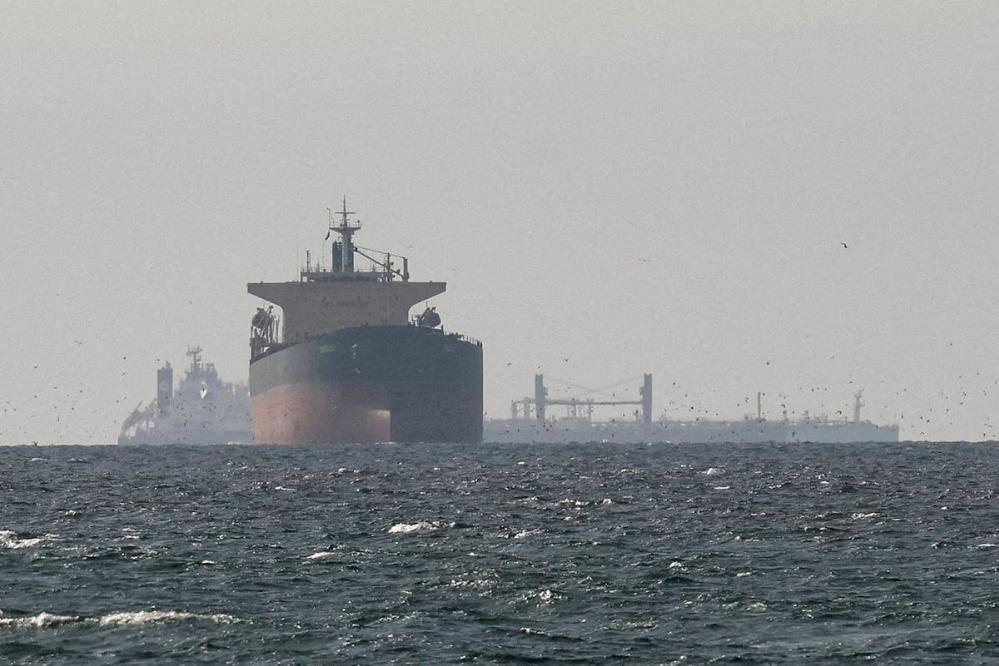
US Imposes Naval Blockade on Iranian Ports, Threatens to Destroy Warships
20 sources compared

Trump Orders U.S. Navy Blockade of Iran’s Strait of Hormuz Escalating Tensions
16 sources compared

Trump Threatens Cuba After Finishing War Against Iran
17 sources compared